Fungi — 1,980 Species
Top Families in Fungi
All Fungi Species
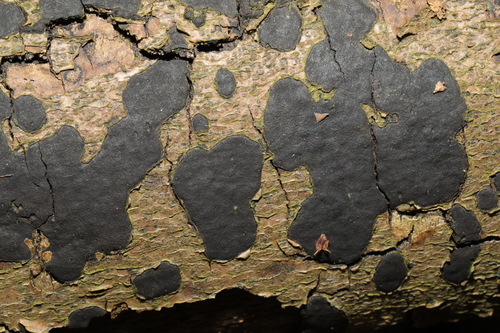
Biscogniauxia nummularia (Bull.) Kuntze
Biscogniauxia nummularia (Bull.) Kuntze
Biscogniauxia nummularia is an inedible beech-specific pathogen found across Europe and Russia.
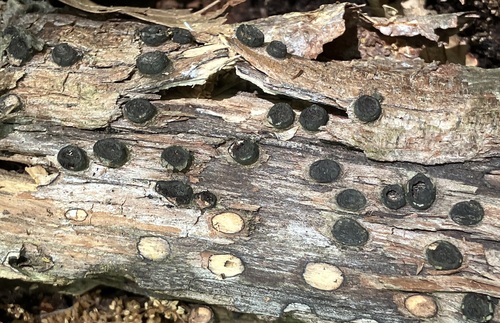
Biscogniauxia marginata (Fr.) Pouzar
Biscogniauxia marginata (Fr.) Pouzar
Biscogniauxia marginata is a plant pathogenic fungus species in Graphostromataceae, renamed in 1979 by Zdeněk Pouzar.
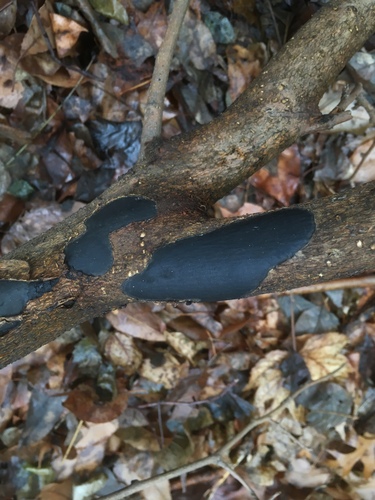
Camillea tinctor (Berk.) Laessøe, J.D.Rogers & Whalley
Camillea tinctor (Berk.) Laessøe, J.D.Rogers & Whalley
Camillea tinctor is a pathogenic and saprophytic fungus in Graphostromataceae that infects weakened trees and causes cankers.
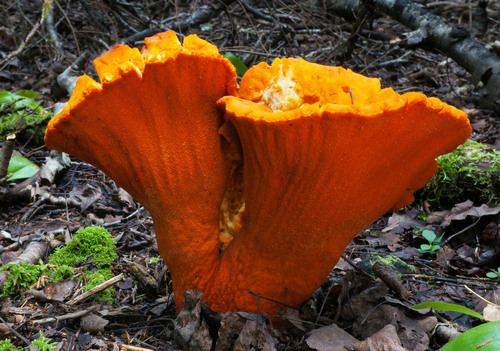
Hypomyces lactifluorum (Schwein.) Tul. & C.Tul.
Hypomyces lactifluorum (Schwein.) Tul. & C.Tul.
Hypomyces lactifluorum, the lobster mushroom, is a parasitic fungus that grows on host mushrooms and is a popular edible.
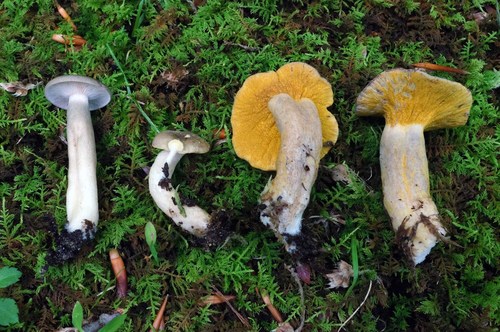
Hypomyces luteovirens (Fr.) Tul. & C.Tul.
Hypomyces luteovirens (Fr.) Tul. & C.Tul.
Hypomyces luteovirens is a parasitic fungus that grows as a colored crust on gilled Russula and Lactarius mushrooms.
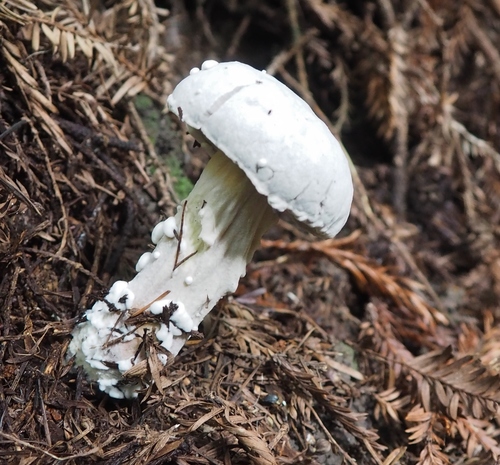
Hypomyces chrysospermus Tul. & C.Tul.
Hypomyces chrysospermus Tul. & C.Tul.
Hypomyces chrysospermus, the bolete eater, is a parasitic ascomycete that infects boletes, used in traditional Chinese medicine for bleeding control.
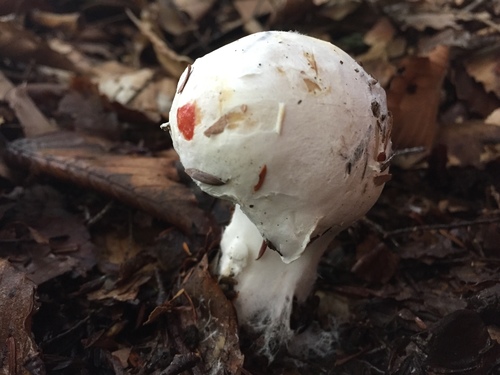
Hypomyces hyalinus (Schwein.) Tul. & C.Tul.
Hypomyces hyalinus (Schwein.) Tul. & C.Tul.
Hypomyces hyalinus is a parasitic ascomycete fungus that infects Amanita fungi, with a broad recorded geographic distribution.
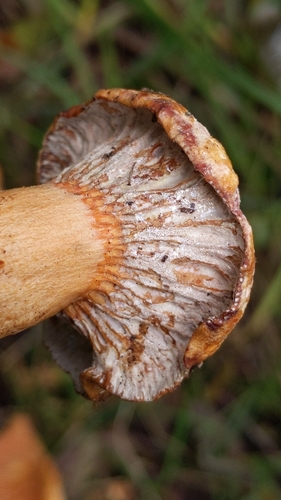
Hypomyces lateritius (Fr.) Tul. & C.Tul.
Hypomyces lateritius (Fr.) Tul. & C.Tul.
Hypomyces lateritius, the ochre gillgobbler, is a parasitic ascomycete that infects various Lactarius mushrooms worldwide.
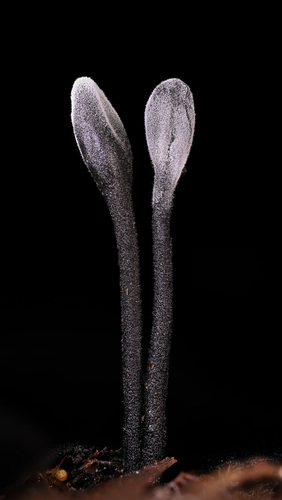
Hypomyces papulasporae Rogerson & Samuels
Hypomyces papulasporae Rogerson & Samuels
Hypomyces papulasporae is a parasitic Hypocreales ascomycete new to science in 1985, found growing on black earth tongues in New Zealand.
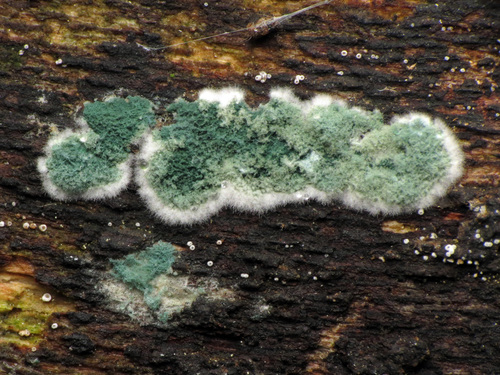
Trichoderma viride Pers.
Trichoderma viride Pers.
Trichoderma viride is a naturally occurring fungus used as a biofungicide for biological control of plant pathogenic fungi.
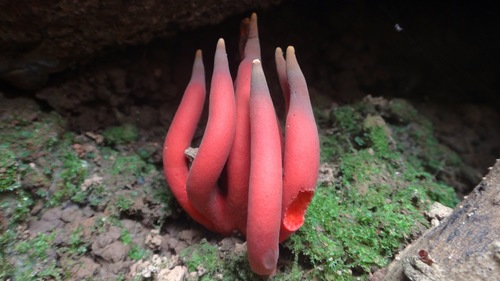
Trichoderma cornu-damae (Pat.) Z.X.Zhu & W.Y.Zhuang
Trichoderma cornu-damae (Pat.) Z.X.Zhu & W.Y.Zhuang
Trichoderma cornu-damae is a toxic fungus found across East Asia and Oceania that has caused fatal human poisonings in Japan.
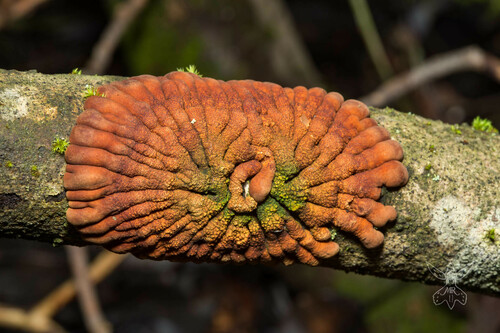
Hypocreopsis lichenoides (Tode) Seaver
Hypocreopsis lichenoides (Tode) Seaver
Hypocreopsis lichenoides is a parasitic fungus found across several continents, with recent conservation work in Great Britain.
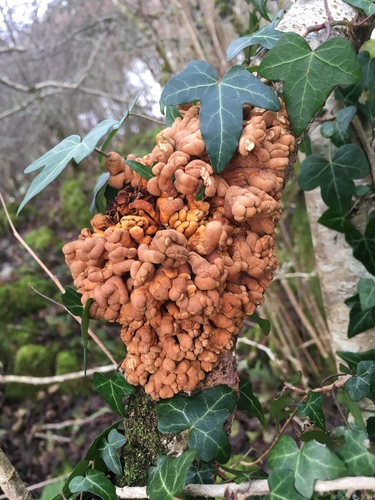
Hypocreopsis rhododendri Thaxt.
Hypocreopsis rhododendri Thaxt.
Hypocreopsis rhododendri, commonly called hazel gloves, is an ascomycete fungus found in western Europe and eastern North America.
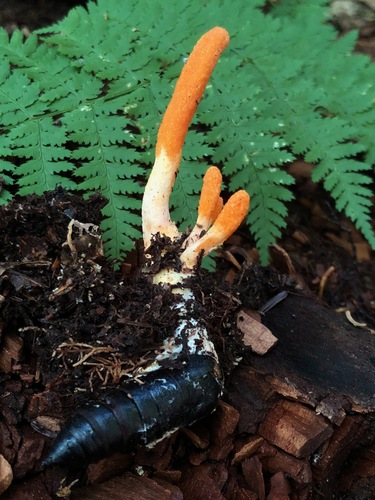
Cordyceps militaris (L.) Fr.
Cordyceps militaris (L.) Fr.
Cordyceps militaris is a common Northern Hemisphere fungus grown commercially for food and dietary supplements, with unproven health benefits.
Cordycipitaceae
Cordycipitaceae
Cordycipitaceae is a fungal family defined by specific structural features of its fruiting bodies, asci and ascospores.
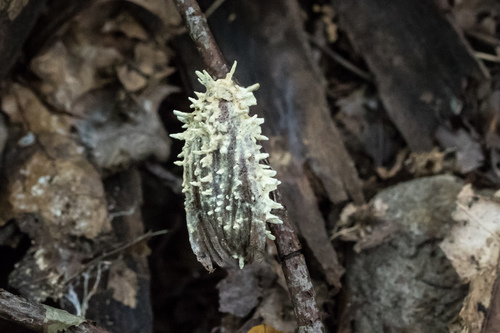
Akanthomyces aculeatus Lebert
Akanthomyces aculeatus Lebert
Akanthomyces aculeatus is a fungus in the Cordycipitaceae family native to Europe and America.
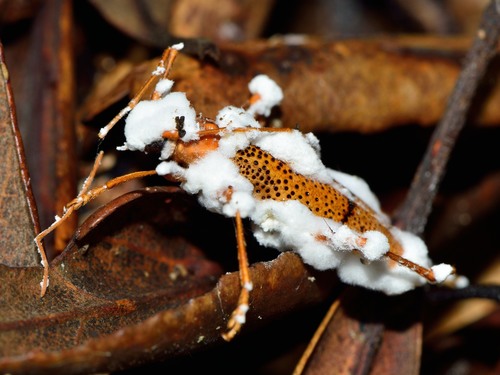
Beauveria bassiana (Bals.-Criv.) Vuill.
Beauveria bassiana (Bals.-Criv.) Vuill.
Beauveria bassiana is an insect-pathogenic fungus widely used as a broad-spectrum biological insecticide.
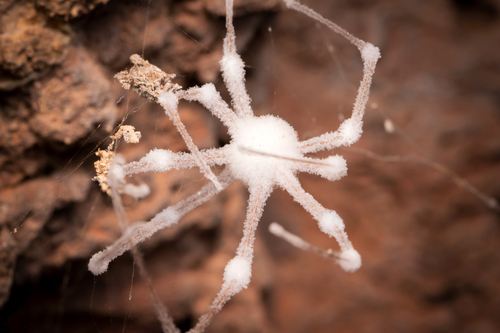
Lecanicillium tenuipes (Petch) Zare & W.Gams
Lecanicillium tenuipes (Petch) Zare & W.Gams
Engyodontium aranearum is an ascomycete fungus in Cordycipitaceae that parasitizes long-bodied cellar spiders, causing 100% mortality in infected individuals.
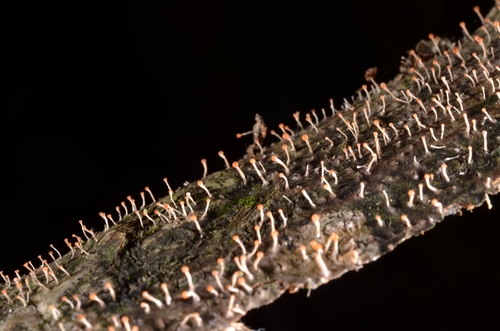
Nectria pseudotrichia Berk. & M.A.Curtis
Nectria pseudotrichia Berk. & M.A.Curtis
Nectria pseudotrichia is an ascomycete plant pathogen with orange fruiting bodies just visible to the naked eye.
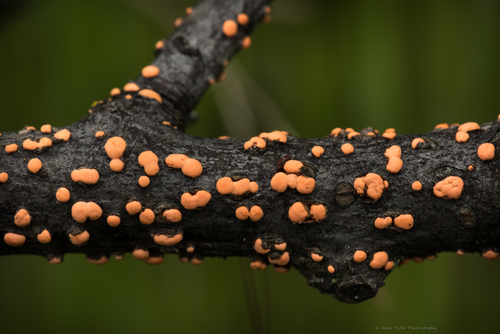
Nectria cinnabarina (Tode) Fr.
Nectria cinnabarina (Tode) Fr.
Nectria cinnabarina, or coral spot, is a mostly saprophytic weak plant pathogen that causes cankers on Northern Hemisphere broadleaf trees.
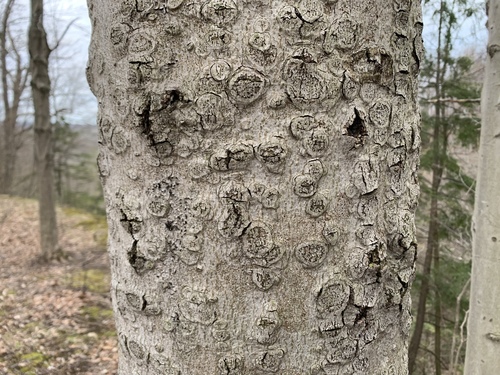
Neonectria faginata (M.L.Lohman, A.M.J.Watson & Ayers) Castl. & Rossman
Neonectria faginata (M.L.Lohman, A.M.J.Watson & Ayers) Castl. & Rossman
Neonectria faginata is a North American fungus that contributes to beech bark disease in beech trees infested by beech scale.
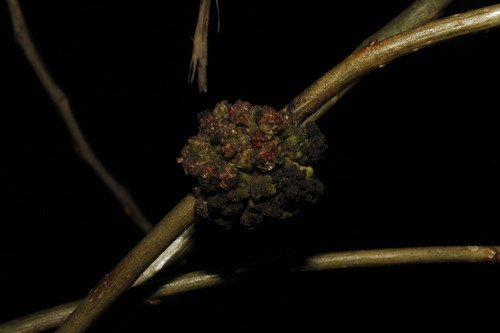
Neonectria ditissima (Tul. & C.Tul.) Samuels & Rossman
Neonectria ditissima (Tul. & C.Tul.) Samuels & Rossman
Neonectria ditissima is a fungal plant pathogen that causes cankers on many hardwood trees, likely originating in America.
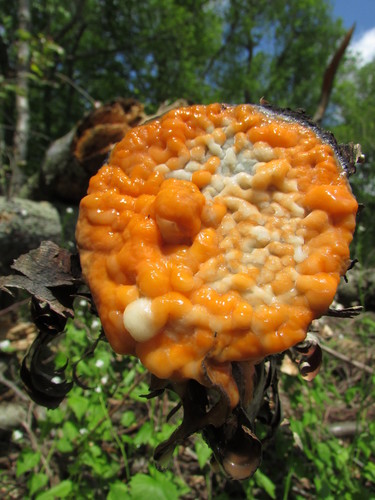
Fusicolla merismoides (Corda) Gräfenhan, Seifert & Schroers
Fusicolla merismoides (Corda) Gräfenhan, Seifert & Schroers
Fusicolla merismoides is a cosmopolitan ascomycete fungus, also associated with the plant condition slime flux.
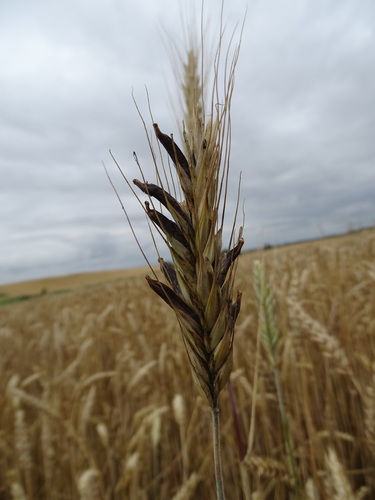
Claviceps purpurea (Fr.) Tul.
Claviceps purpurea (Fr.) Tul.
Claviceps purpurea is an ergot fungus that causes ergotism in humans and mammals who eat contaminated grain.
Start Exploring Nature Today
Download iNature for free. 10 identifications on us. No account needed. No credit card required.
Download Free on App Store
