Fungi — 1,980 Species
Top Families in Fungi
All Fungi Species
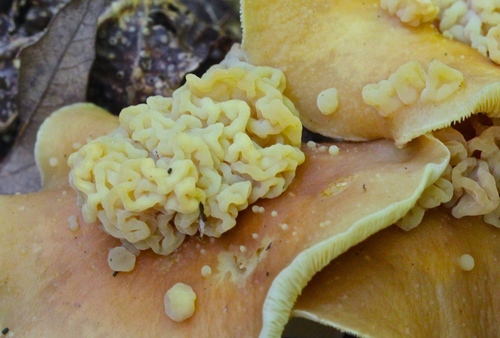
Syzygospora mycetophila (Peck) Ginns
Syzygospora mycetophila (Peck) Ginns
This is a widespread parasitic fungus of the class Tremellomycetes that infects Gymnopus dryophilus fruit bodies.
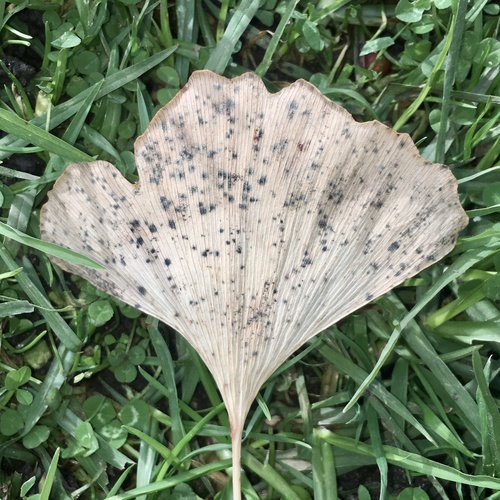
Bartheletia paradoxa G.Arnaud ex Scheuer, R.Bauer, M.Lutz, Stabenth., Melnik & Grube
Bartheletia paradoxa G.Arnaud ex Scheuer, R.Bauer, M.Lutz, Stabenth., Melnik & Grube
Bartheletia paradoxa is a unique dimorphic fungus living fossil that grows on Ginkgo biloba leaves.
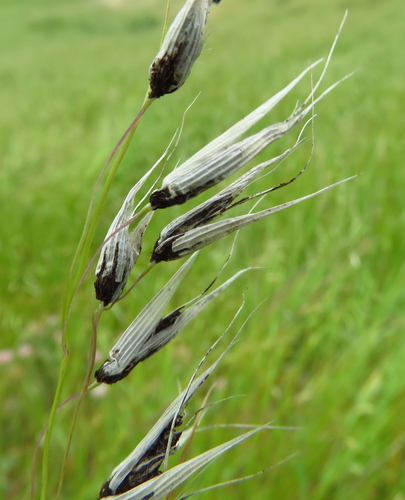
Ustilago avenae (Pers.) Rostr.
Ustilago avenae (Pers.) Rostr.
Ustilago avenae is a plant pathogen that causes the common, economically unmanaged oat disease semiloose smut.
Basidiomycota
Basidiomycota
Basidiomycota is a large division of higher fungi that includes many mushrooms, yeasts, and pathogens with a characteristic dikaryotic life cycle.
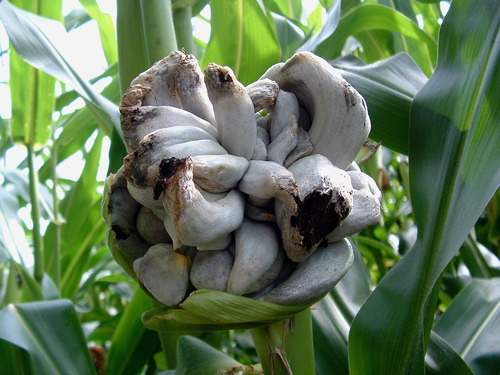
Mycosarcoma maydis (DC.) Bref.
Mycosarcoma maydis (DC.) Bref.
Mycosarcoma maydis is the fungus that causes corn smut, edible as huitlacoche, a Mexican delicacy.
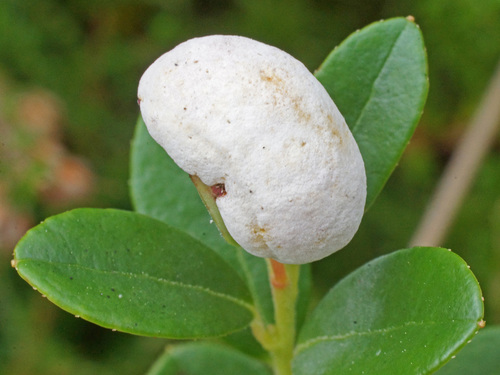
Exobasidium vaccinii (Fuckel) Woronin
Exobasidium vaccinii (Fuckel) Woronin
Exobasidium vaccinii is a pathogenic Northern Hemisphere fungus that infects ericaceous hosts, causing characteristic galls and tissue discoloration.
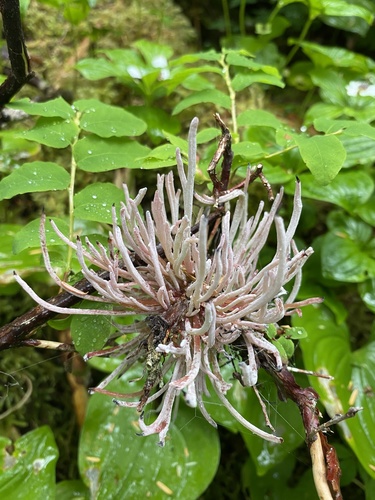
Exobasidium parvifolii Hotson
Exobasidium parvifolii Hotson
Exobasidium parvifolii is a basidiomycete fungus that infects Vaccinium hosts along the northeastern Pacific coast.
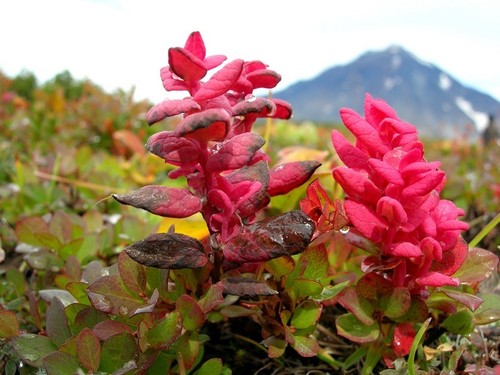
Exobasidium vaccinii-uliginosi Boud.
Exobasidium vaccinii-uliginosi Boud.
Exobasidium vaccinii-uliginosi Boud. is a pathogenic fungus species in the Exobasidiaceae family.
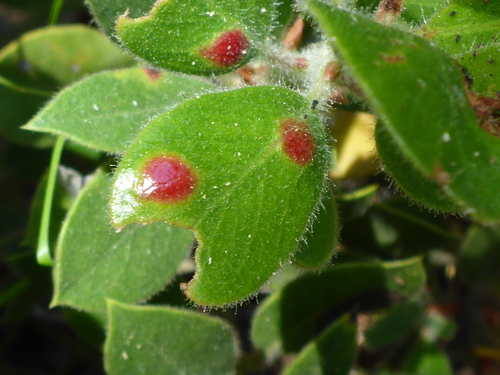
Exobasidium arctostaphyli Harkn.
Exobasidium arctostaphyli Harkn.
Exobasidium arctostaphyli Harkn. is a parasitic fungus that infects manzanita trees, causing witch's broom galls and leaf spots.
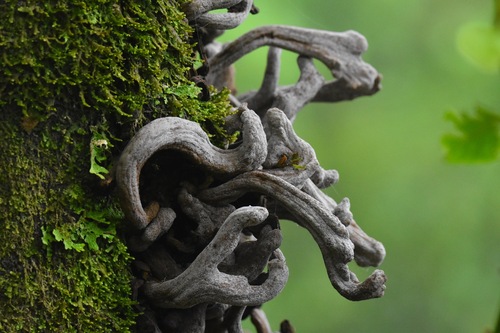
Laurobasidium lauri (Geyl.) Jülich
Laurobasidium lauri (Geyl.) Jülich
Laurobasidium is a two-species Exobasidiaceae fungi genus, with each species growing exclusively on a specific host plant in separate ranges.
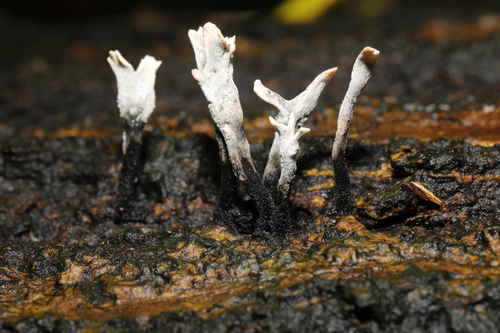
Xylaria hypoxylon (L.) Grev.
Xylaria hypoxylon (L.) Grev.
Xylaria hypoxylon is a fungus that grows on decaying hardwood, with antler-shaped fruit bodies, and can cause root rot in hawthorn and gooseberry.
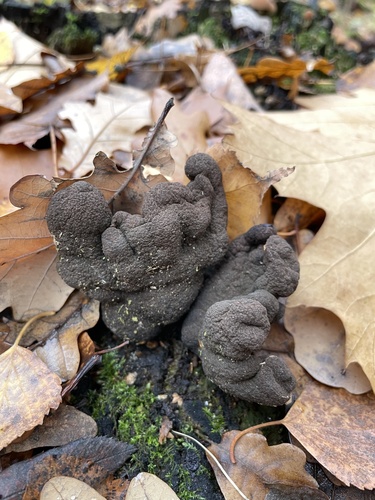
Xylaria polymorpha (Pers.) Grev.
Xylaria polymorpha (Pers.) Grev.
Xylaria polymorpha is an inedible ascomycete fungus that grows on decaying wood across all six inhabited continents.
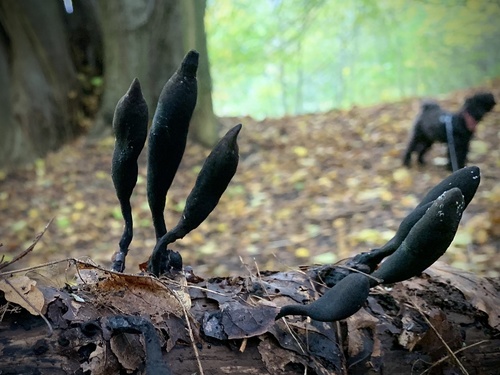
Xylaria longipes Nitschke
Xylaria longipes Nitschke
Xylaria longipes is an inedible saprotrophic fungus found across Europe, Asia, and North America that grows on dead hardwood.
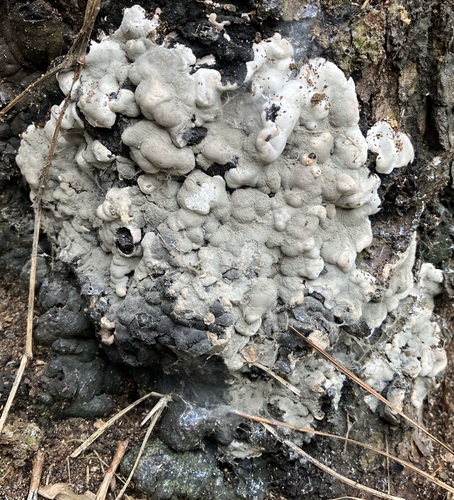
Kretzschmaria deusta (Hoffm.) P.M.D.Martin
Kretzschmaria deusta (Hoffm.) P.M.D.Martin
Kretzschmaria deusta is a fungus that causes rot in hardwood trees, is not edible, and changes appearance as it ages.
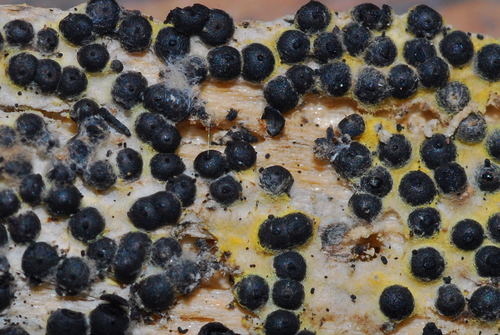
Rosellinia subiculata (Schwein.) Sacc., 1882
Rosellinia subiculata (Schwein.) Sacc., 1882
Rosellinia subiculata is an Ascomycota fungal pathogen of citrus identifiable by its growth pattern, singular ostiole, and yellow subiculum.
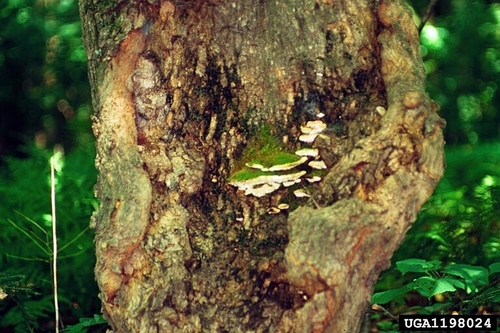
Eutypella parasitica R.W.Davidson & R.C.Lorenz
Eutypella parasitica R.W.Davidson & R.C.Lorenz
Eutypella parasitica is a fungal pathogen that causes Eutypella canker disease in maple trees, with negative economic effects on lumber.
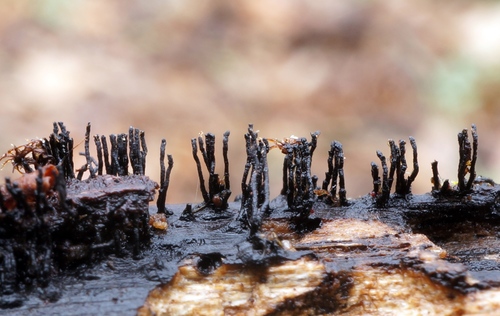
Peroneutypa scoparia (Schwein.) Carmarán & A.I.Romero
Peroneutypa scoparia (Schwein.) Carmarán & A.I.Romero
Peroneutypa scoparia is a small carbonaceous pyrenomycete that grows as thin upright projections on dead wood, with characteristic grooved tips.
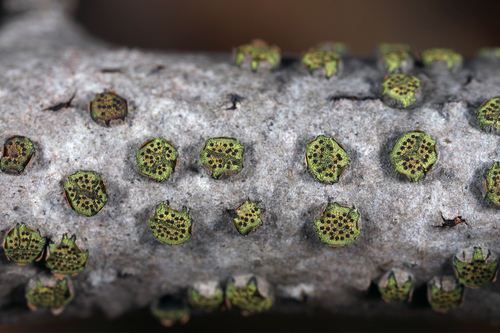
Diatrype virescens (Schwein.) Cooke
Diatrype virescens (Schwein.) Cooke
Diatrype virescens is a fungus found only on American beech in North America with distinct yellowish-green fruiting bodies.
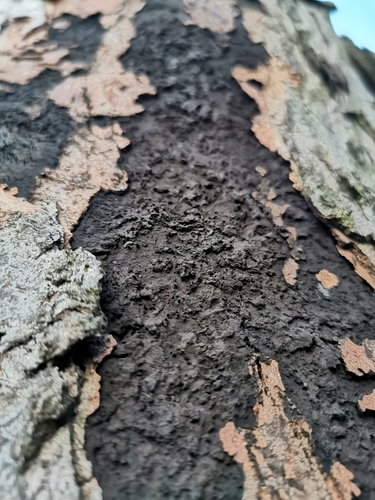
Cryptostroma corticale (Ellis & Everh.) P.H.Greg. & S.Waller
Cryptostroma corticale (Ellis & Everh.) P.H.Greg. & S.Waller
Cryptostroma corticale is a fungus that causes maple sooty bark disease and produces allergenic spores harmful to humans.
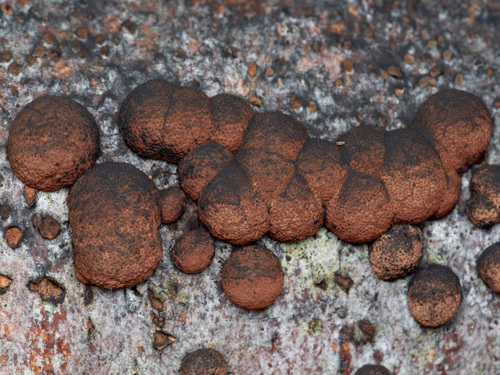
Hypoxylon fragiforme (Pers.) J.Kickx f.
Hypoxylon fragiforme (Pers.) J.Kickx f.
Hypoxylon fragiforme is a wood-dwelling saprobe, most common on beech, with characteristic hard black flesh and color-changing traits.
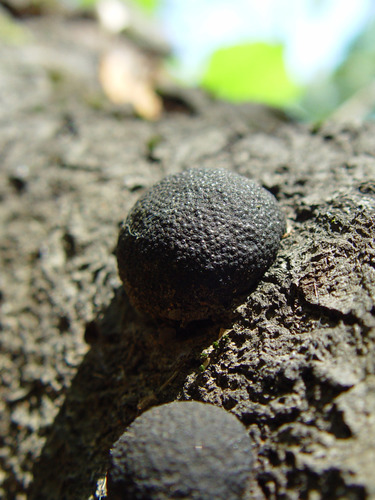
Annulohypoxylon thouarsianum (Lév.) Y.M.Ju, J.D.Rogers & H.M.Hsieh
Annulohypoxylon thouarsianum (Lév.) Y.M.Ju, J.D.Rogers & H.M.Hsieh
Annulohypoxylon thouarsianum is a fungus that grows on decaying hardwood bark, found mainly in parts of the US and Mexico.
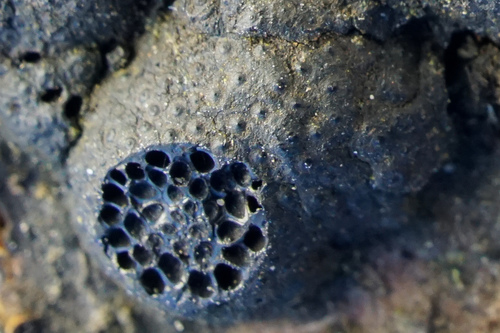
Annulohypoxylon annulatum (Schwein.) Y.M.Ju, J.D.Rogers & H.M.Hsieh
Annulohypoxylon annulatum (Schwein.) Y.M.Ju, J.D.Rogers & H.M.Hsieh
Annulohypoxylon annulatum is a carbonaceous pyrenomycete fungus that typically grows on oak, with distinguishing flat rings around its spore-releasing ostioles.
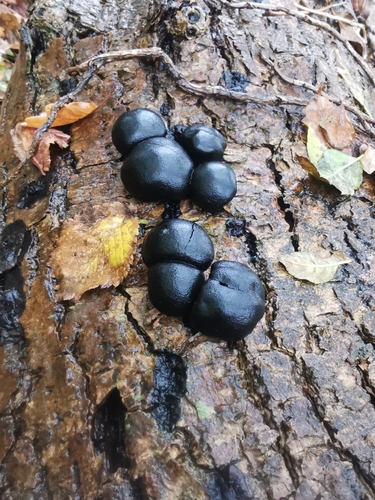
Daldinia concentrica (Bolton) Ces. & De Not.
Daldinia concentrica (Bolton) Ces. & De Not.
Daldinia concentrica is an inedible widespread saprotrophic fungus that grows on dead wood and can be used as tinder for starting fires.
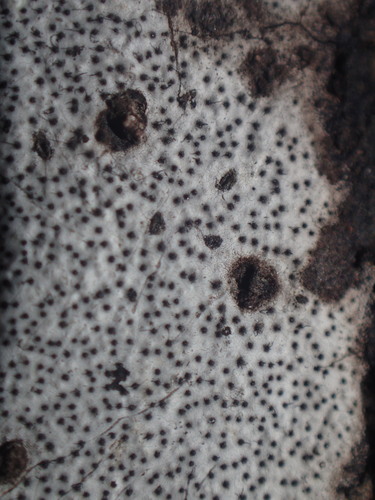
Biscogniauxia atropunctata (Schwein.) Pouzar
Biscogniauxia atropunctata (Schwein.) Pouzar
Biscogniauxia atropunctata is a North American fungus that can cause tree dieback in stressed hardwoods.
Start Exploring Nature Today
Download iNature for free. 10 identifications on us. No account needed. No credit card required.
Download Free on App Store
