Fungi — 1,980 Species
Top Families in Fungi
All Fungi Species
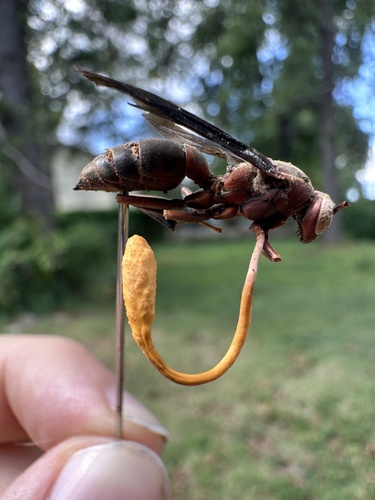
Ophiocordyceps sphecocephala (Klotzsch ex Berk.) G.H.Sung, J.M.Sung, Hywel-Jones & Spatafora
Ophiocordyceps sphecocephala (Klotzsch ex Berk.) G.H.Sung, J.M.Sung, Hywel-Jones & Spatafora
Ophiocordyceps sphecocephala is an insect-pathogenic wasp-infecting fungus with potential anti-asthmatic and anti-cancer properties.
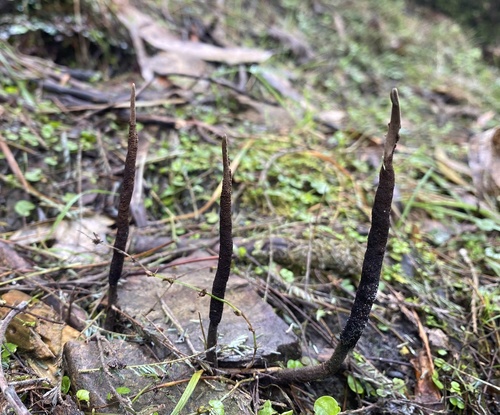
Ophiocordyceps robertsii (Hook.) G.H.Sung, J.M.Sung, Hywel-Jones & Spatafora
Ophiocordyceps robertsii (Hook.) G.H.Sung, J.M.Sung, Hywel-Jones & Spatafora
Ophiocordyceps robertsii, vegetable caterpillar, is an entomopathogenic New Zealand fungus with traditional Māori uses.
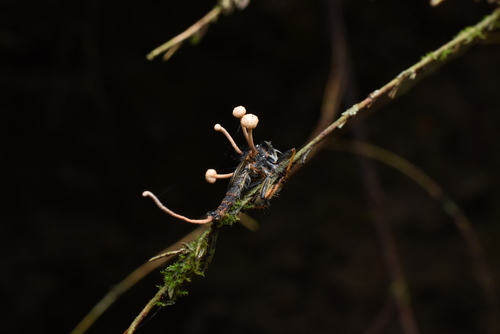
Ophiocordyceps dipterigena (Berk. & Broome) G.H.Sung, J.M.Sung, Hywel-Jones & Spatafora
Ophiocordyceps dipterigena (Berk. & Broome) G.H.Sung, J.M.Sung, Hywel-Jones & Spatafora
Ophiocordyceps dipterigena is an entomopathogenic fungus that may be used for biological control of Agromyzid flies.
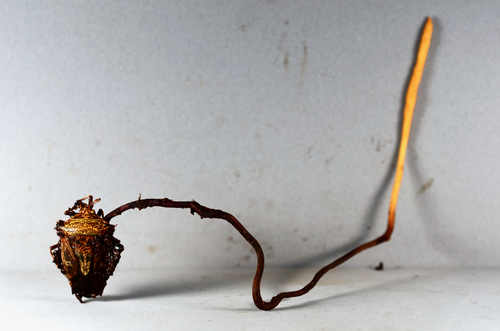
Ophiocordyceps nutans (Pat.) G.H.Sung, J.M.Sung, Hywel-Jones & Spatafora
Ophiocordyceps nutans (Pat.) G.H.Sung, J.M.Sung, Hywel-Jones & Spatafora
Ophiocordyceps nutans is an entomopathogenic fungus that parasitizes stinkbugs and has a potential biocontrol anamorph.
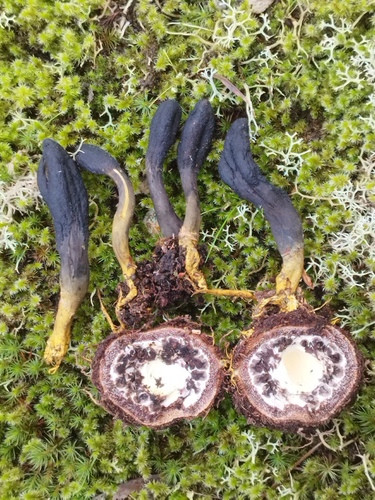
Tolypocladium ophioglossoides (J.F.Gmel.) C.A.Quandt, Kepler & Spatafora
Tolypocladium ophioglossoides (J.F.Gmel.) C.A.Quandt, Kepler & Spatafora
Tolypocladium ophioglossoides is a Northern Hemisphere inedible earth tongue fungus with documented traditional medicinal uses.
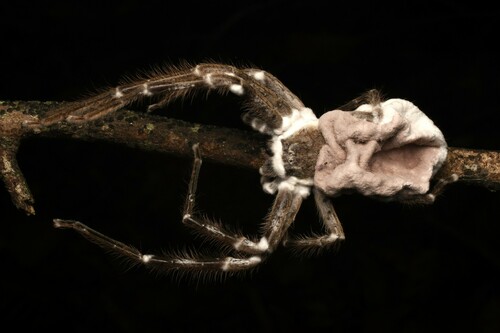
Purpureocillium atypicola (Yasuda) Spatafora, Hywel-Jones & Luangsa-ard
Purpureocillium atypicola (Yasuda) Spatafora, Hywel-Jones & Luangsa-ard
Purpureocillium atypicola is an entomopathogenic fungus in Ophiocordycipitaceae, recorded from Japan, Australia, and New Zealand.
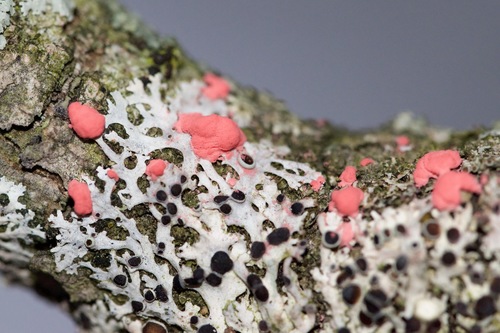
Illosporiopsis christiansenii (B.L.Brady & D.Hawksw.) D.Hawksw.
Illosporiopsis christiansenii (B.L.Brady & D.Hawksw.) D.Hawksw.
Illosporiopsis christiansenii is a lichen-parasizing asexual fungus found across Europe and North America, recognizable by its bright pink conidia.
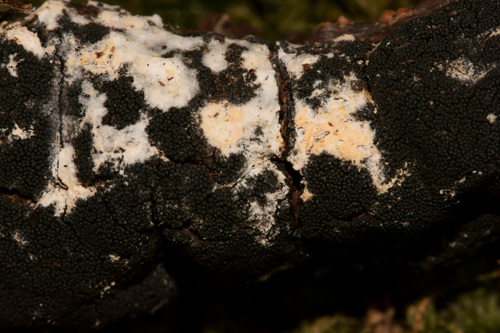
Trichothecium roseum (Pers.) Link
Trichothecium roseum (Pers.) Link
Trichothecium roseum is a globally distributed saprophytic fungus with distinctive pink colonies and characteristic zigzag conidial chains.
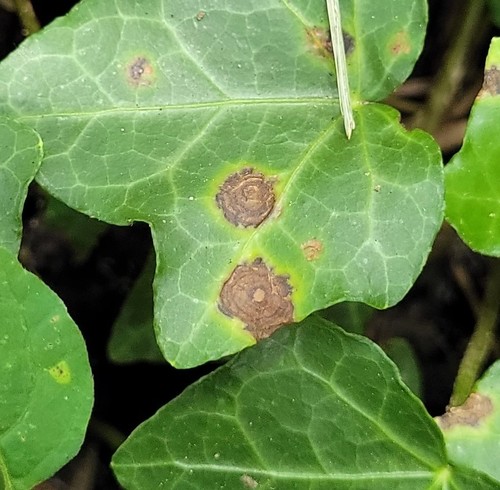
Colletotrichum trichellum (Fr.) Duke
Colletotrichum trichellum (Fr.) Duke
Colletotrichum trichellum is a fungal plant pathogen that causes leaf and stem spot in English Ivy.

Apiognomonia errabunda (Roberge ex Desm.) Höhn.
Apiognomonia errabunda (Roberge ex Desm.) Höhn.
Apiognomonia errabunda is a widespread fungal plant pathogen that causes oak anthracnose, found mostly on oak, beech, and linden.
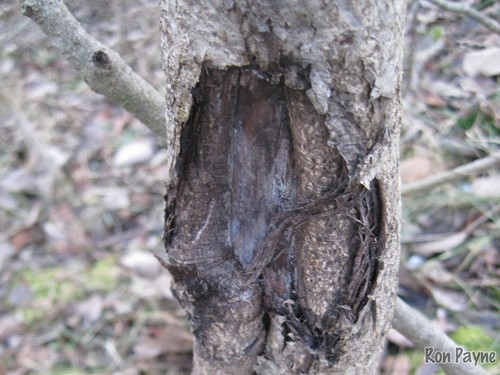
Ophiognomonia clavigignenti-juglandacearum (V.M.G.Nair, Kostichka & J.E.Kuntz) Broders & G.J.Boland
Ophiognomonia clavigignenti-juglandacearum (V.M.G.Nair, Kostichka & J.E.Kuntz) Broders & G.J.Boland
Ophiognomonia clavigignenti-juglandacearum is a fungus causing lethal butternut canker, threatening butternut across North America.
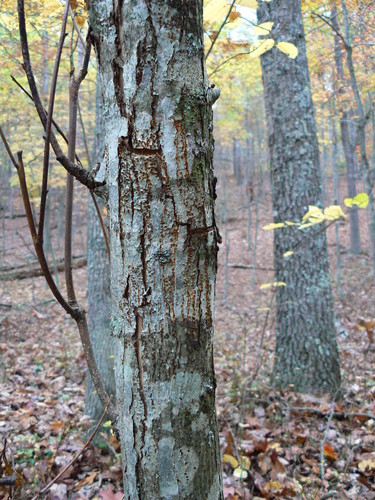
Cryphonectria parasitica (Murrill) M.E.Barr
Cryphonectria parasitica (Murrill) M.E.Barr
Cryphonectria parasitica is an Asian pathogenic fungus that causes lethal chestnut canker and has spread to North America and Europe.
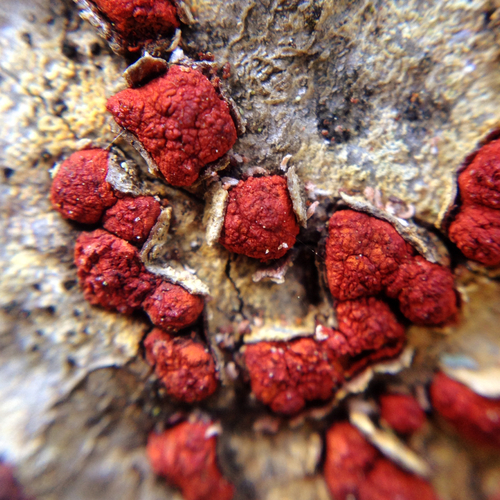
Endothia gyrosa (Schwein.) Fr., 1866
Endothia gyrosa (Schwein.) Fr., 1866
Endothia gyrosa is a Cryphonectriaceae sac fungus found on multiple host genera in North America.
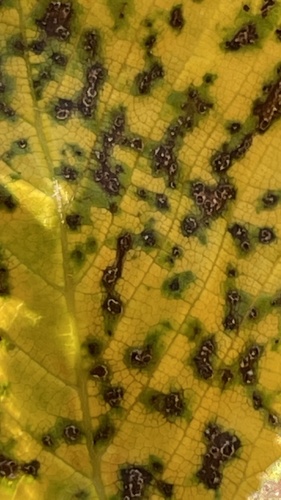
Stegophora ulmea (Fr.) Syd. & P.Syd.
Stegophora ulmea (Fr.) Syd. & P.Syd.
Stegophora ulmea is a North American native ascomycete fungus that causes a common foliar disease of elms.
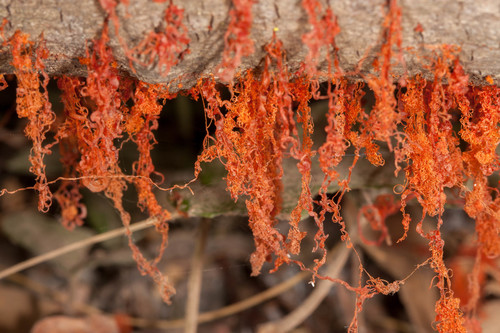
Cytospora chrysosperma (Pers.) Fr.
Cytospora chrysosperma (Pers.) Fr.
Diamond willow is willow with diamond-shaped colored wood segments caused by fungus, valued for carving and used in traditional medicine.
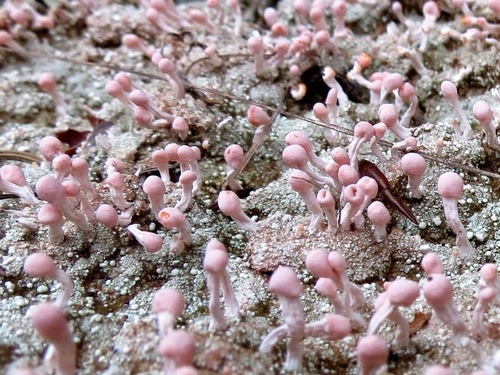
Dibaeis baeomyces (L.f.) Rambold & Hertel
Dibaeis baeomyces (L.f.) Rambold & Hertel
Dibaeis baeomyces is a pink-stalked lichen found across North America that grows on sunny, acidic unstable soil.
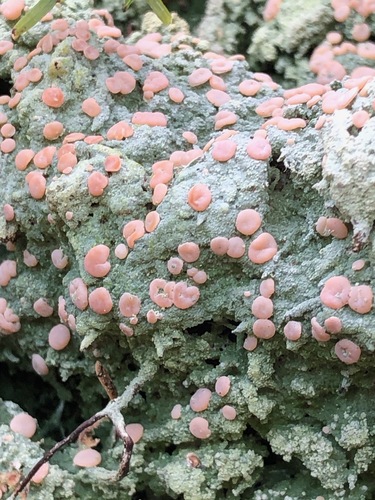
Icmadophila ericetorum (L.) Zahlbr.
Icmadophila ericetorum (L.) Zahlbr.
Icmadophila ericetorum is a cosmopolitan lichen species in the family Icmadophilaceae.
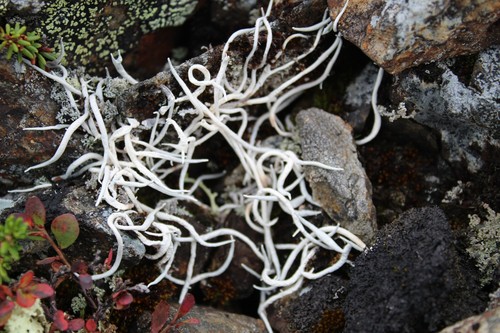
Thamnolia vermicularis (Sw.) Schaer.
Thamnolia vermicularis (Sw.) Schaer.
Thamnolia vermicularis is a widespread cold-region lichen used in traditional medicine, rituals, and as a bioindicator for alpine snow change.
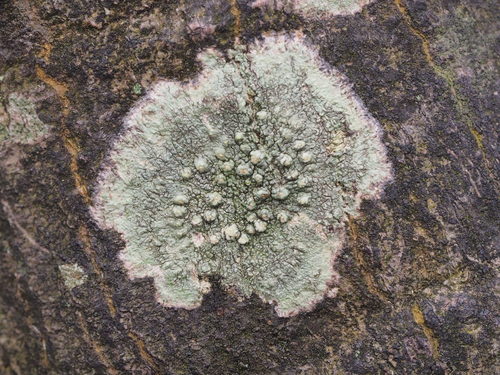
Pertusaria texana Müll.Arg.
Pertusaria texana Müll.Arg.
Pertusaria texana is a bark-dwelling lichen found in Mexico and the southwestern United States, with distinctive yellow-tipped ostioles and eight-spored asci.
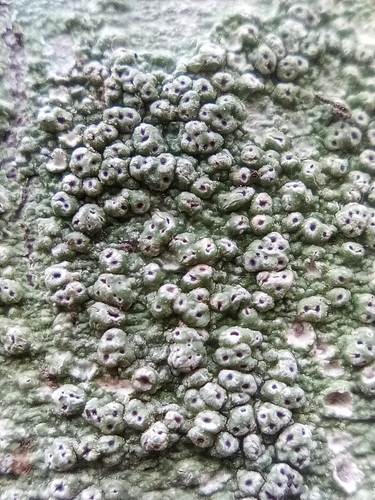
Pertusaria pertusa (L.) Tuck.
Pertusaria pertusa (L.) Tuck.
Pertusaria pertusa is a lichen-forming fungus in Pertusariaceae, native to Eurasia and Southern Africa.
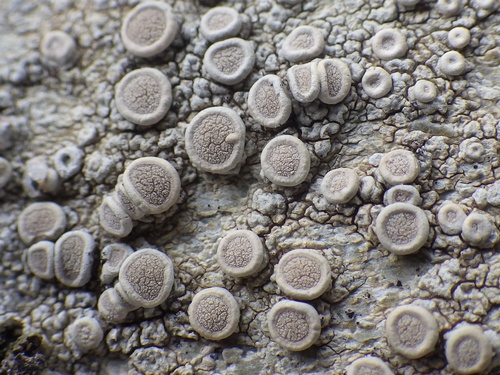
Ochrolechia parella (L.) A.Massal.
Ochrolechia parella (L.) A.Massal.
Ochrolechia is a genus of crustose lichens with defined morphological, reproductive, and chemical traits.
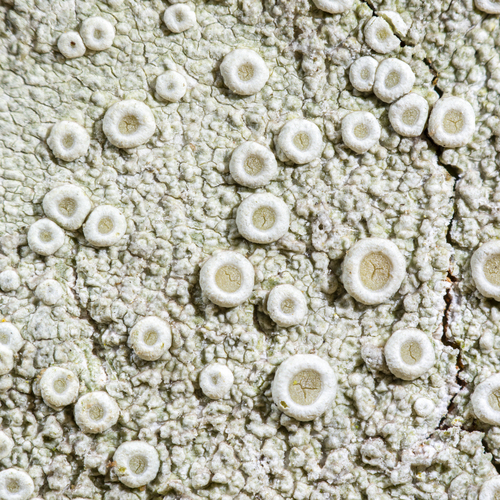
Ochrolechia africana Zahlbr.
Ochrolechia africana Zahlbr.
Ochrolechia africana is a widely distributed crustose lichen found on trees or rocks across tropical and subtropical regions globally.
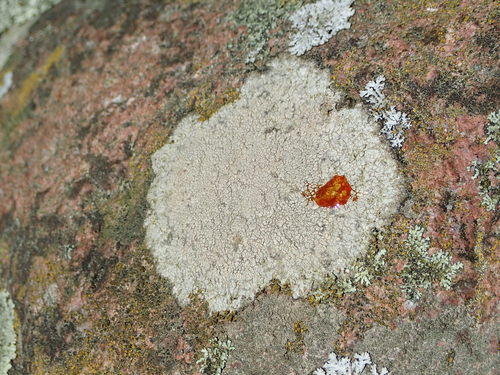
Aspicilia cinerea (L.) Körb.
Aspicilia cinerea (L.) Körb.
Aspicilia cinerea, or cinder lichen, is a gray to white crustose areolate rock lichen found across Eurasia and North America.
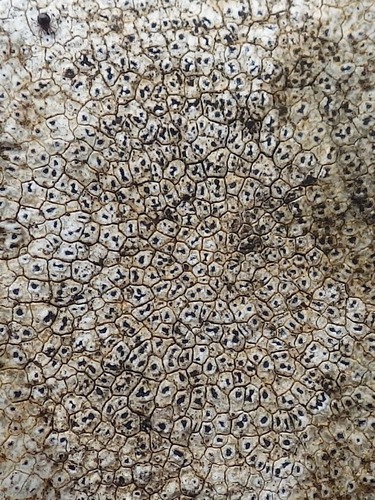
Circinaria calcarea (L.) A.Nordin, Savić & Tibell
Circinaria calcarea (L.) A.Nordin, Savić & Tibell
Circinaria calcarea is a cosmopolitan crustose saxicolous lichen in Megasporaceae that grows on calcareous and basic rock.
Start Exploring Nature Today
Download iNature for free. 10 identifications on us. No account needed. No credit card required.
Download Free on App Store
