Solanaceae — Nightshade Family
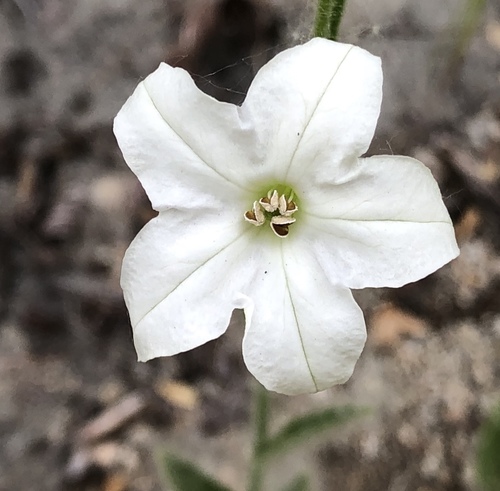
Nicotiana quadrivalvis Pursh
Nicotiana quadrivalvis Pursh
Nicotiana quadrivalvis, or Indian sacred tobacco, is a wild tobacco endemic to the western US, traditionally cultivated by Native American groups.
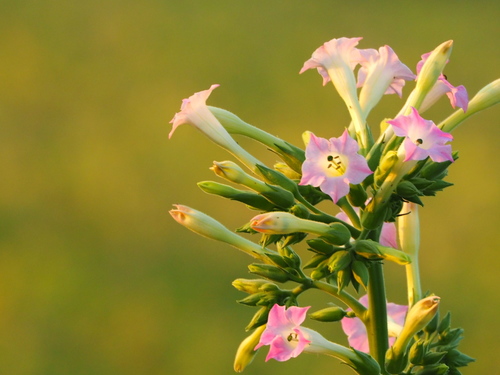
Nicotiana tabacum L.
Nicotiana tabacum L.
Nicotiana tabacum L. is an annual plant widely cultivated to make tobacco products, with recorded traditional medicinal uses across regions.
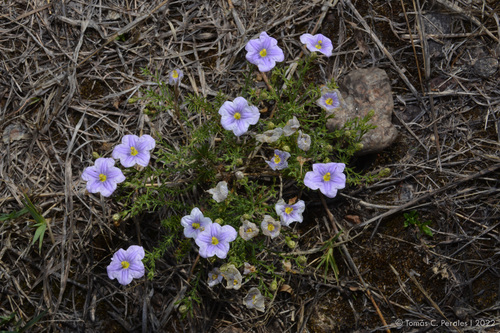
Nierembergia linariifolia Graham
Nierembergia linariifolia Graham
Nierembergia linariifolia, the narrow-leaved cupflower, is a Solanaceae species native to central South America that holds the RHS Award of Garden Merit.
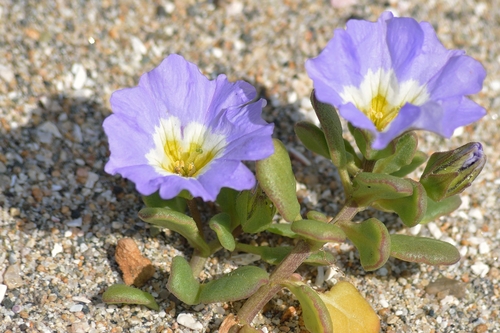
Nolana paradoxa Lindl.
Nolana paradoxa Lindl.
Nolana paradoxa (Chilean bellflower) is a half-hardy annual Solanaceae species native to Chile, used as a ground cover and flower color research model.
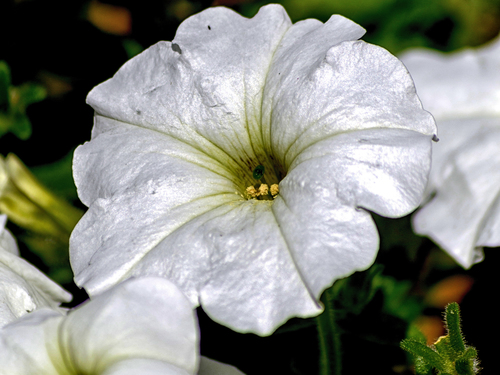
Petunia axillaris (Lam.) Britton, Sterns & Poggenb.
Petunia axillaris (Lam.) Britton, Sterns & Poggenb.
Petunia axillaris is a white-flowered annual herb from South America, one parent of the common garden petunia hybrid.
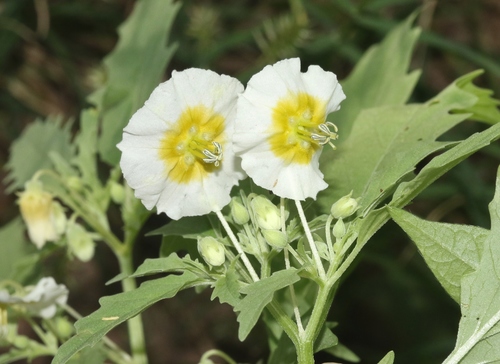
Physalis acutifolia (Miers) Sandwith
Physalis acutifolia (Miers) Sandwith
Physalis acutifolia, sharpleaf groundcherry, is an annual nightshade native to the southwestern US and northern Mexico.
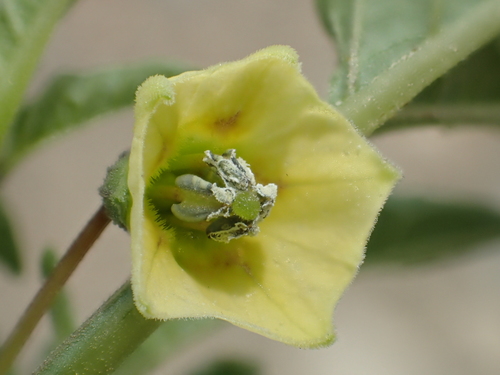
Physalis angulata L.
Physalis angulata L.
Physalis angulata is an annual nightshade with edible enclosed fruits and poisonous other parts, naturalized worldwide in tropics.
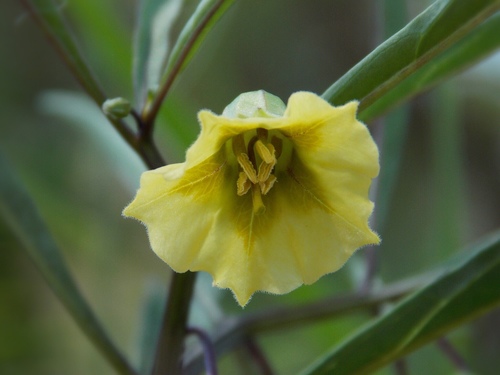
Physalis angustifolia Nutt.
Physalis angustifolia Nutt.
Physalis angustifolia, the coastal groundcherry, is a flowering plant in the Solanaceae family native to the U.S. Gulf Coast shoreline.
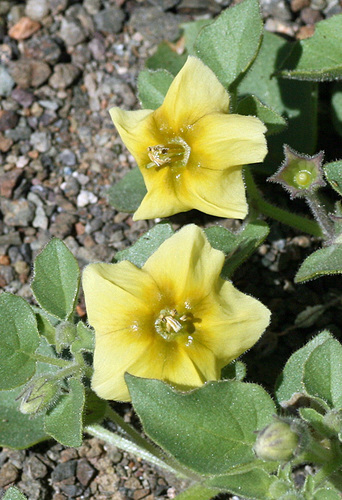
Physalis crassifolia Benth.
Physalis crassifolia Benth.
Physalis crassifolia is a nightshade species native to the southwestern US and northern Mexico, growing in dry rocky habitats.
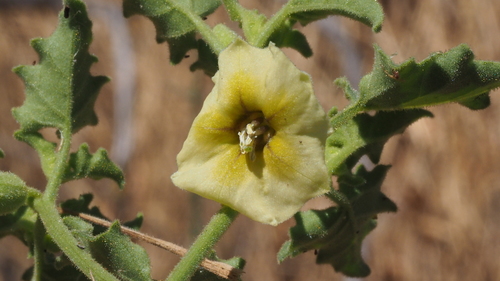
Physalis hederifolia A.Gray
Physalis hederifolia A.Gray
Physalis hederifolia (ivyleaf groundcherry) is a nightshade native to southwestern US and northern Mexico, with one variety used by Zuni people as a condiment.
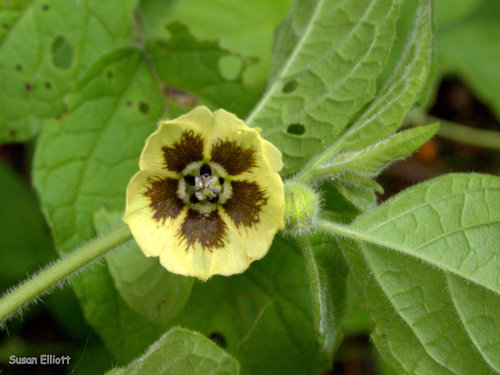
Physalis heterophylla Nees
Physalis heterophylla Nees
Physalis heterophylla is a tall perennial North American Physalis with glandular foliage, identifiable edible ripe fruit and toxic other parts.
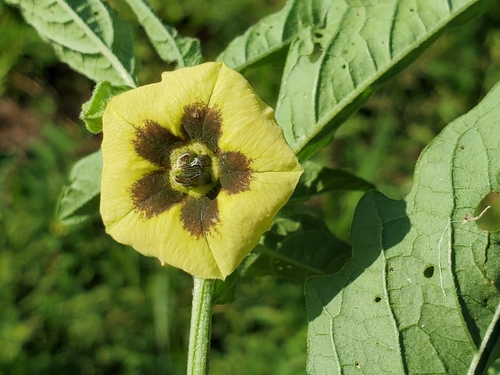
Physalis longifolia Nutt.
Physalis longifolia Nutt.
Physalis longifolia is an edible North American nightshade, with a history of use by Native American groups.
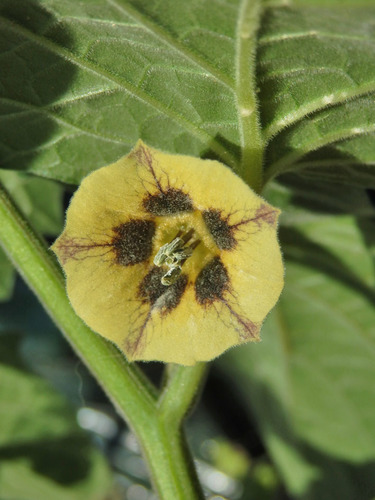
Physalis peruviana L.
Physalis peruviana L.
Physalis peruviana is a solanaceous berry plant with an edible fruit, native to the Andes and widely cultivated globally.
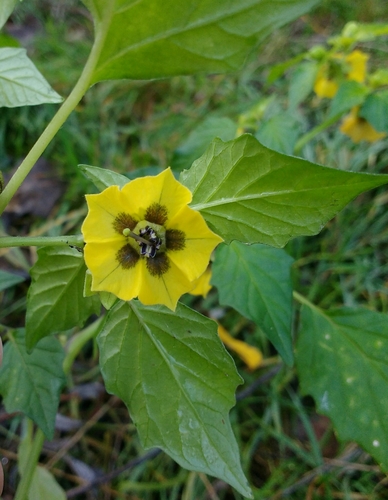
Physalis philadelphica Lam.
Physalis philadelphica Lam.
This is a description of Physalis philadelphica, the tomatillo, covering its taxonomy, growth, distribution, and culinary uses.
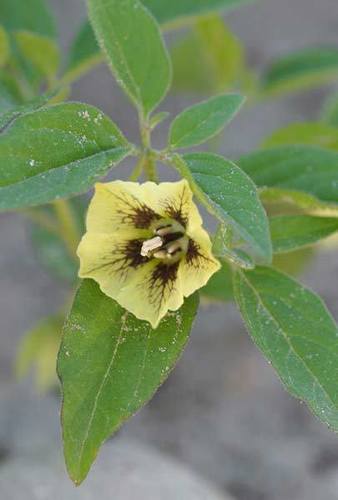
Physalis virginiana Mill.
Physalis virginiana Mill.
Physalis virginiana Mill. (Virginia groundcherry) is an 8-12 inch tall plant with studied antibacterial medicinal potential.
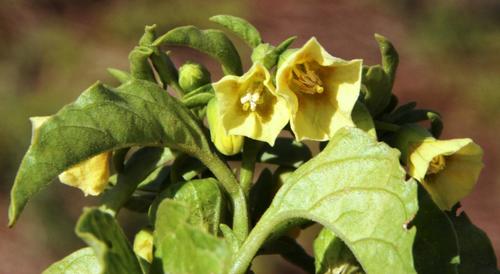
Physalis viscosa L.
Physalis viscosa L.
Physalis viscosa is a nightshade family perennial herb native to South America, with documented nutritional and medicinal uses in the Gran Chaco region.
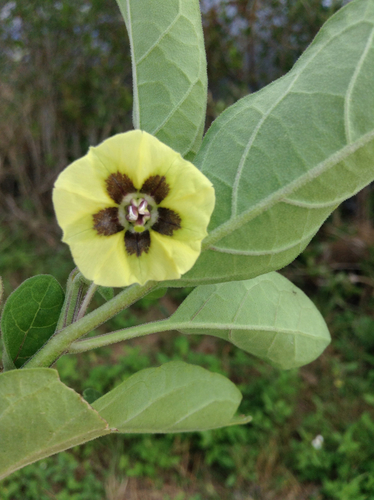
Physalis walteri Nutt.
Physalis walteri Nutt.
Physalis walteri is a perennial flowering herb native to the southeastern US and Northeast Mexico, named for botanist Thomas Walter.
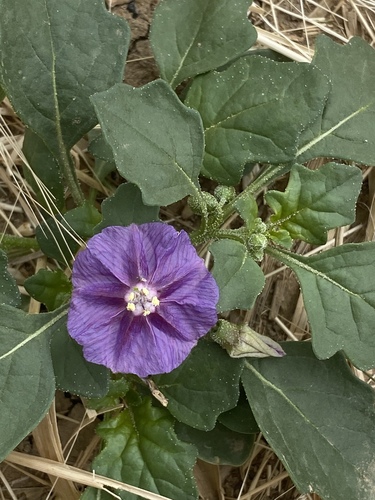
Quincula lobata (Torr.) Raf.
Quincula lobata (Torr.) Raf.
Quincula lobata is a perennial herb native to the southwestern US and northern Mexico, whose berries are used by the Kiowa to make jam.
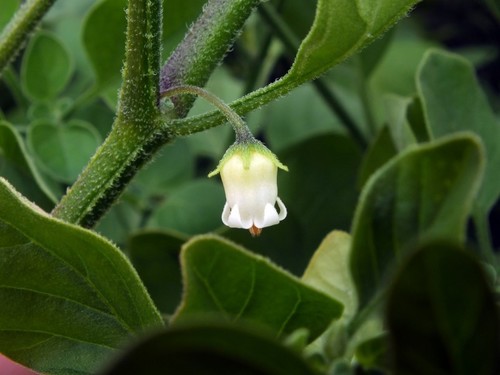
Salpichroa origanifolia (Lam.) Baill.
Salpichroa origanifolia (Lam.) Baill.
Salpichroa origanifolia is a hairy perennial vine native to South America, now naturalised across multiple other continents.
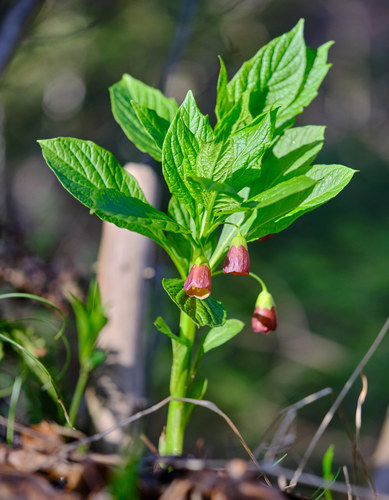
Scopolia carniolica Jacq.
Scopolia carniolica Jacq.
Scopolia carniolica is a poisonous nightshade species native to Central and Southeastern Europe, containing toxic tropane alkaloids.
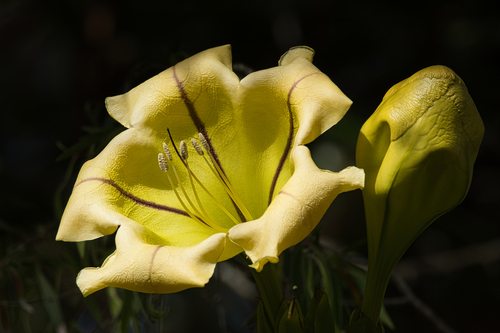
Solandra maxima (Moc. & Sessé) P.S.Green
Solandra maxima (Moc. & Sessé) P.S.Green
Solandra maxima is a fast-growing poisonous climbing vine, often pruned into a shrub in cultivation.
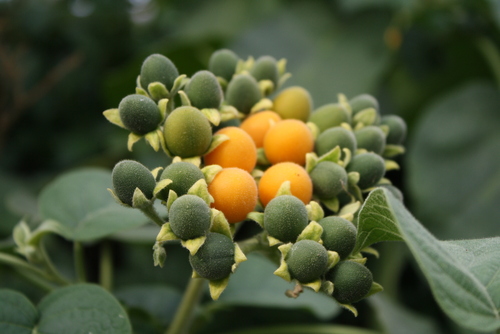
Solanum abutiloides (Griseb.) Bitter & Lillo
Solanum abutiloides (Griseb.) Bitter & Lillo
Solanum abutiloides, the dwarf tamarillo, is a solanaceous endemic of Argentina and Bolivia, usually grown as an ornamental.
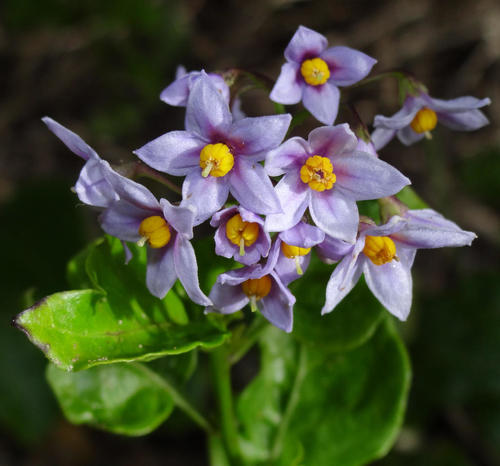
Solanum africanum Mill.
Solanum africanum Mill.
Solanum africanum is a perennial South African shrub or climber with colored flowers, black ripe berries, found near coastal dunes.
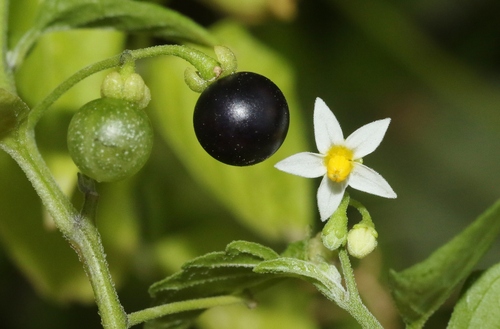
Solanum americanum Mill.
Solanum americanum Mill.
Solanum americanum Mill. is an herbaceous plant containing multiple toxins, with toxic effects on humans and livestock, that is also used as folk medicine.
Related Families
Start Exploring Nature Today
Download iNature for free. 10 identifications on us. No account needed. No credit card required.
Download Free on App Store
