Plethodontidae
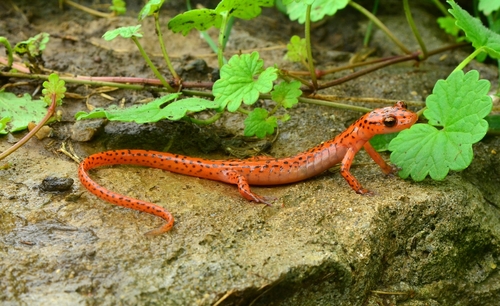
Eurycea lucifuga Rafinesque, 1822
Eurycea lucifuga Rafinesque, 1822
Eurycea lucifuga, the cave salamander, is a large lungless salamander found in limestone-rich areas of the central and eastern United States.
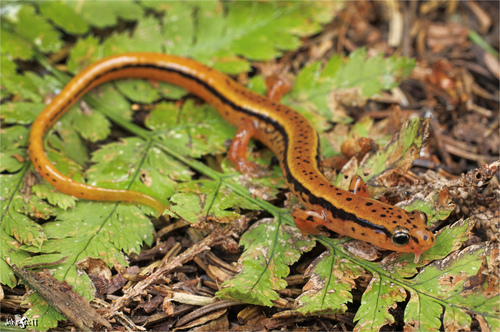
Eurycea wilderae Dunn, 1920
Eurycea wilderae Dunn, 1920
Eurycea wilderae, the Blue Ridge two-lined salamander, is a lungless salamander native to the southern Appalachian Mountains.
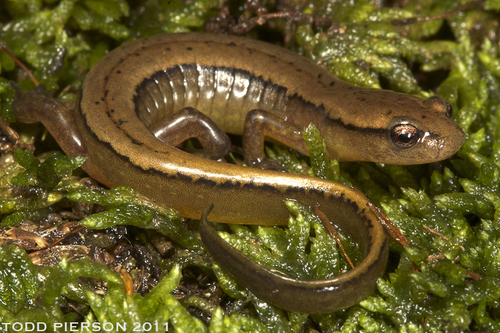
Eurycea aquatica Rose & Bush, 1963
Eurycea aquatica Rose & Bush, 1963
Eurycea aquatica, the brownback salamander, is a small sexually dimorphic salamander found in springs across parts of the southeastern U.S.
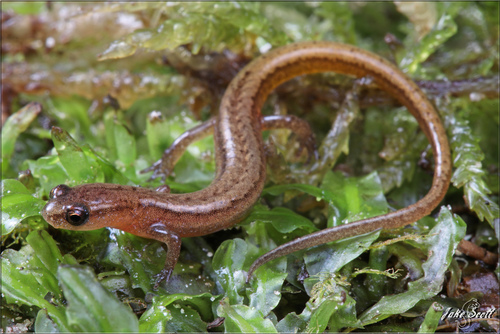
Eurycea hillisi Wray, Means & Steppan, 2017
Eurycea hillisi Wray, Means & Steppan, 2017
Eurycea hillisi, or Hillis' dwarf salamander, is a distinct small salamander species found across parts of the US Southeast.
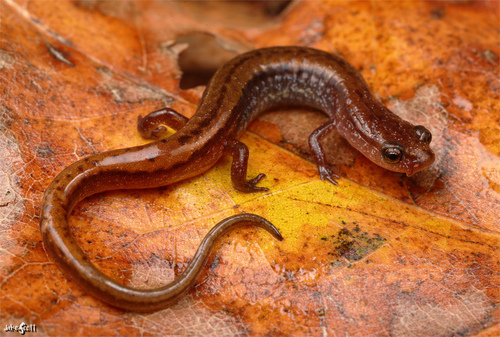
Eurycea paludicola (Mittleman, 1947)
Eurycea paludicola (Mittleman, 1947)
The western dwarf salamander (Eurycea paludicola) is a native salamander species found in the southern United States.
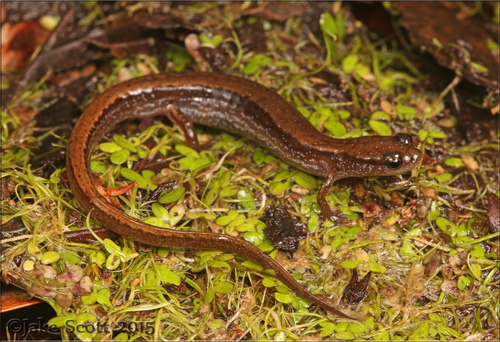
Eurycea quadridigitata (Holbrook, 1842)
Eurycea quadridigitata (Holbrook, 1842)
Eurycea quadridigitata, the southeastern dwarf salamander, is a small slender salamander with four toes per foot and variable coloration.
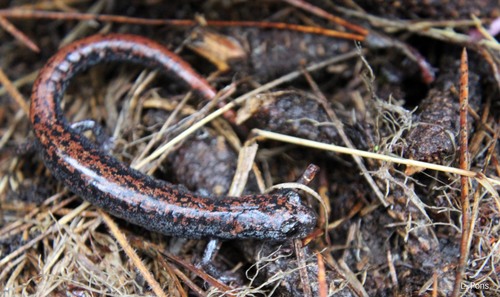
Pseudoeurycea leprosa (Cope, 1869)
Pseudoeurycea leprosa (Cope, 1869)
Pseudoeurycea leprosa is a plethodontid salamander endemic to Mexico, threatened by habitat loss and showing genetic divergence between populations.
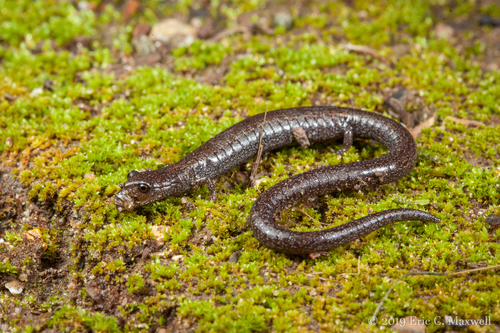
Batrachoseps gavilanensis Jockusch, Yanev & Wake, 2001
Batrachoseps gavilanensis Jockusch, Yanev & Wake, 2001
Batrachoseps gavilanensis, the Gabilan Mountains slender salamander, is an endemic plethodontid salamander of coastal California, U.S.
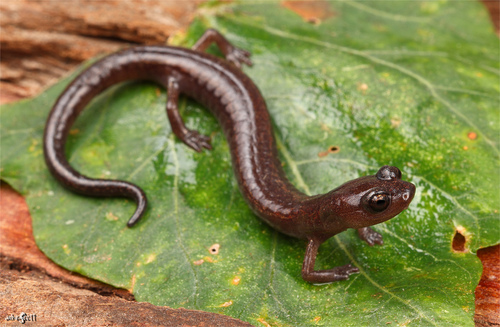
Batrachoseps pacificus (Cope, 1865)
Batrachoseps pacificus (Cope, 1865)
Batrachoseps pacificus, the Channel Islands slender salamander, is an endemic amphibian of California's northern Channel Islands.
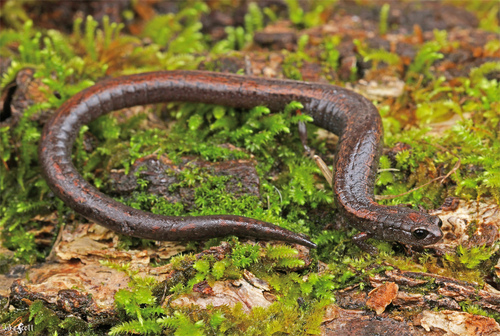
Batrachoseps attenuatus (Eschscholtz, 1833)
Batrachoseps attenuatus (Eschscholtz, 1833)
Batrachoseps attenuatus, the California slender salamander, is a small plethodontid salamander native to western North America.
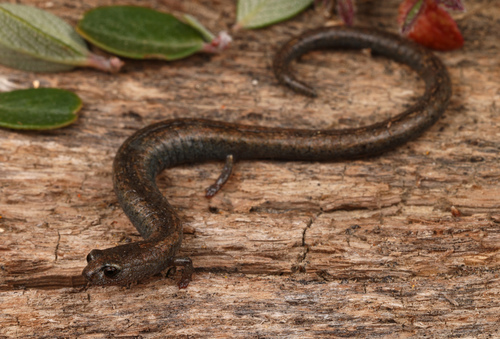
Batrachoseps gregarius Jockusch, Wake & Yanev, 1998
Batrachoseps gregarius Jockusch, Wake & Yanev, 1998
Batrachoseps gregarius, the gregarious slender salamander, is a small endemic Californian salamander with seasonal communal egg-laying.
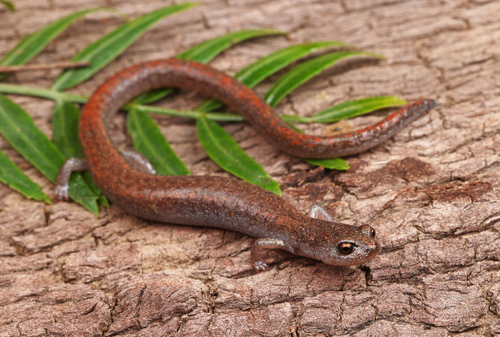
Batrachoseps major Camp, 1915
Batrachoseps major Camp, 1915
Batrachoseps major is a relatively large pale-bellied slender salamander endemic to southern California and northwestern Baja California.
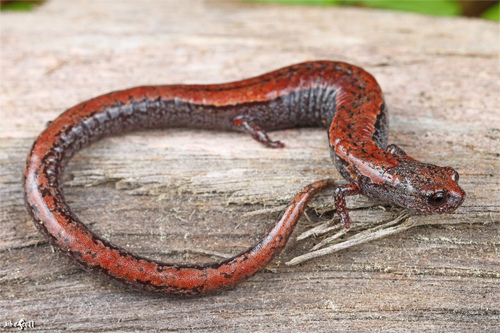
Batrachoseps luciae Jockusch, Yanev & Wake, 2001
Batrachoseps luciae Jockusch, Yanev & Wake, 2001
Batrachoseps luciae, the Santa Lucia Mountains slender salamander, is a plethodontid salamander endemic to Monterey County, California.
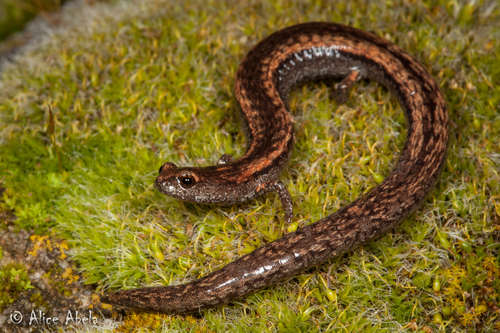
Batrachoseps nigriventris Cope, 1869
Batrachoseps nigriventris Cope, 1869
Batrachoseps nigriventris, the black-bellied slender salamander, is a small fragile salamander found in California habitats.
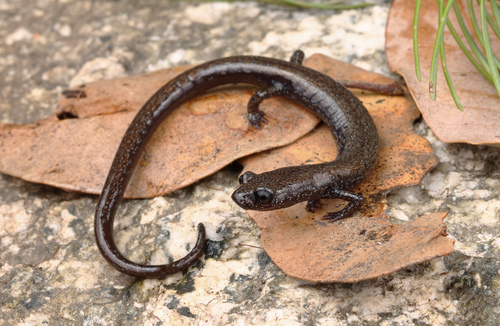
Batrachoseps gabrieli Wake, 1996
Batrachoseps gabrieli Wake, 1996
Batrachoseps gabrieli, the San Gabriel slender salamander, is a small black-blotched salamander found only in San Gabriel Mountains, California.
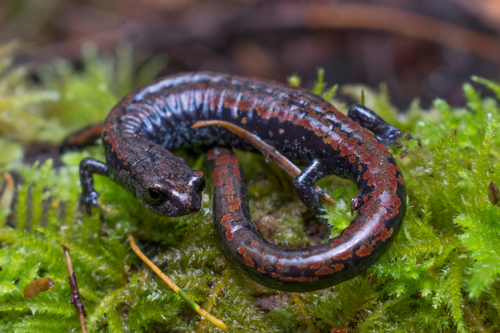
Batrachoseps wrighti (Bishop, 1937)
Batrachoseps wrighti (Bishop, 1937)
Batrachoseps wrighti, the Oregon slender salamander, is a small salamander endemic to north-central Oregon forests.
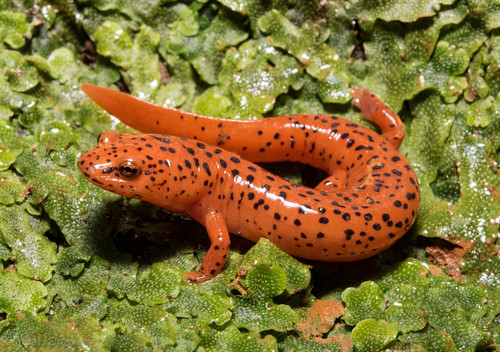
Pseudotriton ruber (Sonnini de Manoncourt & Latreille, 1801)
Pseudotriton ruber (Sonnini de Manoncourt & Latreille, 1801)
Pseudotriton ruber, the red salamander, is a medium-large salamander species found across the eastern United States.
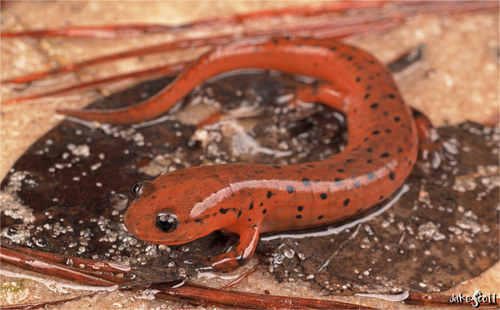
Pseudotriton montanus Baird, 1850
Pseudotriton montanus Baird, 1850
Pseudotriton montanus, the mud salamander, is a stout North American salamander with distinct appearance, habitat preferences, and reproductive traits.
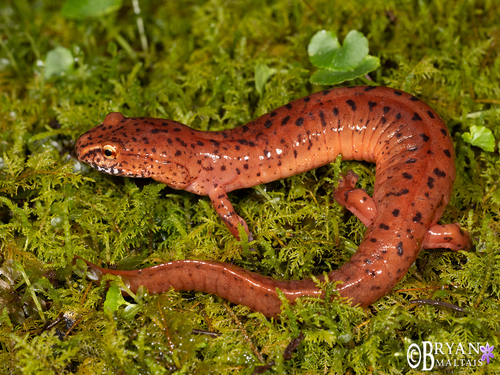
Gyrinophilus porphyriticus (Green, 1827)
Gyrinophilus porphyriticus (Green, 1827)
Gyrinophilus porphyriticus, the spring salamander, has four recognized subspecies across eastern North America.
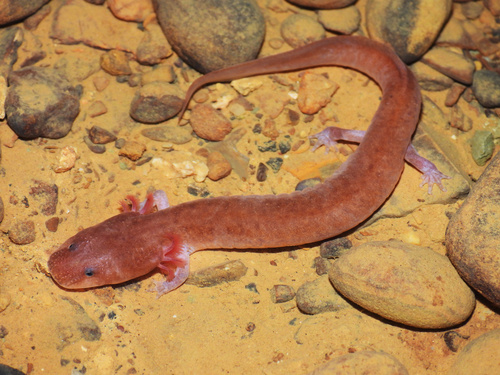
Gyrinophilus palleucus McCrady, 1954
Gyrinophilus palleucus McCrady, 1954
The Tennessee cave salamander (Gyrinophilus palleucus) is a paedomorphic, threatened U.S. Appalachian cave-dwelling plethodontid salamander.
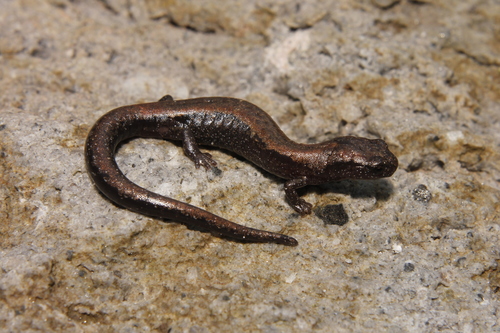
Chiropterotriton orculus (Cope, 1865)
Chiropterotriton orculus (Cope, 1865)
Chiropterotriton orculus is an endemic Mexican plethodontid salamander threatened by anthropogenic habitat loss.
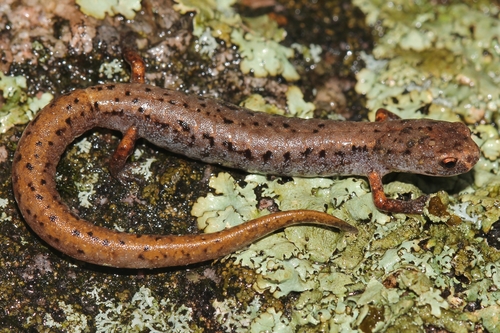
Hemidactylium scutatum (Temminck, 1838)
Hemidactylium scutatum (Temminck, 1838)
Hemidactylium scutatum, the four-toed salamander, is a small amphibian with distinct identification features, specific habitat needs, and a unique life cycle.
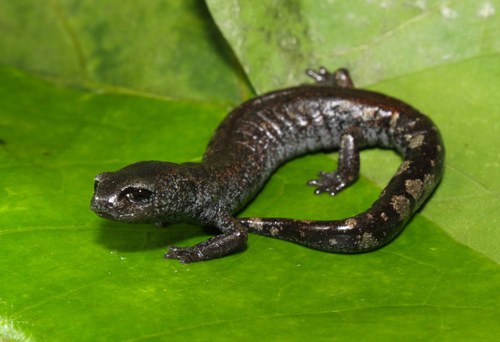
Aquiloeurycea cephalica (Cope, 1865)
Aquiloeurycea cephalica (Cope, 1865)
Aquiloeurycea cephalica is a plethodontid salamander endemic to central Mexico, threatened by habitat loss.
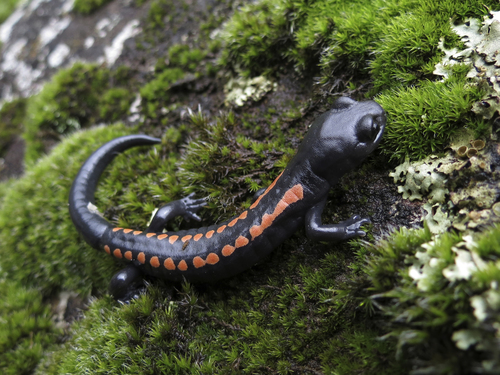
Isthmura gigantea (Taylor, 1939)
Isthmura gigantea (Taylor, 1939)
The giant false brook salamander (Isthmura gigantea) is a plethodontid salamander endemic to eastern Mexico, threatened by habitat loss.
Related Families
Start Exploring Nature Today
Download iNature for free. 10 identifications on us. No account needed. No credit card required.
Download Free on App Store
