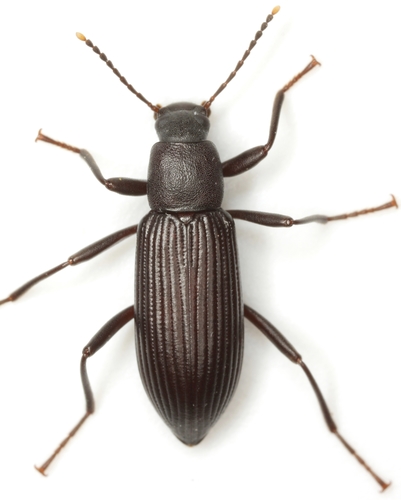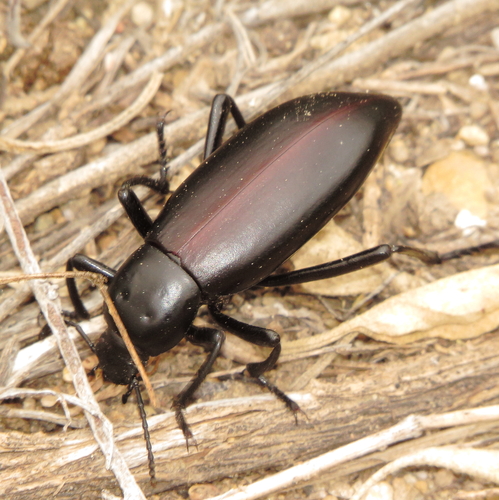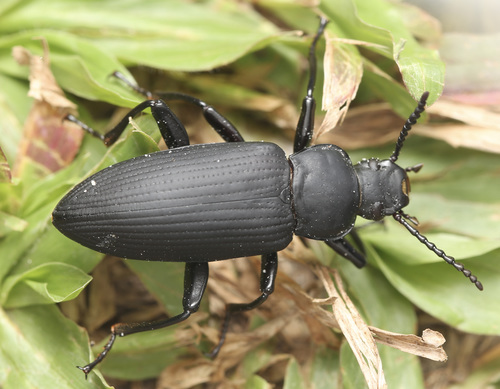
About Zophobas atratus (Fabricius, 1775)
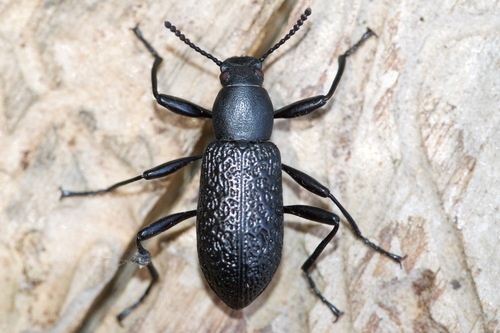
Zophobas atratus is a species of darkling beetle. Its larvae are commonly called superworms, kingworms, barley worms, morio worms, or simply Zophobas. Along with giant mealworms, which are Tenebrio molitor larvae treated with juvenile hormone, superworms are widely used as food in the reptile pet industry. Full-grown superworm larvae look very similar to large mealworms, measuring 50 to 60 mm (1.7–2.25 in) in length. Unlike mealworms, however, the ends of superworms' bodies are very dark, almost black. When larvae reach sufficient maturity, they pupate; newly emerged adult beetles are white to light brown, and gradually darken to full black over time. If Z. atratus larvae are kept in high densities with abundant food, they will not pupate. This method of crowding is commonly used to prevent pupation when keeping larvae long-term. To trigger maturation and pupation, individual larvae must be isolated for approximately 7 to 10 days. After this period, they will complete development and emerge as adult darkling beetles from their pupal stage. Zophobas atratus larvae are readily accepted as food by captive lizards, turtles, frogs, salamanders, birds, koi, and other insectivorous animals. Their nutritional content is similar to that of mealworms, so calcium supplementation is typically necessary if they are used as a daily staple food. Some keepers prefer superworms over mealworms because they have a softer exoskeleton, which makes them easier for some reptiles to digest. The larvae have no unpleasant odor, but adult beetles release a pungent chemical defense when they feel threatened. Zophobas atratus is easy to contain in captivity, which makes it ideal for home breeding to feed a collection of captive insectivores. The recorded nutritional composition of Z. atratus larvae is 46.80% protein, 43.64% lipids, 8.17% ash, and 1.39% carbohydrates. This beetle is naturally found in tropical regions of Central and South America, but has been spread around the world due to its use as food for reptiles and other captive insectivorous pets.