About Woodworthia chrysosiretica (Robb, 1980)
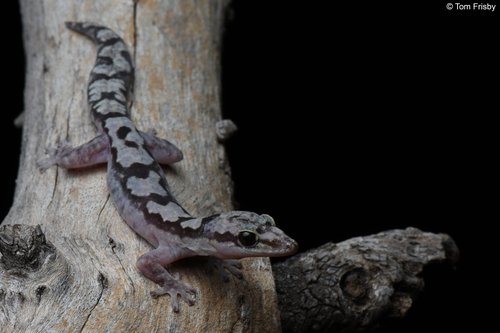
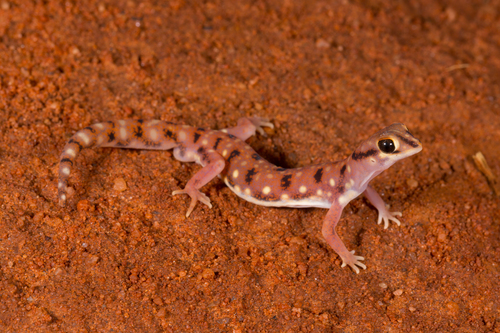
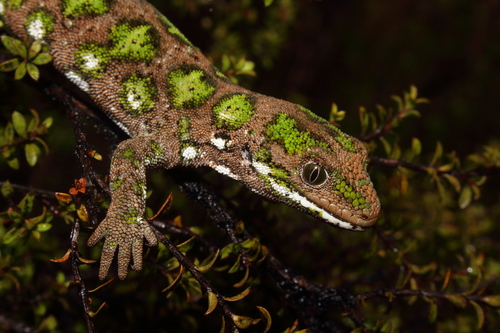
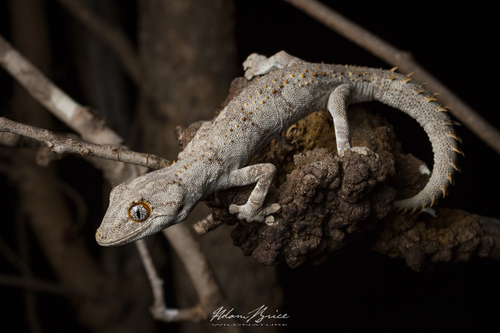
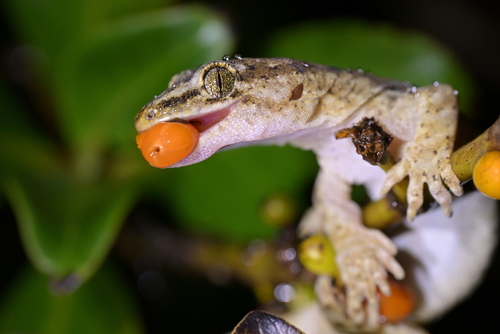
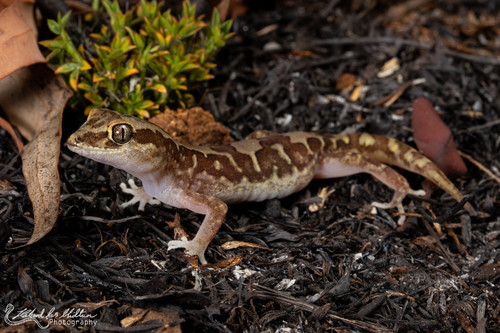
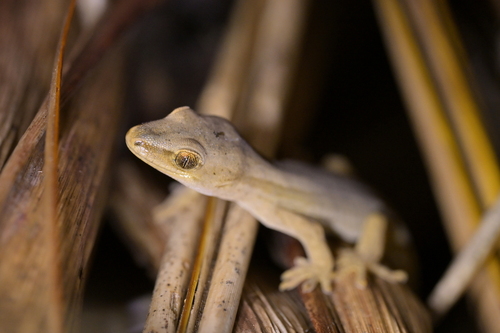
The gold-striped gecko, also known as the gold-stripe gecko or golden sticky-toed gecko, is a species of gecko in the family Diplodactylidae with the scientific name Woodworthia chrysosiretica. It is endemic to New Zealand, and is only found in the Taranaki region and Mana Island. The species' holotype is held in the collection of the Museum of New Zealand Te Papa Tongarewa. Gold-striped geckos can grow up to 14 cm (5.51 inches) long, and are brown or yellow with stripes running along their backs. They are mostly nocturnal and feed on small insects and invertebrates. They inhabit forests and bushes, but can also live in farmland and urban environments. This species does not lay eggs, and instead gives birth to live young. It was first described by J. Robb in 1980 under the name Hoplodactylus chrysosireticus. From July 1984 to July 1985, the gold-striped gecko appeared on a New Zealand 70 cent stamp as part of the Endangered Animal Wildlife series. The IUCN Red List lists this species as Near Threatened, and the Taranaki Regional Council currently lists it as At Risk.