About Vitis vulpina L.
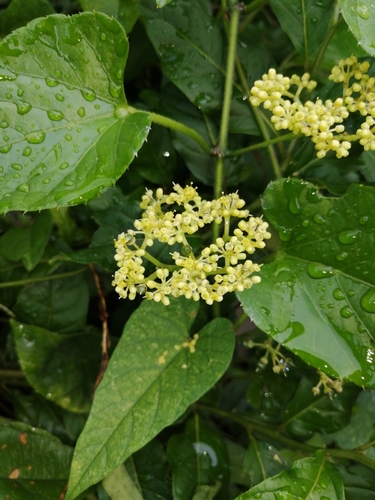
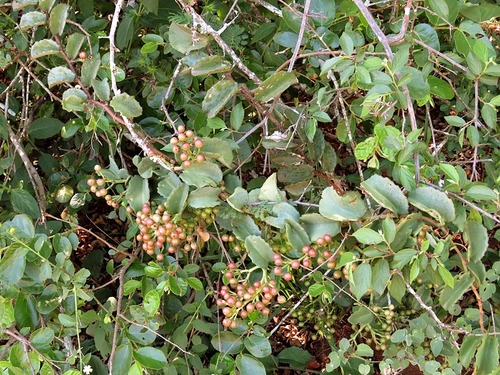
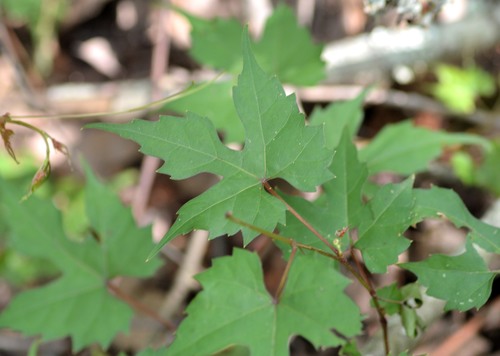
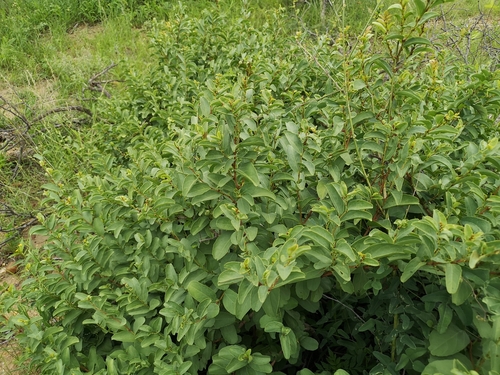
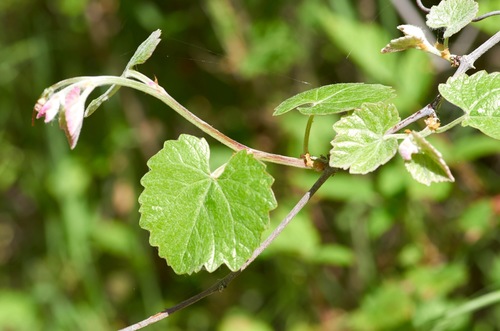
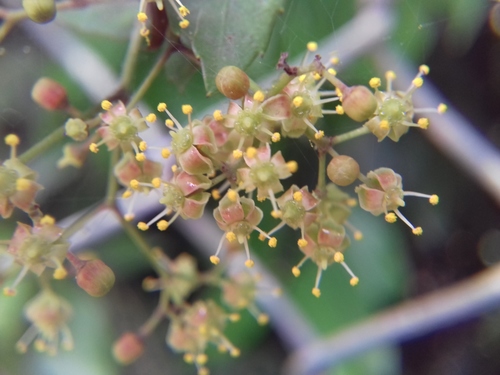
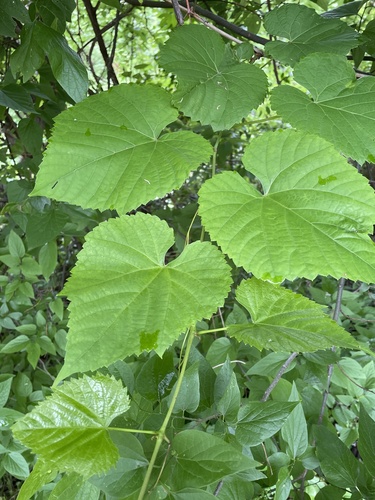
Vitis vulpina L., commonly called Frost Grape, has a relatively long lifespan and a moderate growth rate. This vine typically reaches a maximum height of around 83 feet. Contrary to what its common name suggests, the plant does not tolerate cold temperatures below -23 degrees Fahrenheit. The only effect frost has on this species is promoting further ripening of its grapes between September and October. The round berries are very tart and acidic, and they become sweet after frost as acid levels drop while the fruit matures. As grapes ripen during colder months and the plant enters its dormant stage, its leaves eventually fall off. If grapes are not harvested before the start of meteorological winter, they tend to shrivel on the vine and turn into raisin-like fruit. These shriveled grapes provide a food source for animals during this season. Vitis vulpina can be either monoecious or dioecious, and its flowers appear from May to June. Flowers are arranged in compound panicles, with a floral number of 5: each flower has 5 yellow petals, 5 sepals, and 5 stamens. The leaves are alternately arranged and have a cordate shape, with palmate venation. Unlike other wild grape species, Vitis vulpina leaves have no tufts of hair. Reddish tendrils appear opposite every third leaf, and the vine uses these to climb and grow along surfaces. The ripe grapes are tiny and dark purple. This species is most commonly found in moist or dry soils in woodlands, floodplains, and ravines. Thanks to its natural climbing ability, the vine is often grown along fences and trellises as ornamental vegetation. Its grapes are edible, and can be used to make wine, jam, and jellies.