About Vincetoxicum hirsutum (Decne.) Kuntze
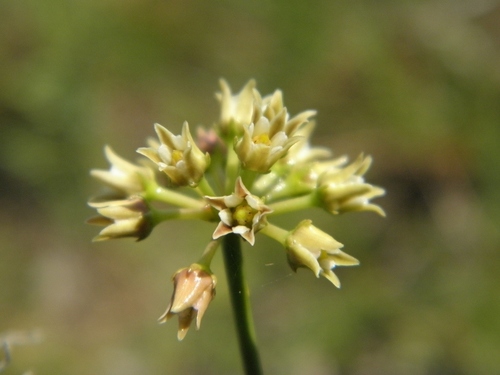
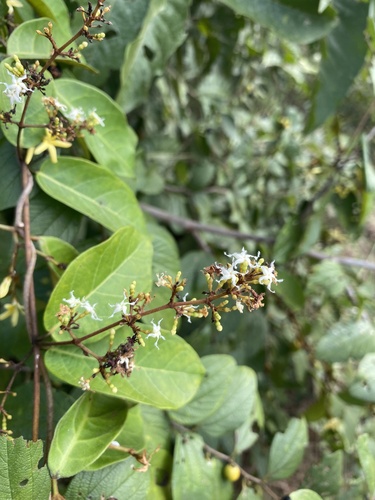
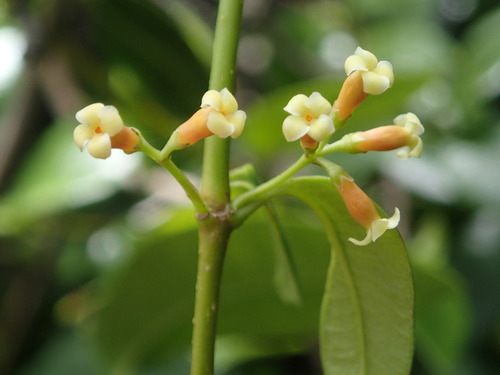
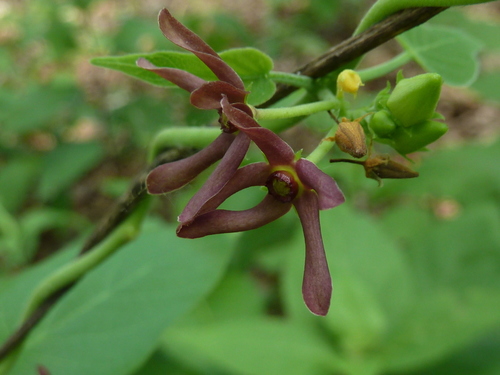
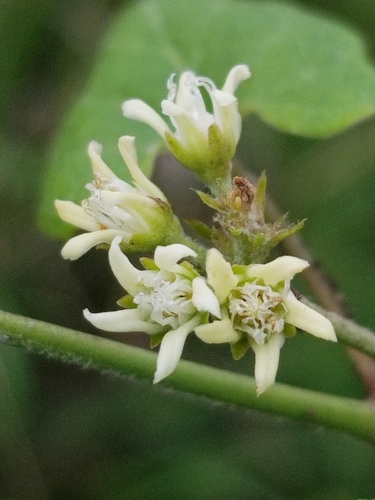
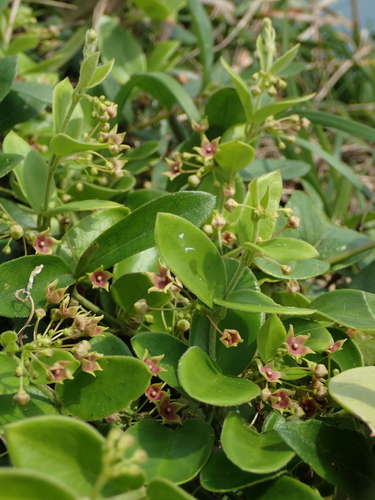
Vincetoxicum hirsutum (Decne.) Kuntze is a climbing perennial vine native to Eastern and Southern Asia. It grows across diverse habitats including forests, mixed woods, and thickets, and is particularly found between 200 and 1,000 metres (660 and 3,280 ft) of elevation in southern China. This vine can reach a maximum height of 5 metres (16 ft), and adapts to a wide range of soil types from light sandy soil to heavy clay. It grows well in both semi-shaded woodland locations and sunnier sites. It is hermaphroditic, and produces small star-shaped flowers in shades of yellow, pink, green, and red from May to August. Its evergreen leaves are a key food source for caterpillars of the Ceylon blue glassy tiger butterfly (Ideopsis vulgaris), making it an important part of local ecosystems. Vincetoxicum hirsutum is primarily known for its medicinal properties, which include antitussive, carminative, emetic, and expectorant effects, and holds cultural significance for its therapeutic uses. In traditional medicine, decoctions made from its roots have been used to treat a range of conditions including leukaemia, asthma, coughing, traumatic injuries, rheumatoid backaches, and abdominal pains. It has also been used as an antidote for venomous snakebites, confirming its place in traditional pharmacopoeias. Exact cultivation practices for this species are not currently known, but its long use in traditional medicine highlights its importance to local communities. As a wild plant, sustainable harvesting practices are needed to keep it available into the future.