About Veronicella cubensis (L.Pfeiffer, 1840)
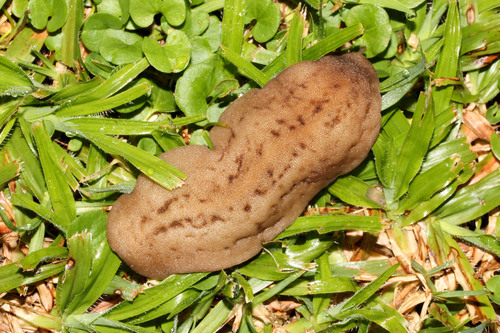
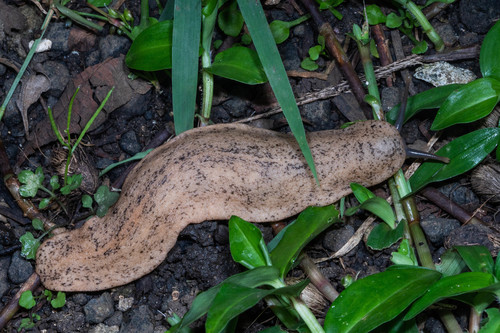
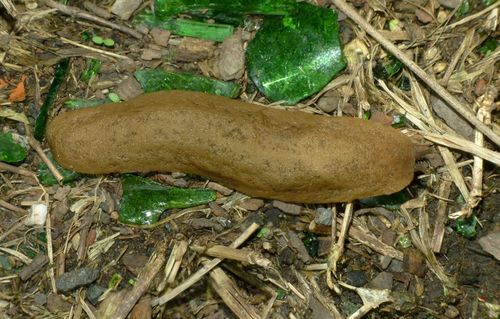
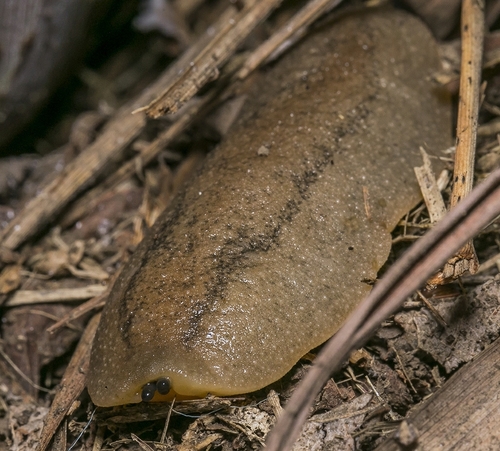
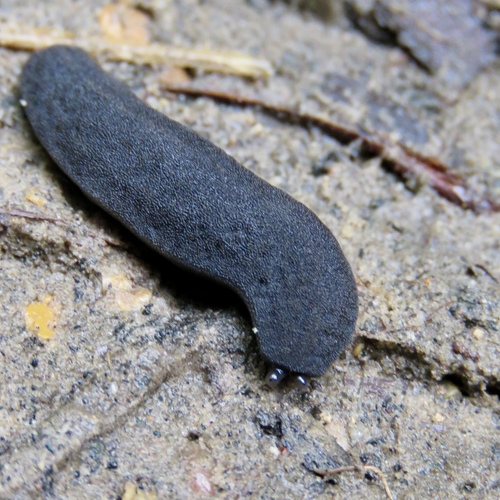
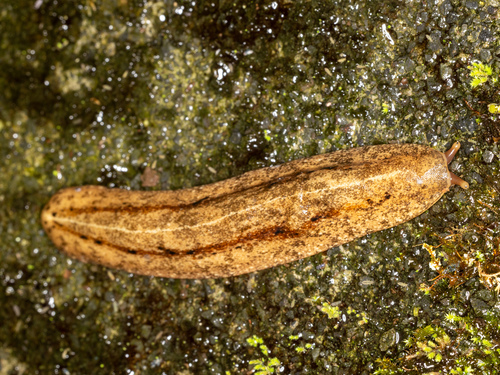
Veronicella cubensis (L.Pfeiffer, 1840) is a slug species that varies widely in color, ranging from nearly white or albino, through olive tan, to dark brown. A pale line usually runs down the center of its back. Dark spots may be visible on the back, or may form two bands that run along its sides. Confident identification of this slug is best achieved through a combination of dissection and molecular systematics. This species is native to Cuba, but has been spread beyond its native range, where it can act as an invasive pest. Its introduced range includes the Caribbean, parts of Micronesia, American Samoa, and the United States, particularly Hawaii. It has also been recorded in California, Louisiana, and Florida. V. cubensis is established in the United States, and is considered a potentially serious threatening pest and invasive species that may negatively impact agriculture, natural ecosystems, human health, and commerce. It has been recommended that this species be assigned top national quarantine significance in the United States. It was first discovered in Basra, Iraq on May 3, 2024. While self-fertilization is possible in many slugs, it has never been observed in V. cubensis. This species can store sperm for a relatively long period, approximately 3 months. A V. cubensis slug will lay around 4 egg masses per year, and can lay as many as one egg mass per month. Egg laying starts only after the slug reaches 200 days of age.