About Verbena halei Small
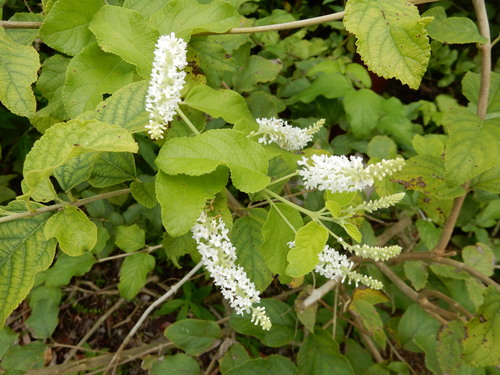
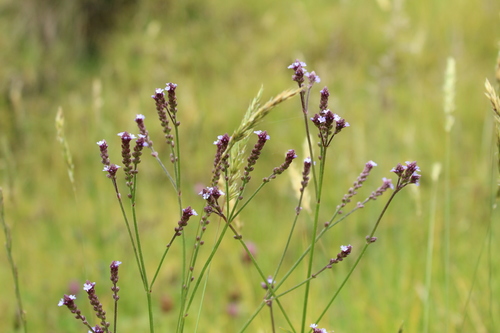
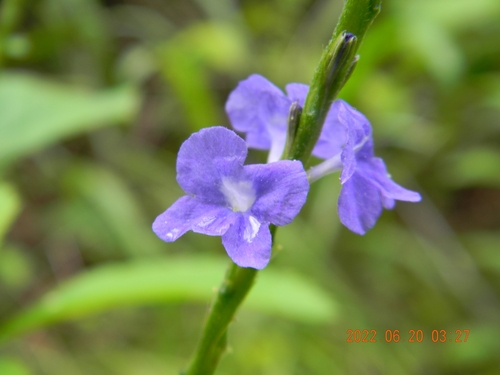
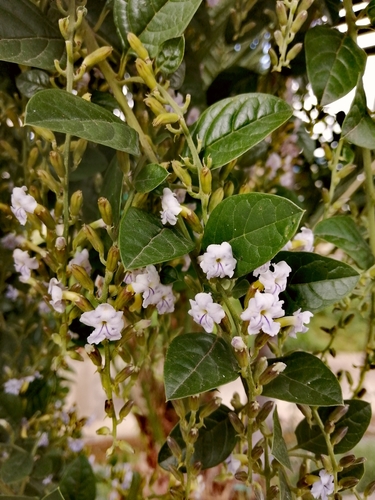
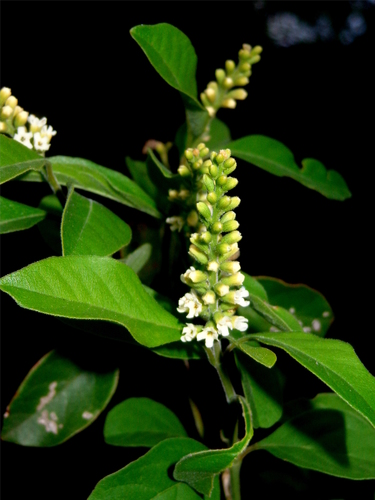
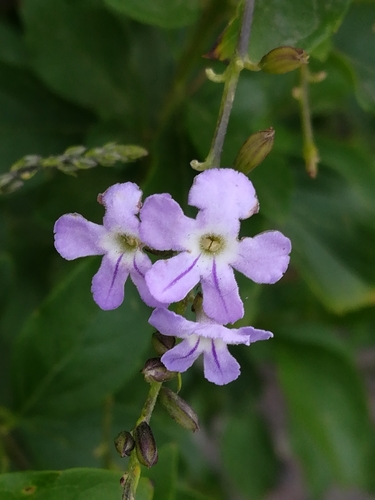
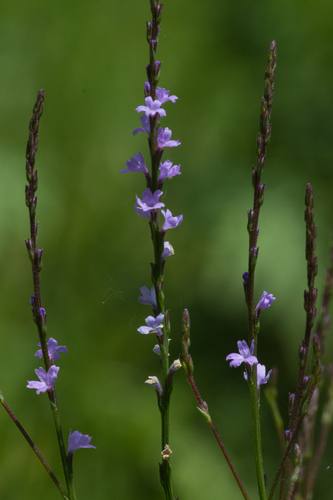
Verbena halei (common names: Texas vervain, Texas verbena, or slender verbena) is a flowering plant in the vervain family Verbenaceae. It is native to most of the southern United States and Mexico. Scattered populations occur on the United States east coast in North Carolina; its native range stretches south to Florida, west to Arizona, and covers most of Mexico. It is a perennial shrub that grows in thickets and woodland borders, and it is drought tolerant, growing in warm climates across a variety of soils including sand, loam, and clay. Its flowers bloom from March to June. The blooms are trumpet-shaped, ranging in color from blue to purple, and grow in loose clusters along the tops of branches. Each branch holds only a few flowers, and every individual flower has exactly five petals. The plant has a square stem, and produces small dry fruits called schizocarps. It was first formally named by American botanist John Kunkel Small in 1898. It is sometimes classified as a subspecies or variety of Verbena officinalis. It has been introduced to Australia, where it can be found in Queensland, New South Wales, Victoria, and South Australia.