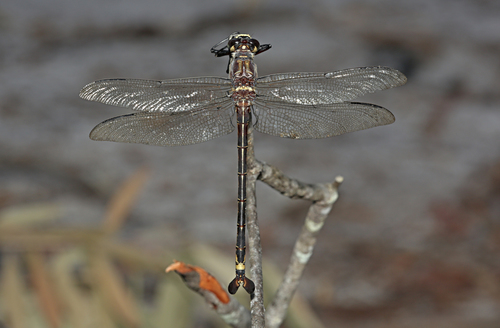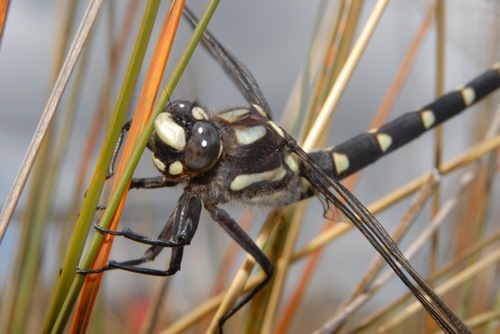
About Uropetala chiltoni Tillyard, 1921
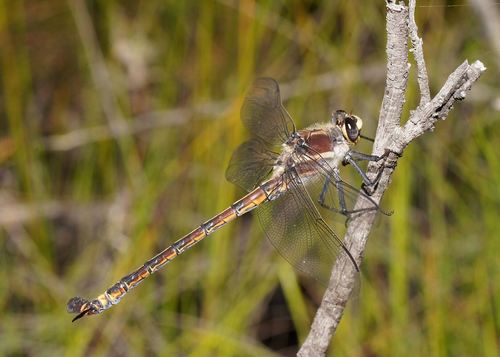
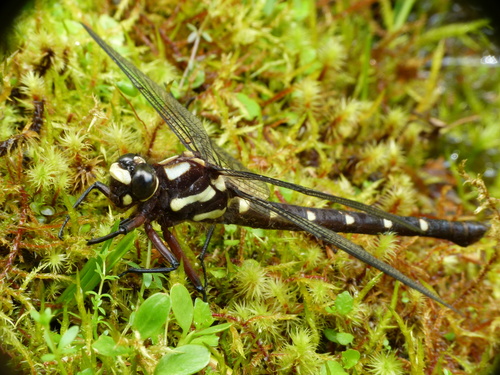
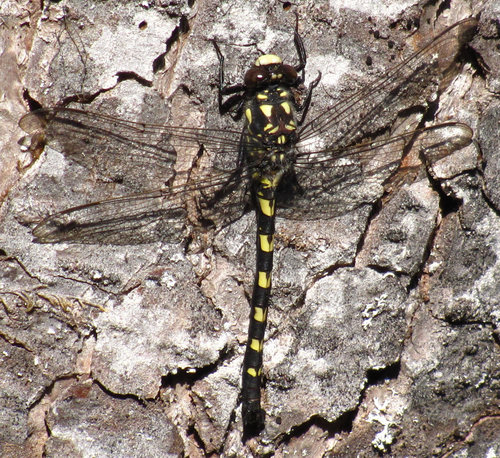
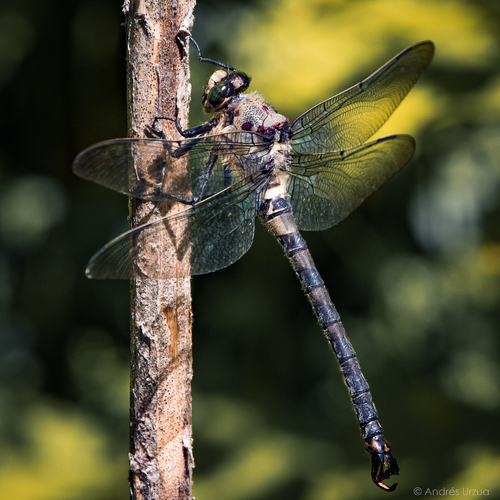
Uropetala chiltoni is the second-largest dragonfly species native to New Zealand. It reaches an approximate body length of 80 mm, with an approximate wingspan of 100 mm. It can be told apart from the closely related similar species Uropetala carovei by two key traits: U. chiltoni has large pale blotches on its labrum, while the labrum of U. carovei is entirely black; U. chiltoni has black femur leg segments, while the femurs of U. carovei are brownish. This species was formally described as a separate species in 1921 by Tillyard, based on specimens collected at Cass and Arthur's Pass. This species is endemic to New Zealand, where it occurs in upland and sub-alpine areas of the South Island. Confirmed records of the species range from Lake Rotoiti south to Lake Wakatipu, and east to the Old Man Range and Garvie Mountains. Unconfirmed reports also exist of the species from the southern North Island. Nymphs of Uropetala chiltoni dig tunnels into soft earth around alpine swamps or seepages in Schoenus tussock grassland. Even when forest cover is present, larvae still prefer wetland habitats located in forest clearings. Nymphs live in a burrow chamber that is half-filled with water, and they typically remain in this stage for around 5 to 6 years. They emerge from their chambers at night to hunt for prey near the entrance of their burrow. Tillyard observed that when U. chiltoni larvae are dug out of their burrows, they are docile, unlike the aggressive larvae of U. carovei. Adult Uropetala chiltoni hunt along forest margins and across swampland.