About Ulmus crassifolia Nutt.
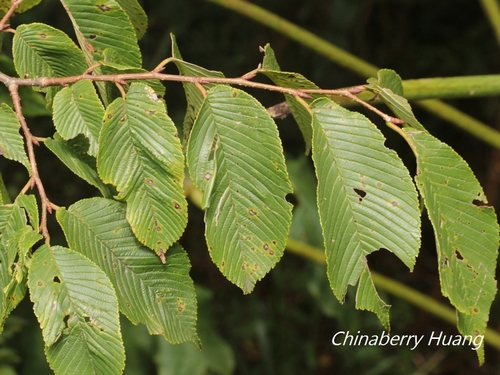
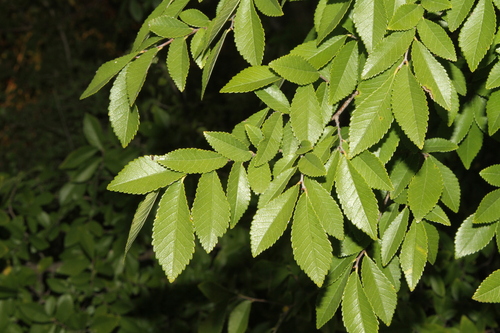
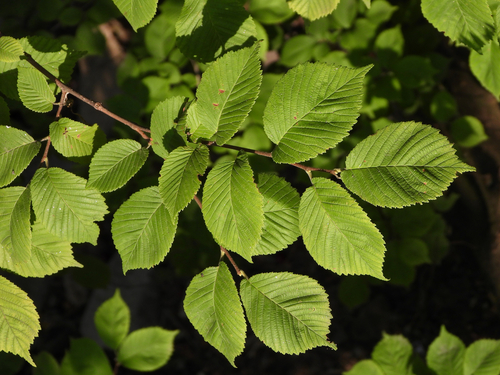
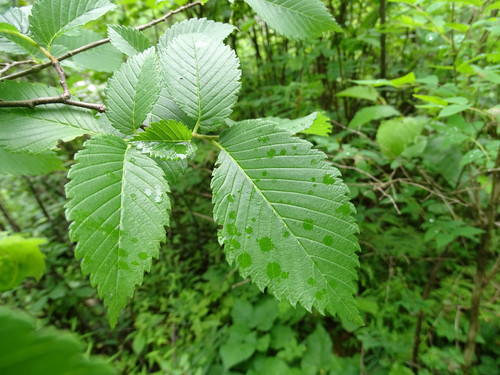
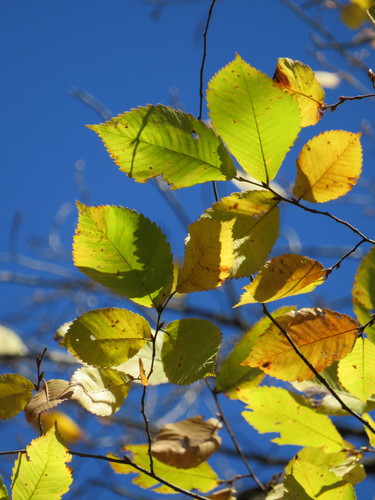
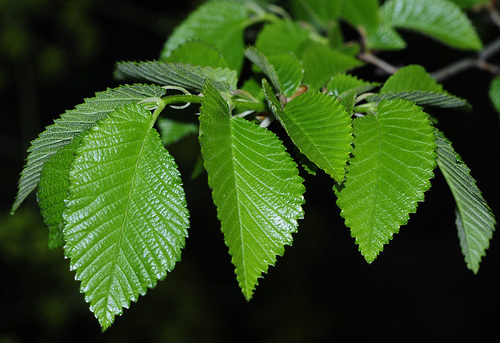
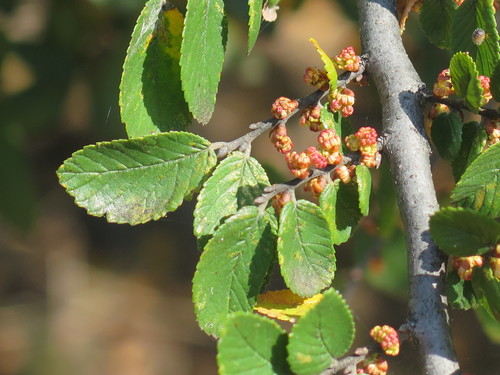
Ulmus crassifolia Nutt., commonly known as cedar elm, is a medium to large deciduous tree growing 24–27 m tall with a rounded crown. Its leaves are small, 2.5–5 cm long by 1.3–2 cm broad, with an oblique base, which distinguishes it from Ulmus serotina, a species it readily hybridizes with in the wild. Leaf fall occurs late, often in early winter. The tree produces wind-pollinated apetalous perfect flowers in late summer or early fall. These flowers are small, inconspicuous, reddish-purple, and hang on slender stalks one-third to one half inch long. The fruit is a small winged samara 8–10 mm long, downy on both surfaces when young, and matures quickly after flowering in late fall. U. crassifolia is extremely rare in cultivation in Europe and Australasia. Specimens were supplied by the Späth nursery of Berlin starting from the late 19th century. Henry (1913) and Bean (1988) note that the species does not thrive in northern Europe, where its branchlets often die back. Three trees supplied by Späth to the Royal Botanic Garden Edinburgh in 1902 labeled as U. crassifolia may still survive in Edinburgh, as the garden had a practice of distributing trees around the city, similar to the case of the Wentworth elm.