About Typha domingensis Pers.
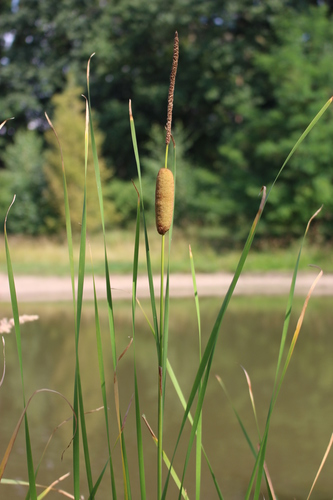
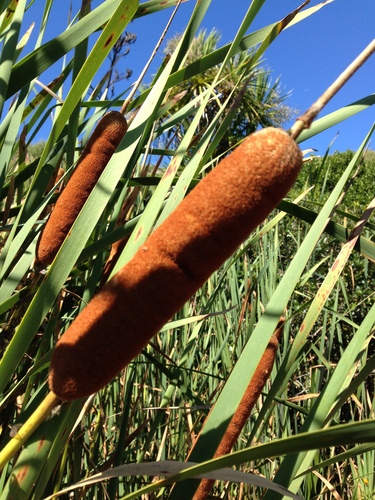
Typha domingensis Pers., commonly known as southern cattail or cumbungi, is a perennial herbaceous plant in the genus Typha. It occurs throughout temperate and tropical regions across the world. It sometimes grows as a subdominant associate plant in mangrove ecosystems, including the Petenes mangroves ecoregion of Yucatán. In the Mesopotamian Marshes of southern Iraq, the pollen of this plant is used to make a dessert called Khirret. In Turkish folk medicine, female inflorescences of this plant and other Typha species are used externally to treat wounds like burns. Studies in rat models have confirmed that extracts of T. domingensis have wound healing properties. Water extracts from the fruit, female flower, and male flower of Typha domingensis show both iron chelating activity, and superoxide and nitric oxide scavenging activities. Only extracts from the fruit and female flower have been found to have alpha-glucosidase inhibitory activity. A partially purified, proanthocyanidin-rich butanol fraction from the fruit acts as a competitive inhibitor of alpha-glucosidase, and also has simultaneous antioxidant activity. Recent research has found that Typha domingensis is very effective at reducing bacterial contamination in agricultural water. This plant can reduce pollution from disease-causing enterobacteria, which usually live in the intestines of mammals, by up to 98 percent.