About Tursiops aduncus (Ehrenberg, 1833)
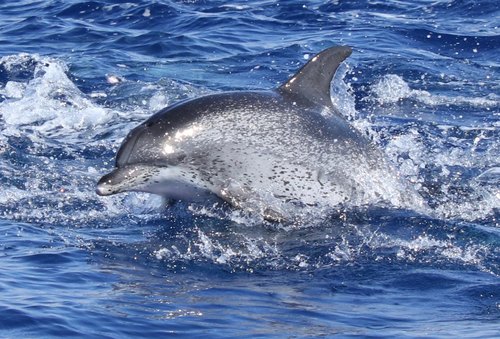
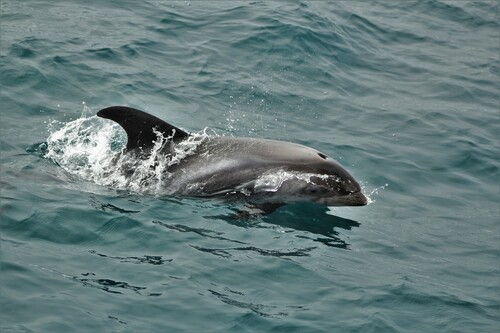
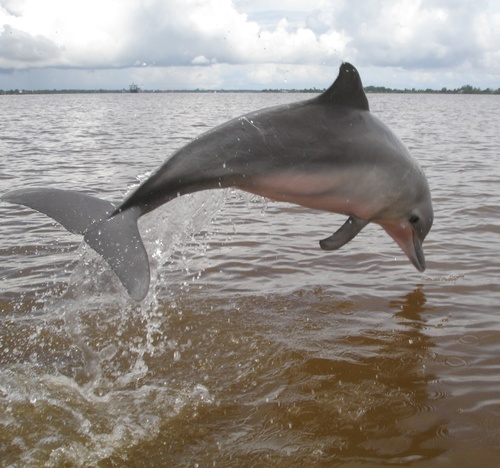
Indo-Pacific bottlenose dolphins (scientific name Tursiops aduncus (Ehrenberg, 1833)) are very similar in appearance to common bottlenose dolphins, but they have a number of distinguishing physical traits. Common bottlenose dolphins have a moderately strong body, a moderate-length beak, and tall, curved dorsal fins. In contrast, Indo-Pacific bottlenose dolphins have a more slender overall body build, with a longer, more slender beak. This species also tends to have a somewhat lighter blue body color, a generally more distinct cape, and a light spinal blaze that extends below the dorsal fin. The clearest distinction between the two species, which is not always present, is the presence of black spots or flecks on the bellies of adult Indo-Pacific bottlenose dolphins; these markings are very rare in common bottlenose dolphins. Indo-Pacific bottlenose dolphins have between 23 and 29 teeth in each of their upper and lower jaws, and their teeth are more slender than those of common bottlenose dolphins. The size of Indo-Pacific bottlenose dolphins varies by geographic location. On average, adults of this species reach 2.6 m (8.5 ft) in length and can weigh up to 230 kg (510 lb). Newborn Indo-Pacific bottlenose dolphins measure between 0.84 and 1.5 m (2.8 and 4.9 ft) in length at birth. It has been claimed that the local population centered on Mikura-jima represents a distinct form or separate species.