About Trichopodus trichopterus (Pallas, 1770)
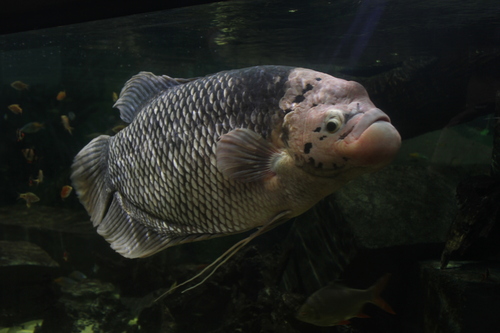
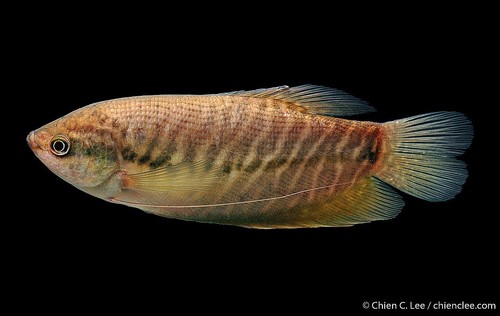
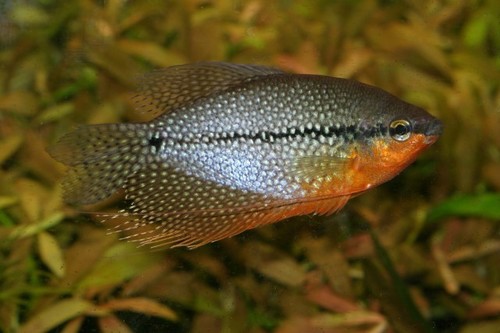
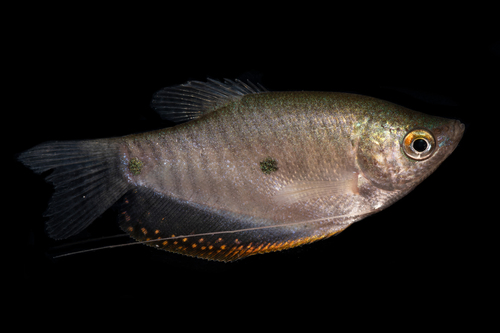
Trichopodus trichopterus, commonly called three spot gourami, is also known by the common names opaline gourami, blue gourami, and gold gourami. This fish species is native to southeastern Asia, and has also been introduced to regions outside its native range. Its common name three spot gourami comes from the two dark spots along each side of its body, with the eye counted as the third spot. In its native range, this species has minor commercial importance as a food fish, it is farmed for food, and it is also popular in the aquarium trade. Three spot gourami reach a standard length of up to 15 centimeters, or 5.9 inches. This species is native to standing or slow-moving freshwater habitats across southeastern Asia. Its native distribution extends from Yunnan, China, through mainland Southeast Asia including Cambodia, Laos, Malaysia, Myanmar, Singapore, Thailand and Vietnam, and reaches as far as Indonesia's islands of Java, Borneo and Sumatra. It has been widely introduced outside this native area, with established populations in places including the Philippines, India, Sulawesi, and southwestern Trinidad. Three spot gourami inhabit marshes, swamps, canals, and lowland wetlands. During the flood season, they migrate from permanent water bodies into seasonally flooded areas, such as the seasonally flooded forests of the middle and lower Mekong. When the dry season arrives, they return to their permanent water bodies. Their diet consists of zooplankton, crustaceans, and insect larvae. Males of this species build bubble nests for the species' eggs, and aggressively protect these nests.