About Tresus capax (A.Gould, 1850)
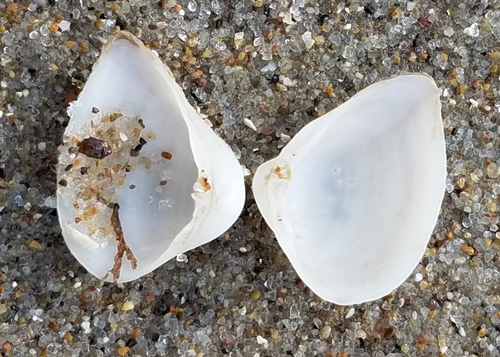
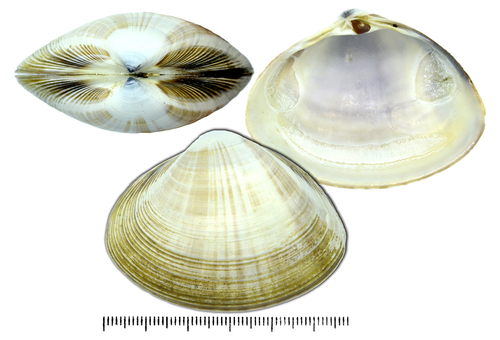
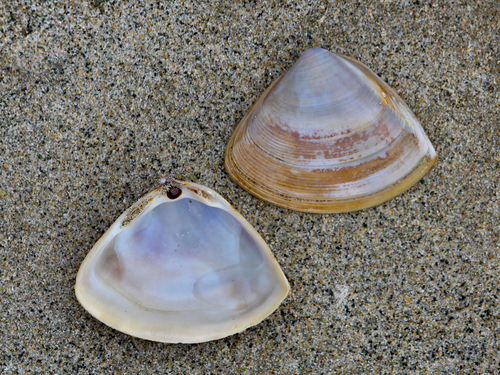
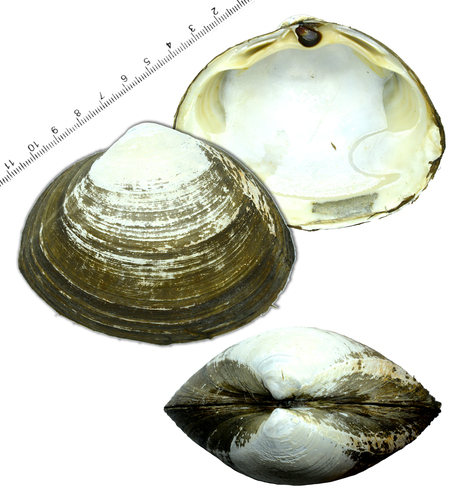
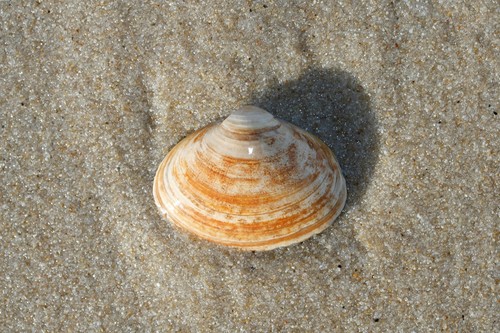
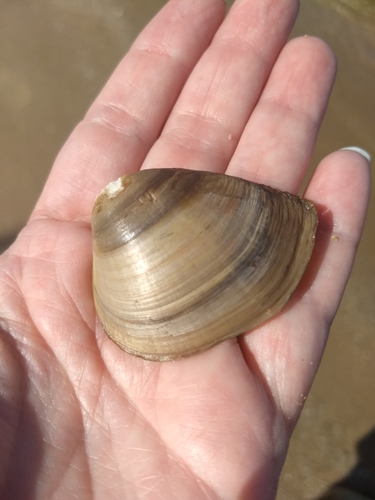
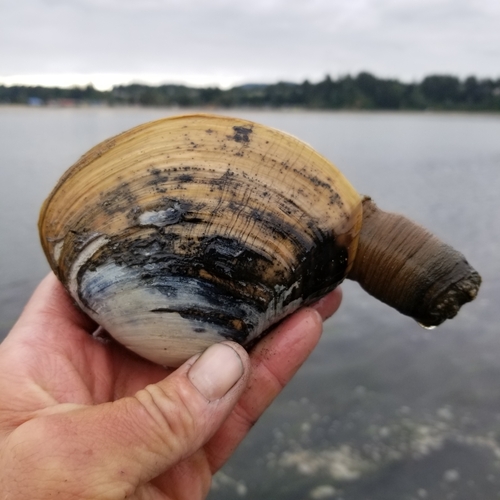
This species has the scientific name Tresus capax (A.Gould, 1850), commonly known as the fat gaper horse clam. For identification, it can be distinguished from the closely related Tresus nuttallii by shell shape: T. nuttallii typically has relatively longer, narrower shells (longer relative to height) and larger siphonal plates (horny plates located at the tip of the siphon, which often grow small algae or barnacles). These traits give T. capax its common name of fat gaper. Its habitat ranges from lower intertidal zones out to waters 15–18 meters (50–60 feet) deep. It prefers sand, mud, and gravel substrates, and usually buries itself 30–41 centimeters (12–16 inches) deep, making it much easier to dig than geoducks. Because T. capax shares preferred substrates with butter clams and littleneck clams, horse clams are often caught incidentally during commercial harvesting of these other species. Horse clams frequently host small commensal pea crabs Pinnixa faba, usually a mating pair, that enter through the clam's large siphon and live inside its mantle cavity. The crabs are easily visible, and they do not make the clam's meat unsafe to eat. T. capax has good-tasting meat that makes excellent chowder. Sport clam diggers in Washington tend to ignore this species, but sport diggers in Oregon do not pursue it less. Like geoducks, horse clams are broadcast spawners: T. nuttallii spawns in summer, while T. capax spawns in winter. Pre-contact local Native Americans valued this species for its large size, high abundance, and relatively easy capture. Today, it is less sought after than geoducks, which have developed a high-status marketing reputation. Correct species identification is important, as the best preparation methods differ between the two horse clam species. For resource sustainability, the Washington State Department of Fish and Wildlife enforces size and bag limits for these clams. The Washington State Department of Health sometimes closes clam beaches for public health and safety, and the Department of Health Marine Biotoxin website publishes current closure information. King County provides a well-illustrated procedure for clam identification. Some clammers do not find horse clams as tasty as other clam species, so it is common to find uncollected horse clams left behind on beaches during clamming season. Horse clam shells are more fragile than they look, so it is critical to avoid damaging the shells when digging any clams you do not plan to keep. Any damaged or abandoned horse clams will die quickly. Adult horse clams cannot rebury themselves on their own: they need the pressure of surrounding sediment to stay intact and move, and they cannot close their two large valves to protect their soft tissues. Responsible clammers carefully rebury any unkept horse clams to the same depth they were found originally.