About Trachyzelotes pedestris (C.L.Koch, 1837)
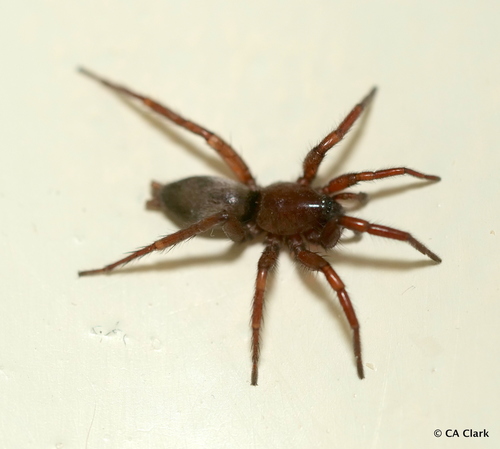
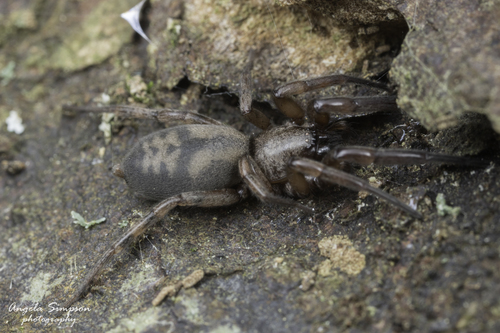
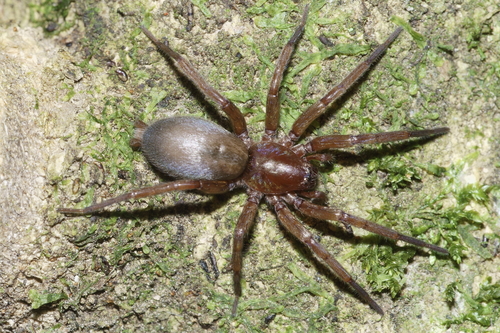
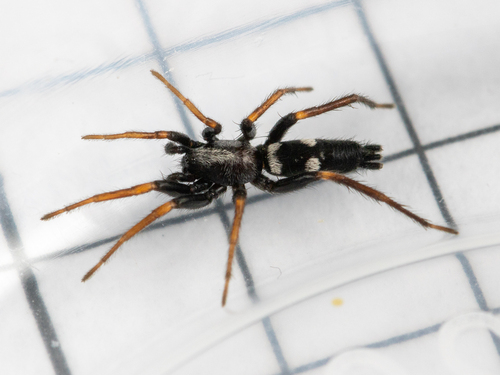
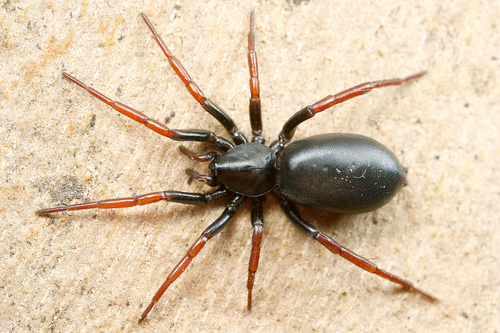
The embolus of Trachyzelotes pedestris points along the longitudinal axis of the palpal organ. The epigyne has a distinct median plate. The prosoma ranges in color from dark rust brown to brown-black. The front surface of the chelicerae is densely covered in spines. Legs are light yellow to orange, with darker femurs. Males have a dark brown scutum on the opisthosoma. Males measure 4.5–6 mm in body length, while females measure 6.6–9.4 mm. In Britain, this species is restricted to southern Britain, found only south of a line connecting Norfolk to Herefordshire. It is widespread across western and central Europe, ranging as far north as Sweden and as far south as the Czech Republic. Confirmed European countries where it occurs include: Austria, Belgium, Britain, Bulgaria, Croatia, Czech Republic, Denmark, Estonia, France, Germany, Greece, Hungary, Italy, Latvia, Liechtenstein, Macedonia, the Netherlands, Poland, Portugal, Romania, Sicily, Slovakia, Slovenia, Spain, Sweden, Switzerland and Ukraine. Trachyzelotes pedestris most commonly inhabits chalk and limestone grassland, where it is often found under stones in fairly open terrain. In Essex, it occurs on dry south-facing grasslands, landslip areas, and at the base of sea walls. It has occasionally been recorded in open sandy areas on Breckland heaths. P. Merrett documented one accidental occurrence in a kitchen sink, with limestone grassland located nearby. This species deposits its egg-sacs under stones. Adults of both sexes are recorded between May and August, with most records falling in June.