About Toxorhynchites speciosus (Skuse, 1889)
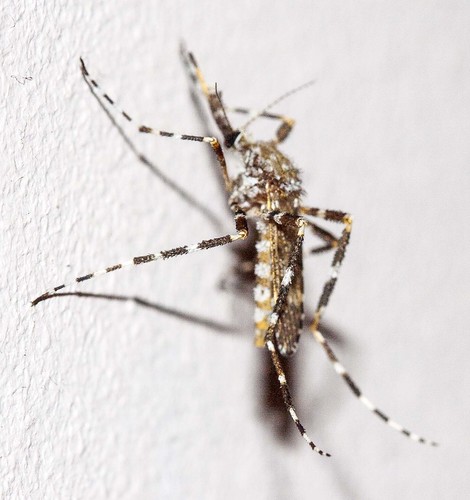
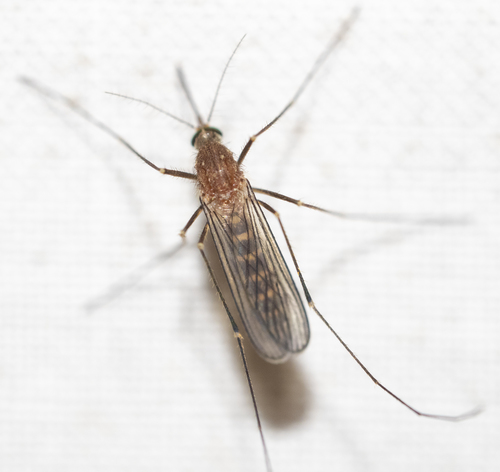
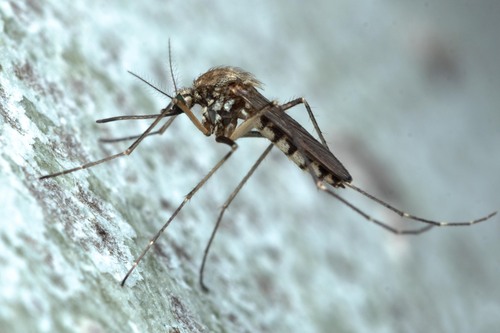
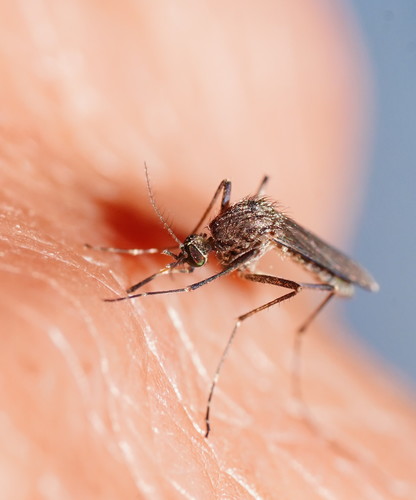
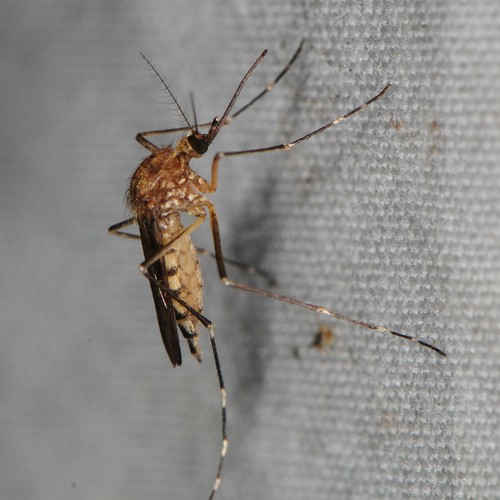
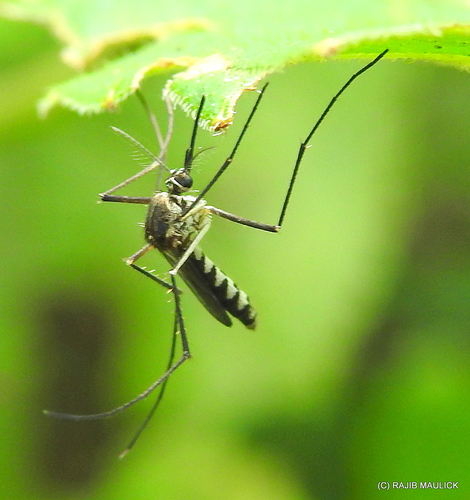
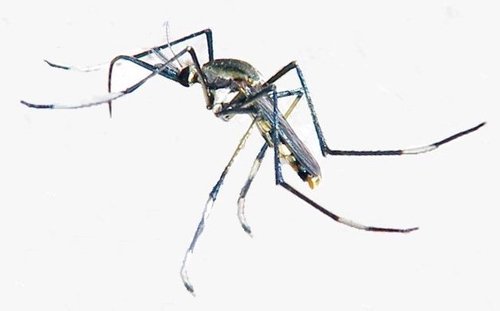
Toxorhynchites speciosus is one of the largest known mosquito species. Adult individuals can reach a maximum body length of 18 mm, with a wingspan of up to 24 mm. Adults have a striking dark metallic body marked with bright contrasting patterns. Their proboscis is bent and recurved, an adaptation that lets them feed on plant resources instead of blood. This species is distributed along the coastal regions of Australia, ranging north from Sydney in New South Wales through Queensland and into the Northern Territory. It survives well in both urban and forested environments. Toxorhynchites speciosus larvae develop in a wide range of water-holding containers, which include tires, tree holes, rock pools, bromeliads, bird baths, and flower pots. These habitats often overlap with the habitats of other mosquito species, providing abundant prey for the predatory larvae of this species. The life cycle of T. speciosus has four distinct stages: egg, larval, pupal, and adult. Females lay white or yellow eggs on the surface of water, and these eggs hatch between 40 and 60 hours after being laid, with hatching time dependent on water temperature. The larvae are voracious predators that hunt and eat the larvae of other mosquito genera, including Aedes and Culex. A single larva can consume hundreds of prey individuals over the course of its development. After completing the pupal stage, adult T. speciosus emerge and feed on nectar, honeydew, and other carbohydrate-rich plant substances. The larvae of T. speciosus fill an important ecological role by preying on the larvae of pest mosquito species, including species that carry human diseases such as dengue and West Nile virus. This natural predatory behavior makes T. speciosus a promising candidate for biological mosquito control. Research has shown that T. speciosus works effectively when paired with the copepod Mesocyclops aspericornis. The two predators are compatible, and together they reduce larval populations of Aedes notoscriptus and Culex quinquefasciatus in tire habitats in Queensland. While T. speciosus has been found associated with Aedes albopictus (tiger mosquito) larvae in some contexts, A. albopictus is not native to Australia, even though it has been detected in some Australian areas. In the species' natural Australian range, native mosquitoes such as A. notoscriptus are the more ecologically relevant prey for T. speciosus. Additional research has confirmed that T. speciosus has broader potential for biological control targeting Aedes mosquito vector species.