About Tolype velleda (Stoll, 1791)
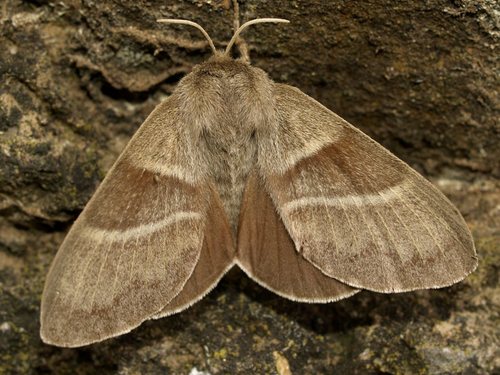
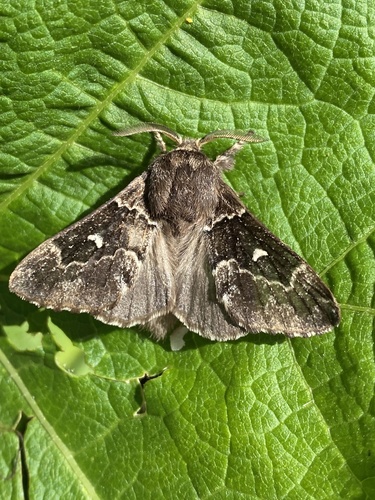
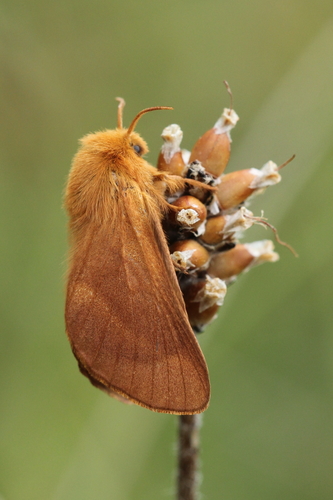
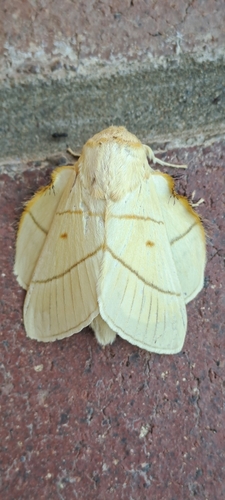
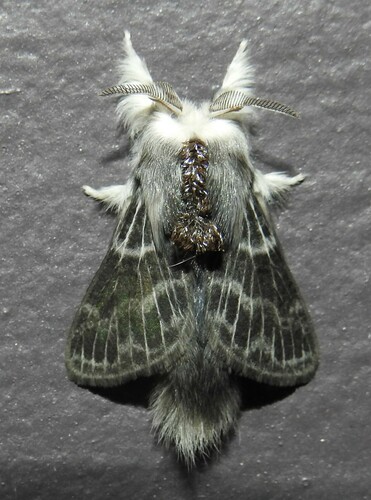
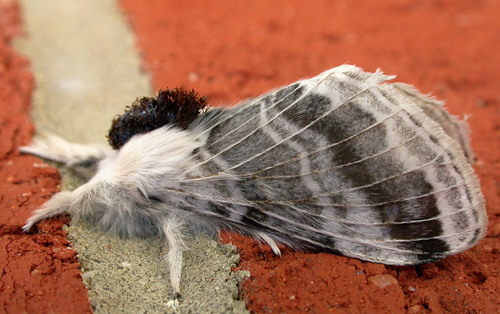
Tolype velleda, commonly known as the large tolype moth or velleda lappet moth, is a moth species belonging to the family Lasiocampidae. It was first described by Caspar Stoll in 1791. In North America, this species ranges from Nova Scotia south to central Florida, west to Texas, and north to Ontario; it is also found in California's mountains. Outside of the United States, it occurs in low-elevation and coastal areas of the Iberian Peninsula, and across North Africa from Egypt to Morocco's Atlantic coast. The wingspan of adult Tolype velleda ranges from 32 to 58 mm, and females are larger than males. When their wings are open, they appear dark gray with wavy bands crossing the wings. When their wings are closed, the white markings on the wings become less visible, but the overall pattern stays the same. Adults are active on wing from June to November, with one new generation produced each year. Larvae feed on a wide variety of broadleaf trees and shrubs, including species from the genera Malus, Fraxinus, Populus, Tilia, Fagus, Betula, Prunus, and Quercus. Common host plants for the species include apple, plum, cherry, apricot, almond, birch, poplar, oak, beech, and citrus trees. Tolype velleda larvae can be identified by their dull gray color, and a flap on their prolegs that disappears as the larvae mature. Larvae are active and can be found from June to August, and they feed most actively during the summer months. Females lay their eggs on the leaves of host plants.