About Tliltocatl vagans (Ausserer, 1875)
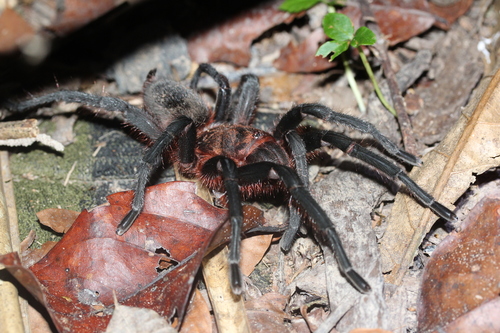
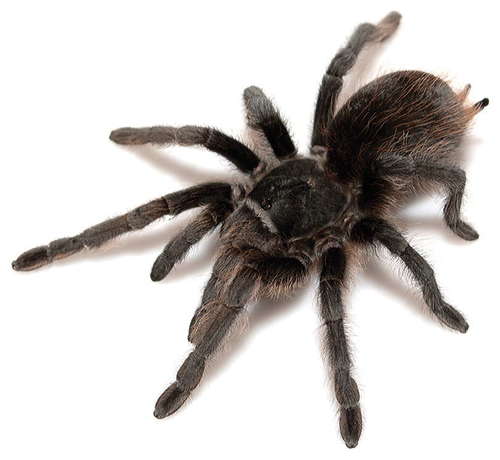
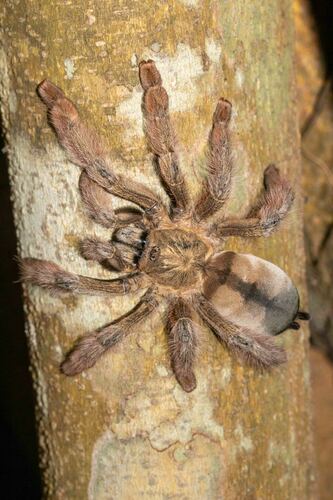
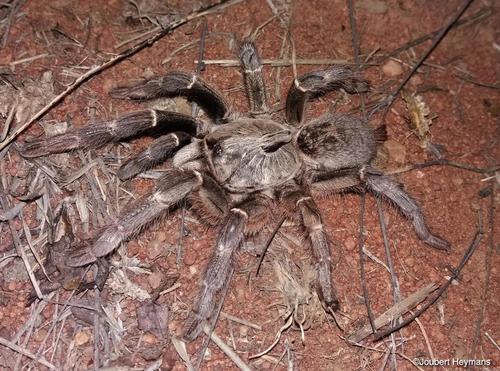
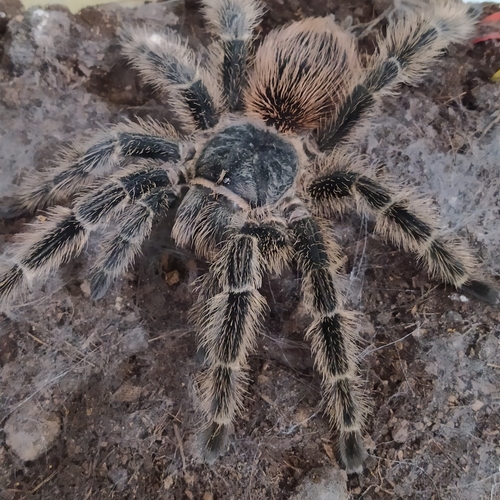
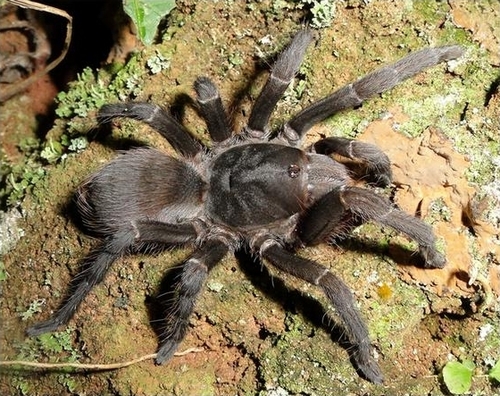
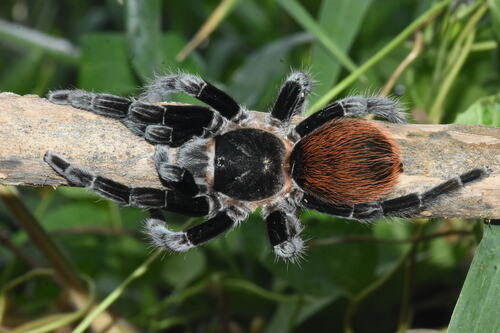
Tliltocatl vagans (synonym Brachypelma vagans) is a tarantula species commonly called the Mexican red rump. This name comes from the distinctive red hairs that cover its abdomen. It is predominantly distributed across Mexico, including the Yucatán Peninsula, and also occurs in Central America. In 1996, it was discovered in the wild in St. Lucie County, Florida, where it is now considered an established non-native species. It is thought to have been introduced to Florida through accidental or intentional releases of imported pet trade specimens, but its population in the area has been declining because many individuals consume pesticide-poisoned insects. These are terrestrial, burrowing spiders that prefer shrubland habitats. Like most tarantulas, they eat any prey they can overpower; their diet typically includes insects, and may also include small lizards and rodents. The species can reach a leg span of 6.5 inches, and males are generally smaller and thinner than females. The Ch'ol Maya people of traditional Mayan medicine regard these spiders positively and use them for medicinal purposes. A hierbatero kills the spider, crushes it, mixes it with spirit alcohol, and strains out any irritating hairs with a traditional cloth. The resulting beverage is used to treat "tarantula wind", which has symptoms of chest pain, coughing and asthma. The venom peptide GsMtx-4 from this species is currently under investigation for potential use in treating cardiac arrhythmia, muscular dystrophy and glioma.