About Tityus silvestris Pocock, 1897
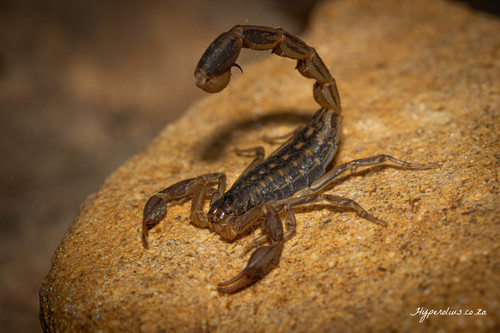
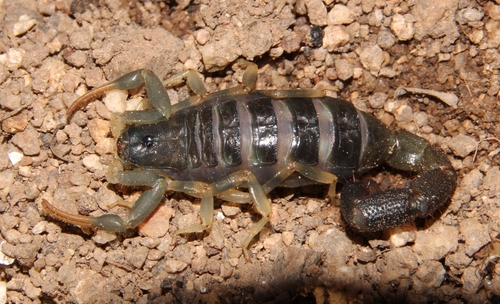
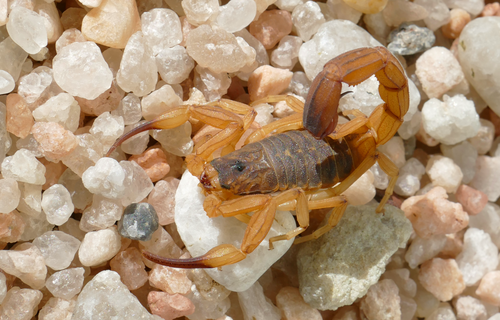
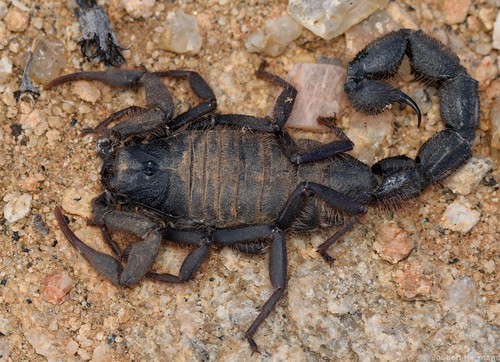
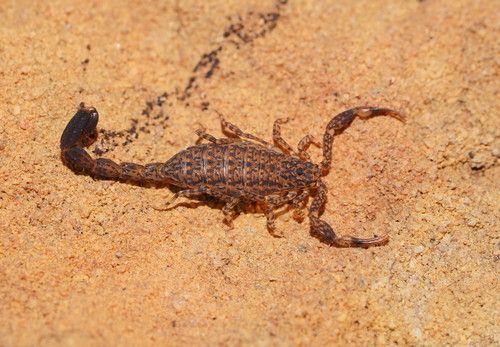
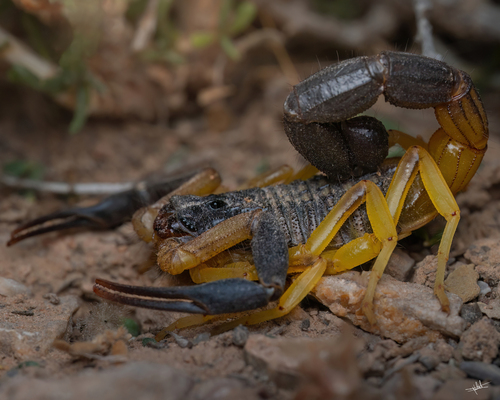
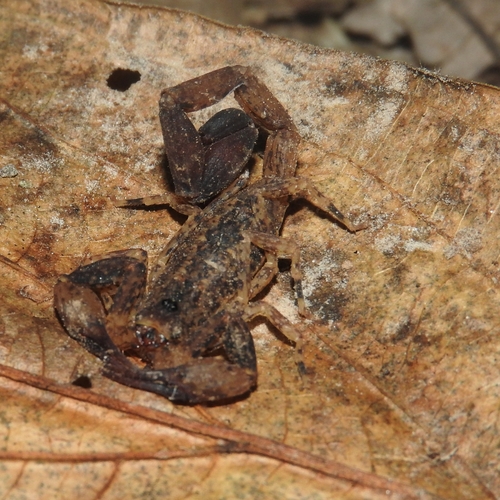
Tityus silvestris Pocock, 1897 is one of the smallest species in the Buthidae family, with an adult body length between 25 and 45 mm. It has a yellowish body marked with several dark spots, while its tail and telson are darker than the rest of the body. This species displays sexual dimorphism. It is found in northern South America, specifically in French Guiana and the Brazilian states of Amazonas and Para, where it inhabits tropical forests. It is thought to feed on crickets and cockroaches. Previously, this species was not considered capable of causing serious human envenomation. However, one recorded case involved a 39-year-old man who was stung by Tityus silvestris and reached a hospital three hours after the incident, initially presenting only with pain and paraesthesia. Two hours after arriving at the hospital, the patient developed breathing difficulty, tachycardia, hypertension, and muscle spasms. His condition worsened, requiring hospitalization, and he was discharged seven days after the sting. This confirmed that Tityus silvestris has medical significance as a species that can cause severe stings in humans.