About Tityus pachyurus Pocock, 1897
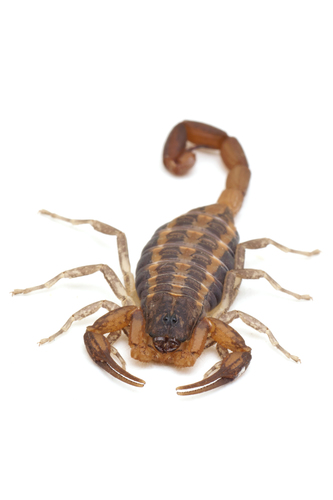
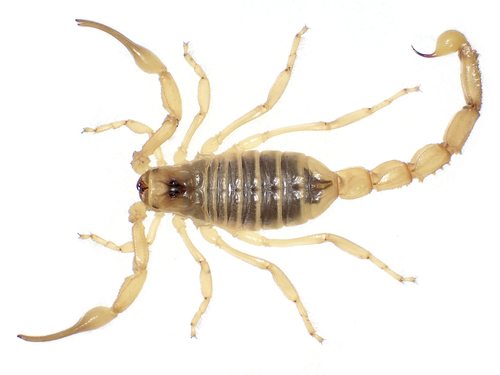
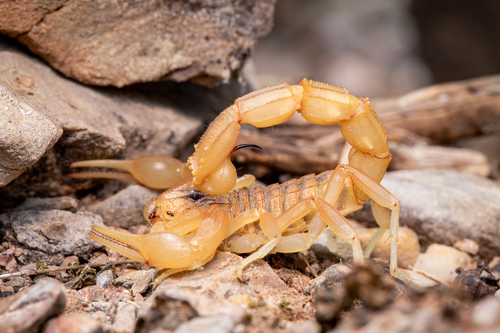
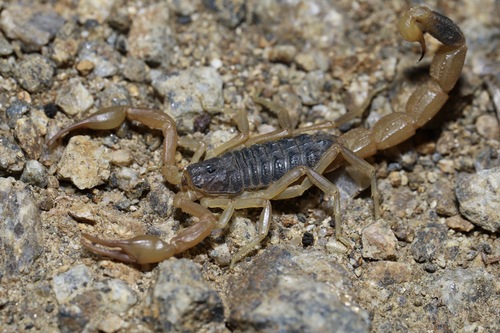
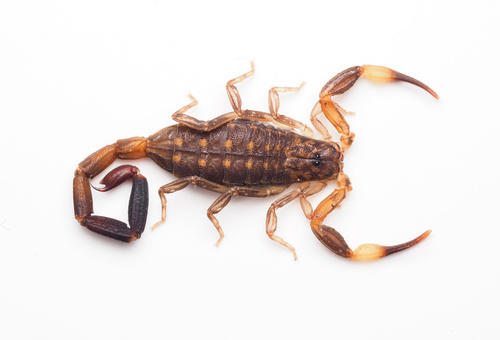
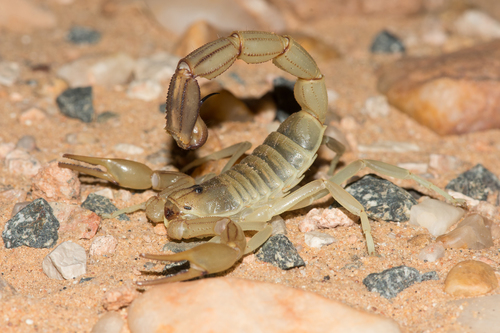
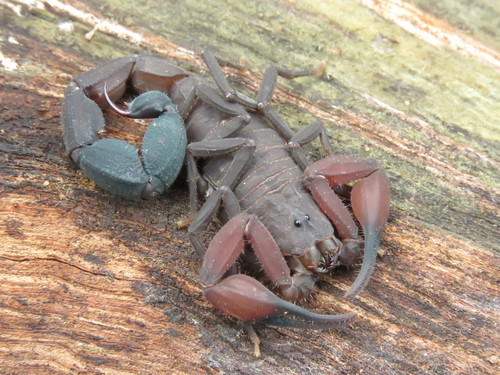
Tityus pachyurus Pocock, 1897 is a scorpion species that reaches 6 to 9 cm in total body length. This species has reddish pedipalps, while the fourth and fifth post-abdominal segments are dark in color and thicker than other segments. Its diet consists primarily of tenebrionid beetle larvae and cockroaches. Tityus pachyurus is distributed across Central America (Costa Rica and Panama) and South America (Colombia). In Colombia, it occurs specifically in the departments of Antioquia and Chocó. It is most commonly found in tropical forests, urban areas, and sites with high levels of tourist or industrial activity. Like most scorpion species, Tityus pachyurus is nocturnal. Tityus pachyurus has major medical significance: it is responsible for the most severe scorpion stings recorded in Central America and Colombia, including stings in children. One confirmed fatal case was documented in a 12-year-old boy in Colombia. After being stung in the thigh, the boy experienced significant local pain, and the envenomation rapidly progressed to systemic effects including myocardial dysfunction, cardiovascular collapse, cardiac arrest, and pulmonary edema. This species has a median lethal dose (LD50) of 4.8 mg per kg of body weight. Its venom is classified as one of the most toxic among scorpions, and Tityus pachyurus stings cause the highest percentage of hospital admissions for scorpion envenomation in Colombia. Common symptoms of envenomation by this species include tachycardia, diaphoresis, tachypnea, cyanosis, hypertension, and bradycardia. Severe cases with cardiovascular compromise may also develop cardiac arrest and pulseless ventricular tachycardia.