About Tilia amurensis Rupr.
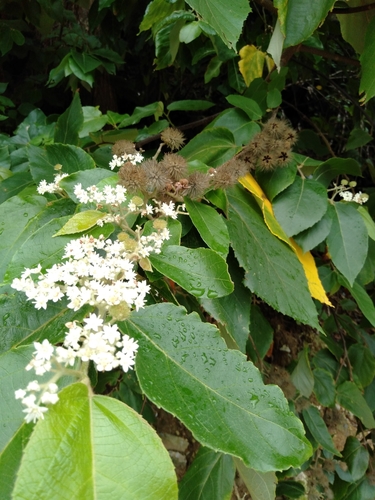
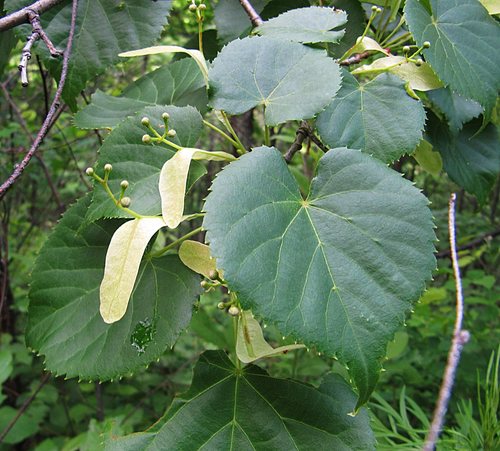
Tilia amurensis Rupr. is a medium-sized shade tree that can reach up to 30 meters (98 feet) in height. It looks very similar to Tilia japonica, differing only in the size of its leaves and bracts, and having a shorter cyme. This species is hermaphrodite, meaning each of its flowers contains both male and female reproductive organs, and it is primarily pollinated by insects. Tilia amurensis grows best in fertile, well-drained loam soil with medium moisture levels. It can adapt to a range of different soil conditions, and tolerates urban environments well. It is commonly found growing in mixed forests across China, North Korea, South Korea, Russia, and northeast Siberia. The leaves of Tilia amurensis typically begin to emerge between late spring and early June. In regions with mild winters, early leaf emergence often leaves the tree vulnerable to severe frost damage. The tree generally lives around 50 years, and many individuals live much longer when properly maintained and kept free of disease. Tea made from the leaves of Tilia amurensis has antispasmodic, diaphoretic, and sedative effects for medicinal use. Tilia amurensis is not commonly used as a food source. Its leaves are edible, but are only consumed as a famine food when no other better food options are available. A chocolate substitute can be made from a paste made of the tree's ground fruits and flowers, but this product has never become popular because the paste decomposes very quickly and easily.