About Thryophilus rufalbus (Lafresnaye, 1845)
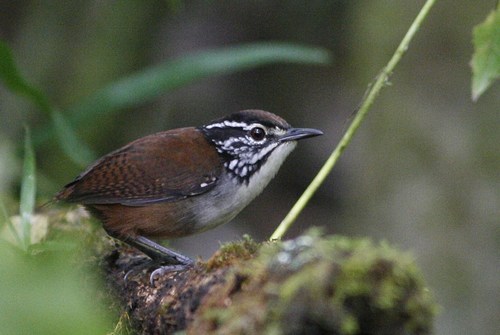
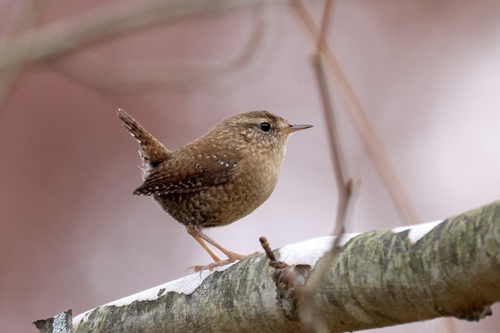
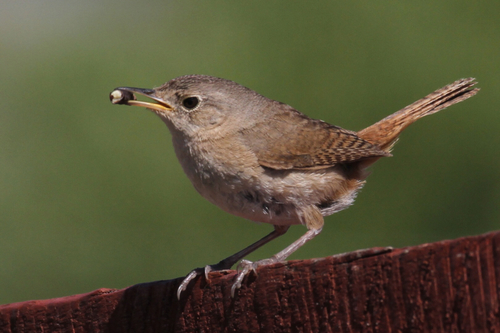
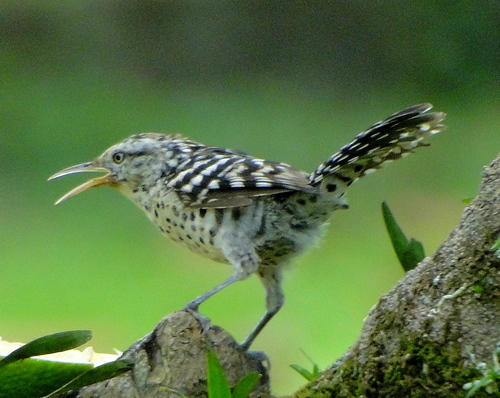
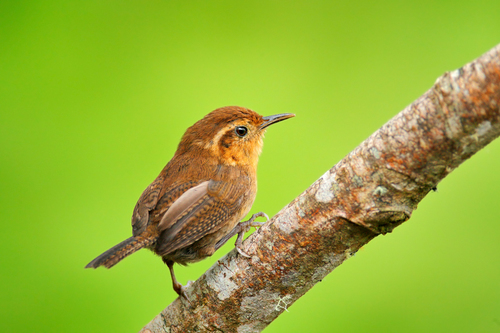
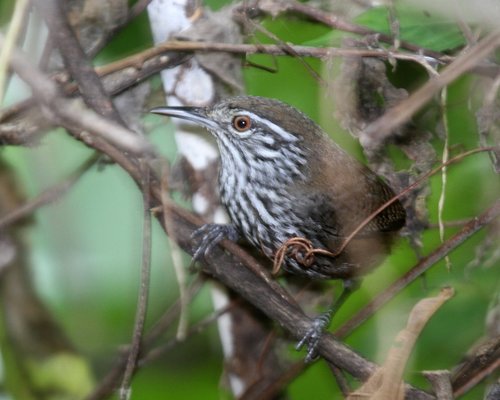
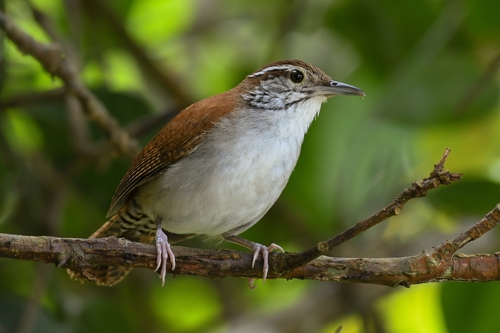
The rufous-and-white wren, Thryophilus rufalbus, is a small songbird that belongs to the wren family. It is a permanent resident breeding species whose range extends from the extreme southwestern part of Mexico to northern Colombia and northwestern Venezuela. It was formerly classified within the genus Thryothorus, per Mann et al., 2006. This relatively large wren breeds in lowlands and foothills ranging from sea level up to 1,500 m (4,900 ft) in altitude, in dry forests or more open scrubby woodland in wetter regions. In Central America, it occurs mainly on the Pacific side of the central mountain ranges. It builds a flask-shaped nest 2–3 m (6 ft 7 in – 9 ft 10 in) high in a tree or shrub. Only the female incubates the clutch of three or four greenish-blue eggs; hatching occurs after around two weeks of incubation, and the young leave the nest around another two weeks after hatching. Adult rufous-and-white wrens measure 14–15 cm (5.5–5.9 in) in length and weigh 22–25 g (0.78–0.88 oz). They have chestnut brown upperparts with a darker crown, a prominent white supercilium, a brown stripe running through the eye, and black streaking on the cheeks. Their underparts are white, with black barring on the lower belly and brown flanks. Their wings and tail are marked with black barring. Juvenile birds have duller upperparts and underparts with a buff tinge. The subspecies T. r. minlosi, found in the Andean foothills of Venezuela, has a greyish tinge on its crown and underparts. The call of this species is a sharp chek or an explosive tuck. Its song is a melodious and highly distinctive sequence of slow hooting whistles, for example weee, boo, boo, booo, boo, whit. Pairs may sing duets, with the second bird responding with a purring ou-ou-ou-oouu,u,u,u. The rufous-and-white wren forages actively in low vegetation or on the ground in pairs. It is a shy species that is more often heard than seen. Its diet consists mainly of insects, spiders, and other invertebrates. During an El Niño-related food shortage, rufous-and-white wrens were observed killing the nestlings of southern house wrens; this behavior may occur to reduce competition for resources.