About Thecadactylus rapicauda (Houttuyn, 1782)
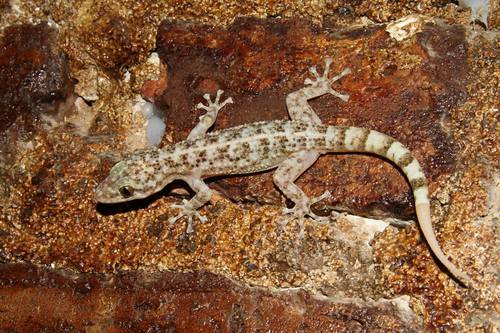
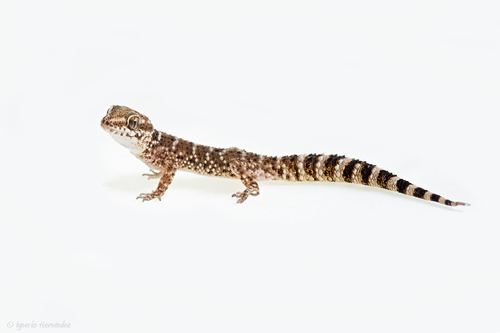
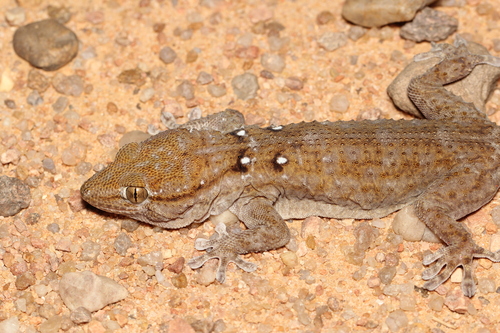
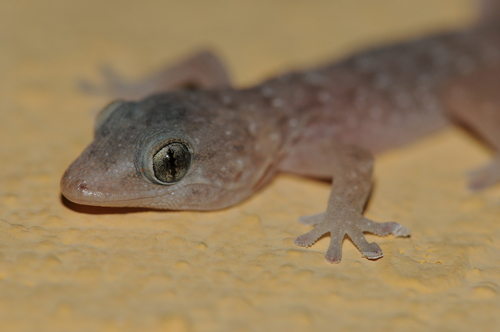
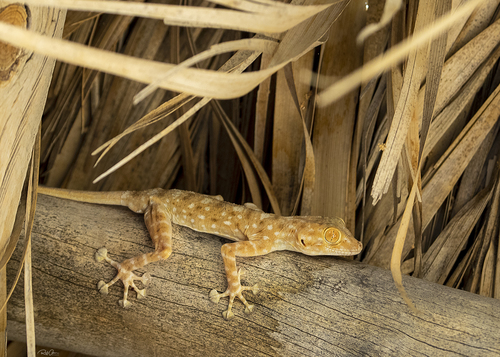
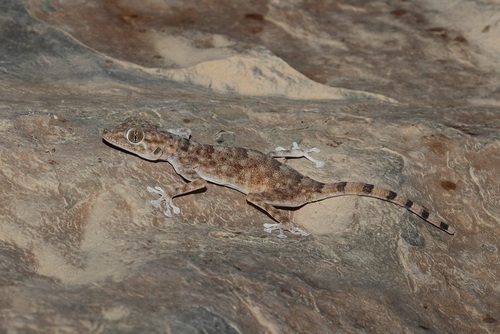
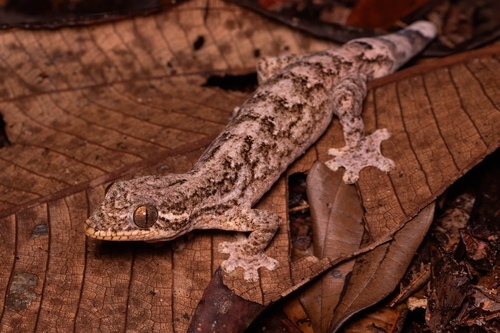
The turnip-tailed gecko (Thecadactylus rapicauda) is a species of gecko with a wide distribution: it ranges from Mexico south through Central America into South America, reaching as far south as Brazil, and also lives on many islands in the Lesser Antilles. For a long time, this species was considered the only member of its genus, until the species T. solimoensis was described in 2007. This is a large gecko, with a snout-to-vent length of up to 120 mm. Its body color can vary, ranging from pale gray to dark gray, or even deep orange, and individual geckos are capable of changing their body color. They can produce a series of vocal chirps, and they most often vocalize while active at night. The species gets its common name from its swollen tail, a structure that the gecko uses to store fat. The gecko waves its tail to signal aggression, and can also shed its tail to distract predators. This species is nocturnal, and individuals are frequently found between 5 and 30 feet up the trunks of palm trees.