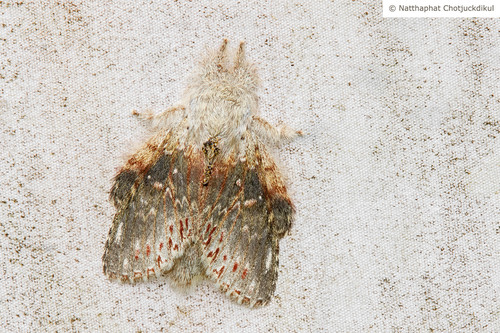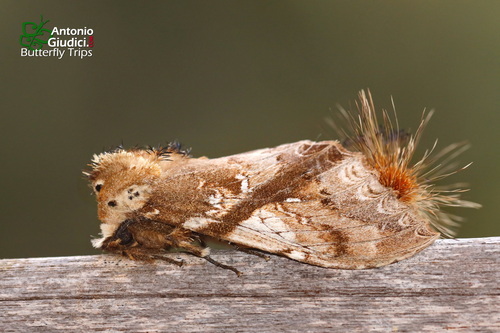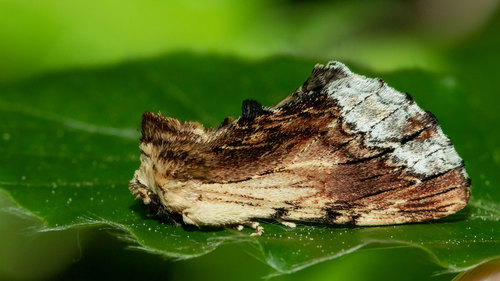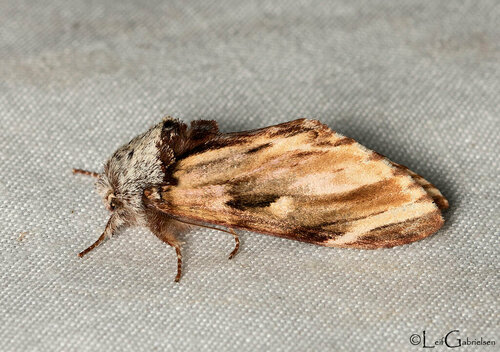
About Thaumetopoea processionea Linnaeus, 1758
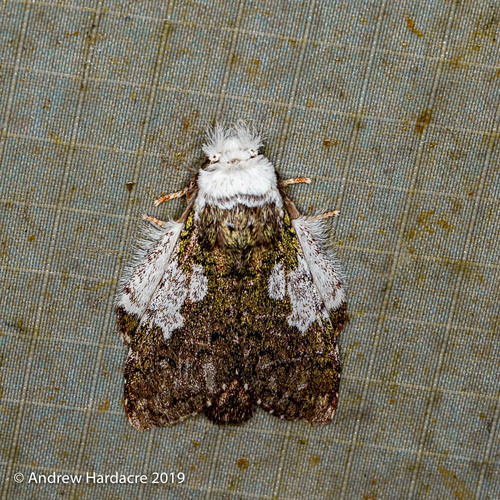
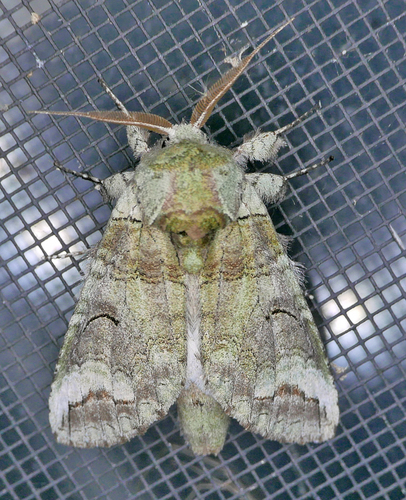
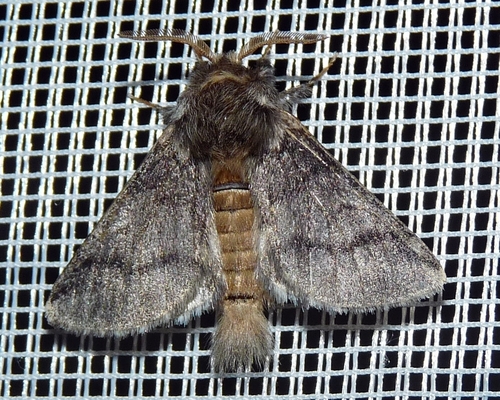
This species, Thaumetopoea processionea Linnaeus, 1758, has an adult moth wingspan ranging from 25 to 35 millimetres (0.98 to 1.38 in). The adult moths have a pattern of tan, brown, and white that makes them hard to spot against oak bark. Adults fly during July and August. The larvae build communal white silk nests, and crawl out at night in large, single-file head-to-tail processions to feed on tree foliage in tree crowns, then return the same way. While oak is their preferred food source, they will also feed on the leaves of hazel, hornbeam, sweet chestnut, birch, and beech. For identification: the caterpillars live and feed almost exclusively on oak trees. They may march in processions across the ground between oak trees, and cluster together when they feed on oak leaves. In early summer, they build silk nests on oak tree trunks and branches (they do not build nests in leaves), and leave silk trails along the trunks and branches. New nests and trails are white and visible, but quickly become discoloured and difficult to see. Nests can be hemispherical, teardrop-shaped, bag-like, or blanket-like, wrapping around part of a trunk or branch, and can occur at any height on the tree. Their diameter ranges from about 25 mm (one inch) to stretches of several meters up the trunk. Caterpillars remain in these nests during the day between feeding periods, and later in the summer they stay in the nests to pupate into adult moths. Caterpillars are mostly found on oak trees or on the ground under them in late spring and early summer, and do not live on structures like fences or walls like some other caterpillar species do. They have very long white hairs that stand out in sharp contrast to their shorter hairs. Caterpillars of several other species are often mistaken for the oak processionary. In terms of distribution, this moth is widespread across central and southern Europe, and is occasionally found as far north as Sweden. In southern European countries, natural predators control the moth population, but these predators are absent from northern Europe. The species' range is expanding northward, which is possibly at least partially due to global warming. Thaumetopoea processionea now has an established population in the United Kingdom. Its eggs arrived on imported oak brought to the Richmond and Ealing areas of London in 2006, and the species' range in the UK has expanded steadily even despite eradication efforts.