About Thalassarche bulleri (Rothschild, 1893)
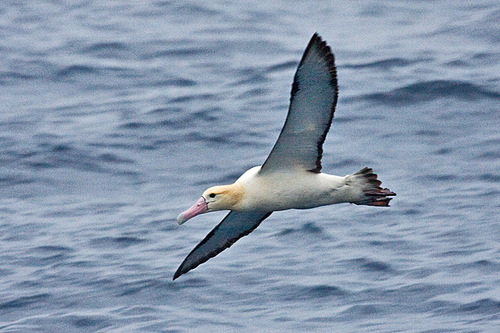
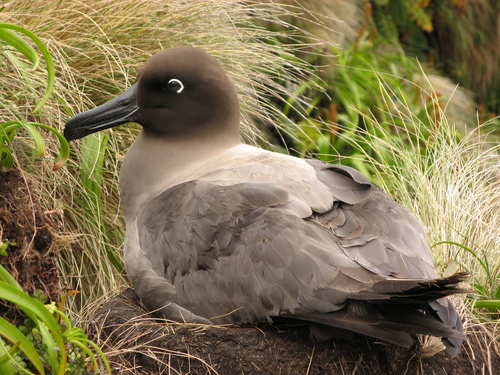
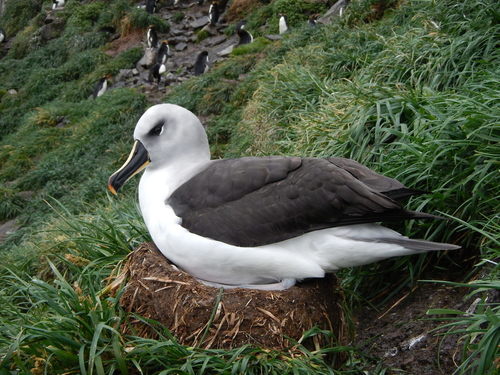
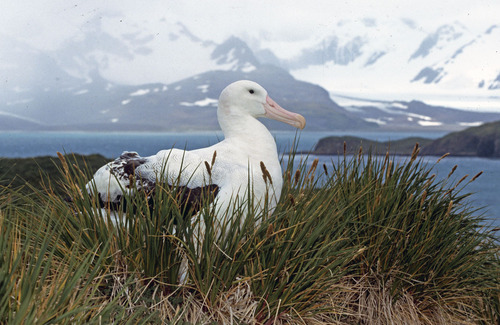
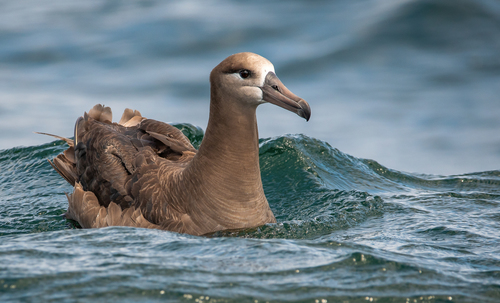
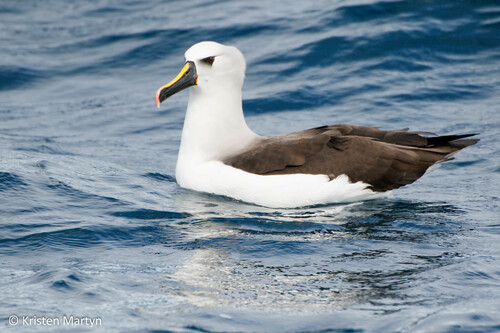
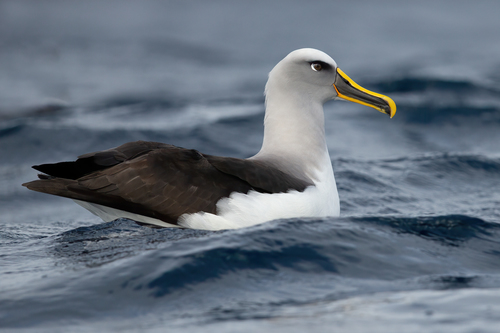
Buller's albatross, with the scientific name Thalassarche bulleri (Rothschild, 1893), averages 79 cm (31 in) in length. Adults have a silver-grey forehead, grey head and grey throat. They have a black patch surrounding each eye, with a white crescent behind and below the eye. Their back, upperwing, and tail are dark grey, while their rump and underparts are white. Their underwing is white with a black tip, and has a broad, sharply defined dark band along its leading edge. The large bill is black, with yellow coloring on the upper mandible and the tip. Juvenile Buller's albatrosses have a darker head and a brown bill. Buller's albatross is endemic to New Zealand. It breeds on the Snares Islands, Solander Island, the Chatham Islands (Big Sister, Little Sister, and Forty-fours Island), and Three Kings Islands (Rosemary Rock). Adult birds forage between 40°S and 50°S, from Tasmania to the Chatham Rise. Juveniles and non-breeding adults disperse across the South Pacific, and a number of these individuals feed annually in the Humboldt Current off the coasts of Chile and Peru. Buller's albatross breeds in colonies. Nests are generally built on cliffs, steep coastal terraces, grassy meadows, and hills covered in tussock. Birds breeding on the Snares Islands also nest under trees inland. The nest is a mound made of soil, grass, and roots, placed in depressions within the breeding area. Breeding activity begins in December. On the Snares Islands, eggs are laid in late January, around 21 to 23 January. Incubation lasts approximately 60 days, and both parents share incubation duties. The average length of an incubation shift for each parent is around 10 days. After hatching, chicks take 170 days to fledge. Buller's albatross breeds annually.