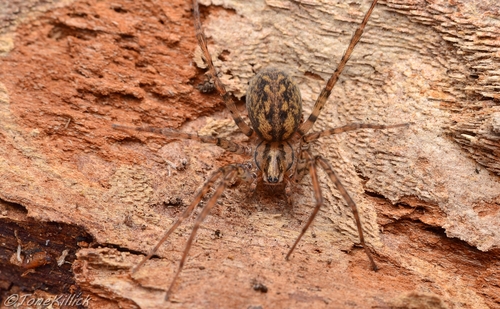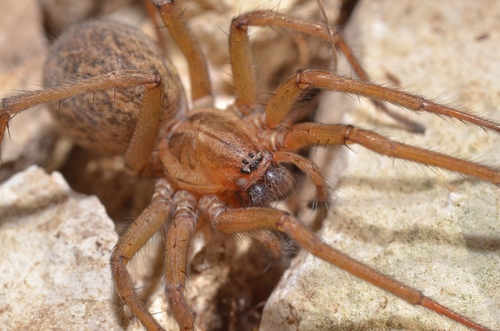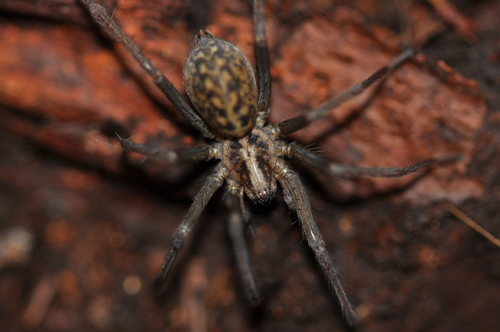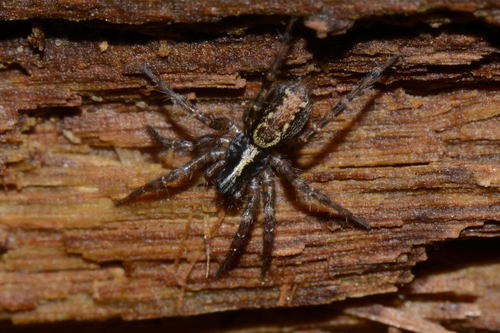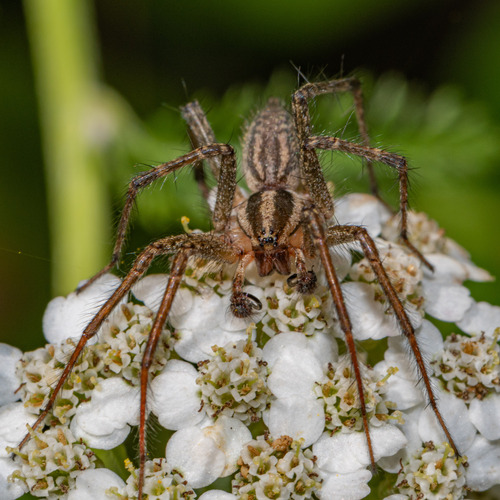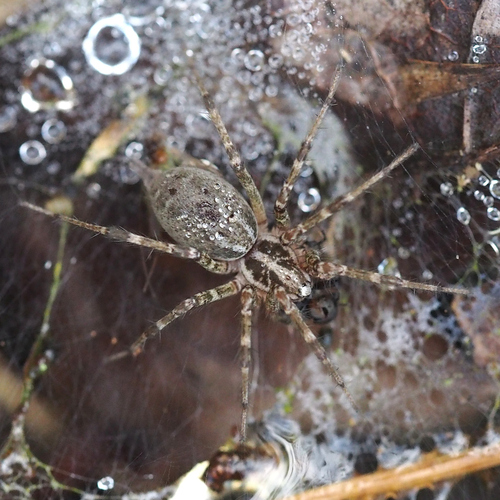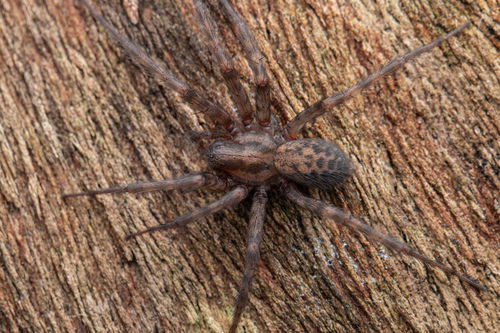
About Tegenaria domestica (Clerck, 1757)
The spider species Tegenaria domestica is commonly called the barn funnel weaver in North America and the domestic house spider in Europe. It is a member of the funnel-web spider family Agelenidae. Domestic house spiders have an almost worldwide distribution. Their native range covers Europe, North Africa, and parts of the Middle East and Central Asia. They have been intentionally or unintentionally introduced to the Americas, Australia, and New Zealand. Within Europe, this species occurs from as far north as Scandinavia down to Greece and the Mediterranean Sea, and it is included in the official checklist of Danish spider species. In North America, it ranges from the coastal regions of Canada in the north down to the Southern United States in the south. Young T. domestica spiders hatch from egg sacs and reach maturity within one year. Male populations reach their peak in the summer months of June and July, meaning mating most often takes place during this period. Males usually die in autumn shortly after mating, and very few live longer than one year. Like most spider species, male T. domestica are often eaten by females after mating. Females regularly survive through the winter into the following year if they are able to find a suitable sheltered spot to overwinter, and can produce multiple egg sacs. Females that live indoors usually live for one to two years on the same web. Some female T. domestica have been reported to live as long as seven years in undisturbed, temperate indoor locations such as attics, basements, cellars, and storage rooms.