About Tautogolabrus adspersus (Walbaum, 1792)
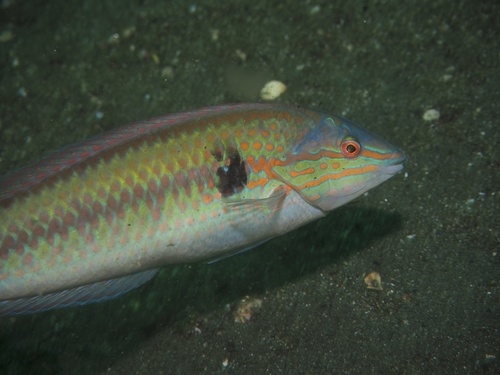
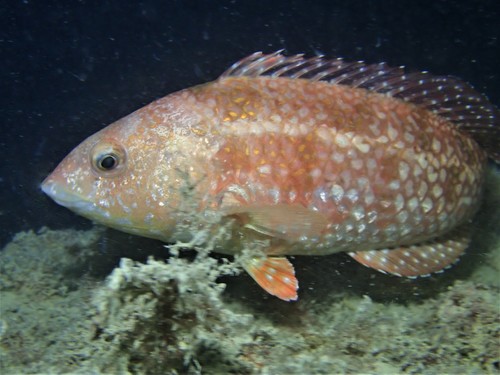
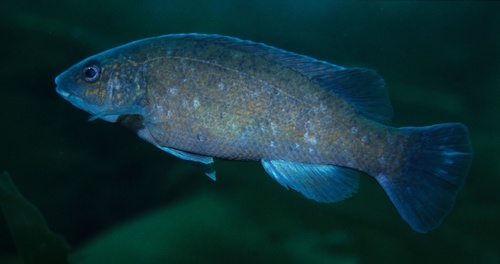
The cunner, whose scientific name is Tautogolabrus adspersus, is also commonly known as blue perch, bergall, chogset, choggie, conner, or sea perch. It is a wrasse species native to the northwestern Atlantic Ocean, with a range extending from the Gulf of St. Lawrence and Newfoundland down to the Chesapeake Bay. Cunners live in inshore waters close to the sea floor, at depths between 10 meters (33 feet) and 128 meters (420 feet). They prefer habitats that include seaweed beds, shipwrecks, or wharf pilings. During the winter, they stay inactive in a state of torpor under rocks. This species is also available in the aquarium trade. Cunners are often found living alongside and near the same structures as tautogs. Bergall (another name for cunner) that live among blackfish (another term for tautog) often feed on leftover scraps from the blackfish’s prey. Cunners can be told apart from tautogs by their pointed snouts, and they are generally smaller than tautogs. Anglers who catch cunners usually throw them back, mistaking them for undersized tautogs. In the past, this species was an important commercial fish, but it is now considered a pest. Like black sea bass, rockfish, other groupers, and tautog, cunners can change color, which often leads to them being confused with these other fish species. Cunner can enter a hypometabolic state when exposed to cold temperatures and hypoxic conditions. In Newfoundland, Canada, cunner have been observed entering this dormant state in autumn when water temperatures drop below 5°C, and they remain dormant until May or June. Tautogolabrus adspersus is the only currently recognized species in the genus Tautogolabrus. On May 26, 2019, the NJDEP Division of Fish and Wildlife officially certified a new New Jersey state record saltwater cunner catch. The record fish weighed 3 pounds 8.8 ounces, beating the previous state record by 6.4 ounces. It measured 18.5 inches long and had a girth of 13 inches.