About Tamarix aphylla (L.) H.Karst.
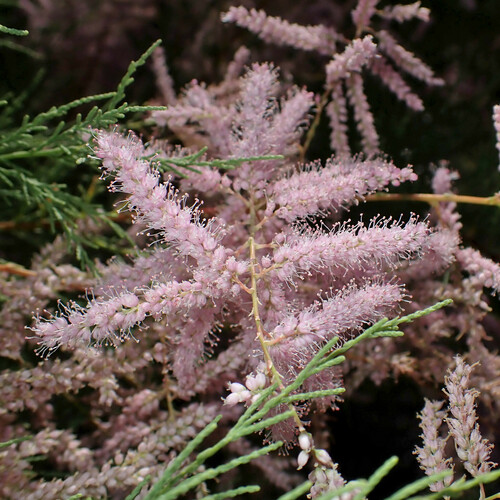
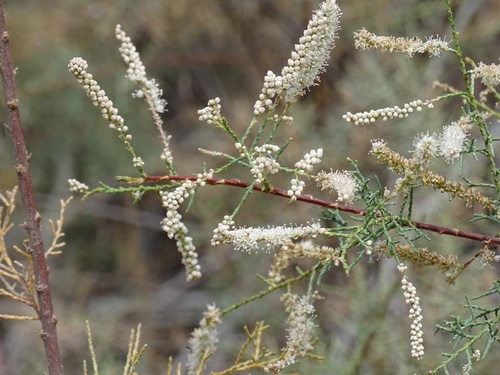
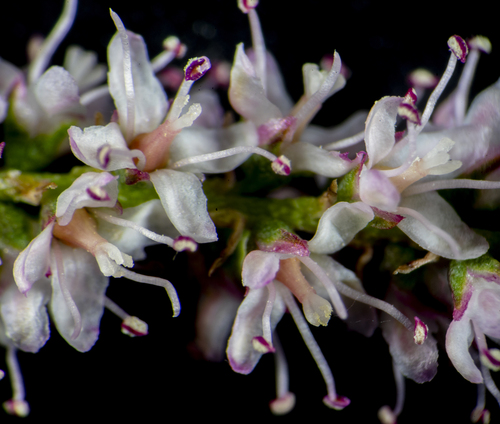
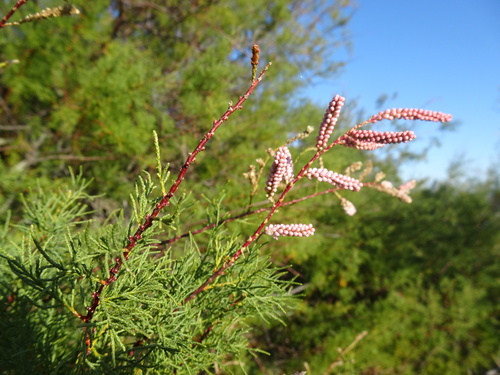
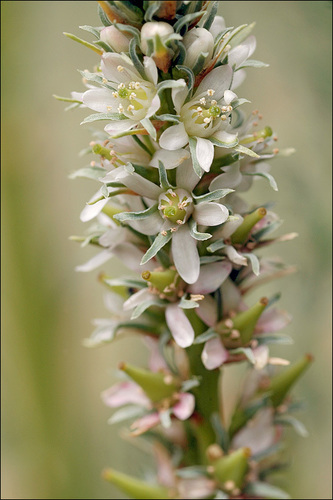
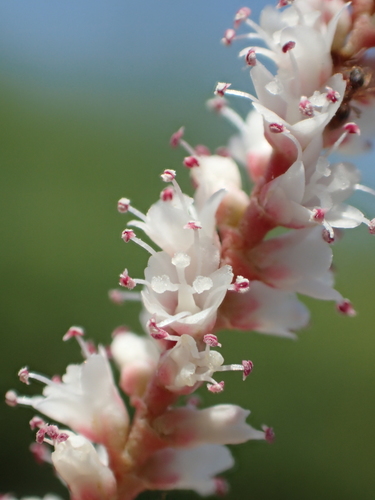
Tamarix aphylla (L.) H.Karst. grows as a tree reaching up to 18 metres (59 ft) in height. Its tiny leaves are alternately arranged along branches and exude salt; this salt can form a crusted surface layer, then drop onto the ground below. This species can reproduce via seed, suckering, or cuttings, and blooms from July through November. In arid regions, Tamarix aphylla occurs along watercourses. It is highly resistant to saline and alkaline soils. Its geographic range spans from 35°N latitude to 0°N latitude: extending east from Morocco and Algeria in North Africa to Egypt, south through the Horn of Africa into Kenya, and also covering the Middle East, Arabian Peninsula, and areas east through Iran into Pakistan, Afghanistan, and India. For decades, Tamarix aphylla has been used as a windbreak and shade tree in agriculture and horticulture, particularly in dry regions like the western United States and central and western Australia. Thanks to its strong adaptation to fire, it can be used as a fire barrier. Even when dry, its wood is difficult to burn, because the wood has an ash content of 30–40%, and its foliage has a high salt content. Unless its root-crown is destroyed, it usually regrows after a fire. Nectar from Tamarix aphylla blossoms produces high-quality honey with a unique flavor. Because the tree tolerates drought and salt, it can be planted as an agroforestry species and used to reclaim marginal lands. A new vegetative propagation method for this tree using aeroponics has recently been developed. Its wood, which has medium mechanical properties, is suitable for use in a range of applications.