About Talpa occidentalis Cabrera, 1907
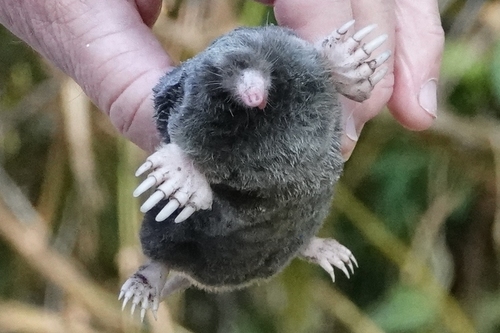
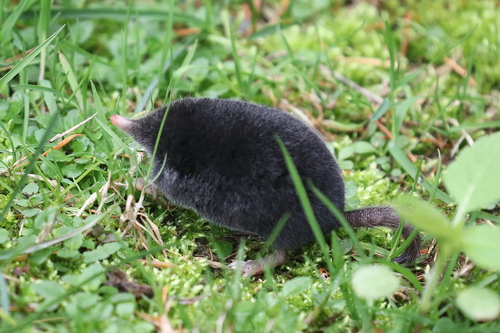
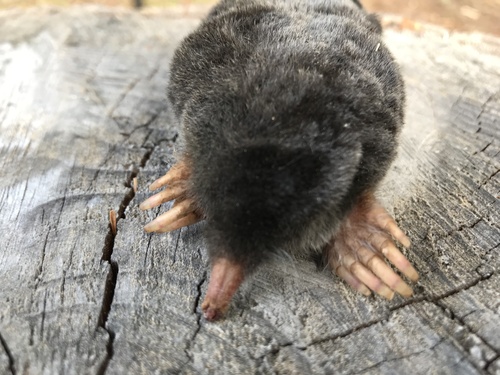
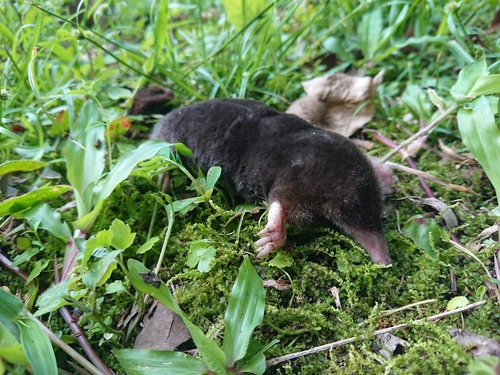
Adult males of Talpa occidentalis are slightly larger than adult females, with average weights of 65 grams (2.3 oz) and 53.5 grams (1.89 oz) respectively. This species occurs in Spain and Portugal, primarily in the northwestern region of these countries. It is most commonly found in meadows, cropland, pastures, and woodlands, and can live in any temperate area that has deep, moist soil that is not too rocky, sandy, or otherwise unsuitable for digging. It feeds primarily on earthworms, and its habitats tend to be areas with high earthworm populations. It prefers wetter areas, as long as the soil is not too damp to allow digging. This preference includes both naturally wet soils and artificially irrigated croplands and pastures. The species is common in areas managed with traditional agricultural practices. Its breeding period runs from September to May, and pregnancy can occur between October and April. Gestation lasts approximately 28 days. Young are weaned by May, after around 30 days of nursing. Males reach sexual maturity at approximately one year old. Like other species in the genus Talpa, females are hermaphroditic and have ovotestis. The prominence of testicular tissue relative to ovarian tissue decreases during the breeding season. Some phenotypically male individuals of this species have been found with XX chromosomes. These XX individuals are externally similar to XY males, but have much smaller testicles. Internally, the testicles of these XX males have a different structure than those of XY males, and these affected males are infertile. The authors of a 1988 paper considered this the first recorded case of "sex reversal" in mammals found outside of captivity.