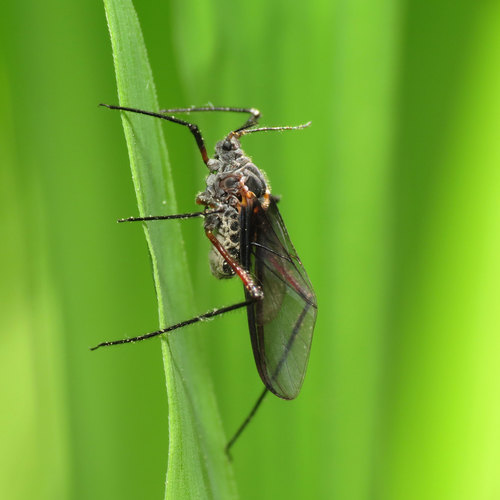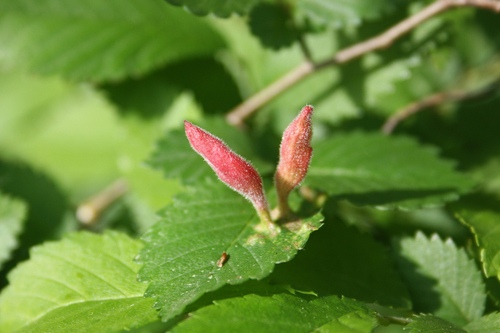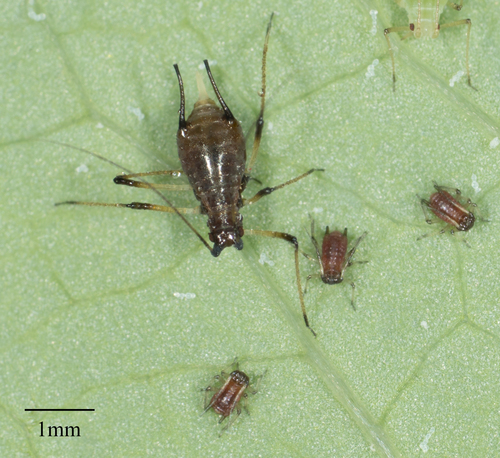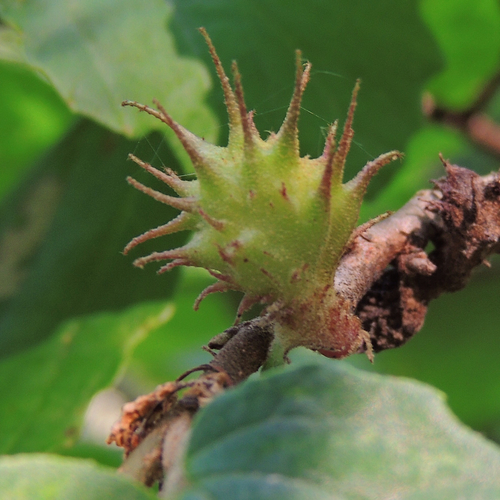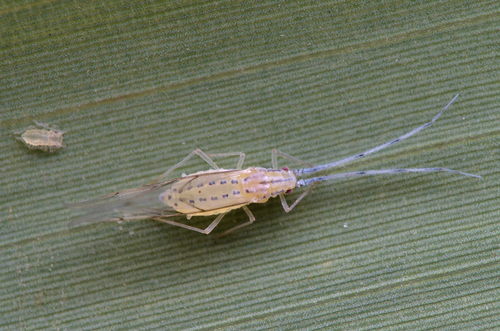
Takecallis arundinariae (Essig, 1917) is a animal in the Aphididae family, order Hemiptera, kingdom Animalia. Not known to be toxic.

Photo of Takecallis arundinariae (Essig, 1917) (Takecallis arundinariae (Essig, 1917))
🦋 Animalia

Takecallis arundinariae (Essig, 1917)

Takecallis arundinariae (Essig, 1917)

The black-spotted bamboo aphid, Takecallis arundinariae, is a widespread Eurasian aphid that feeds on bamboo.

Family
Genus
Takecallis
Order
Hemiptera
Class
Insecta

About Takecallis arundinariae (Essig, 1917)

Takecallis arundinariae, commonly known as the black-spotted bamboo aphid, is an aphid species that originated in Eurasia and is now found worldwide. It feeds on a variety of bamboo species across the globe, and it is not specialized to a narrow range of host plants. If left uncontrolled, large infestations of this aphid can cause damage to host plants. These aphids live on the undersides of bamboo leaves. Their bodies have a whitish abdomen marked with black spots, and stripes are present toward the head. Their antennae are long and fuzzy, and their siphunculi are small and cup-shaped. This species was first described by Edward Oliver Essig in 1917.
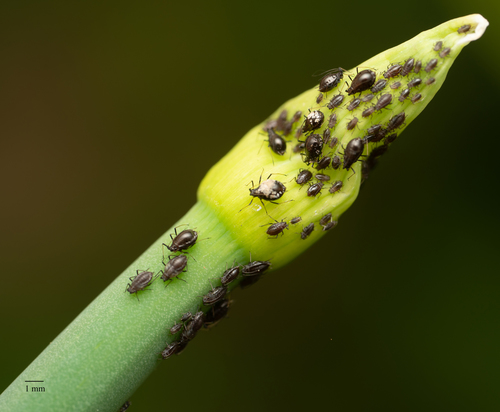
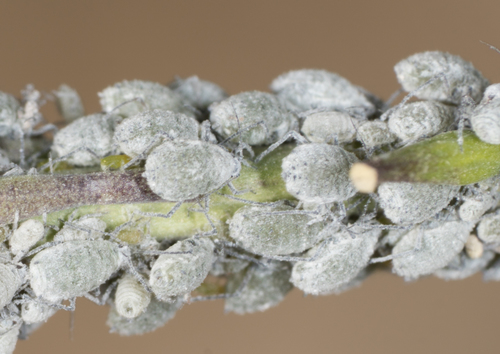
Photo: (c) Gilles San Martin, some rights reserved (CC BY-SA), uploaded by Gilles San Martin · cc-by-sa

Taxonomy

Animalia Arthropoda Insecta Hemiptera Aphididae Takecallis

More from Aphididae

Sources: GBIF, iNaturalist, Wikipedia, NCBI Taxonomy · Disclaimer

Identify Takecallis arundinariae (Essig, 1917) instantly — even offline

iNature uses on-device AI to identify plants, animals, fungi and more. No internet needed.

Download iNature — Free

Start Exploring Nature Today

Download iNature for free. 10 identifications on us. No account needed. No credit card required.

Download Free on App Store