About Syzygium malaccense (L.) Merr. & L.M.Perry
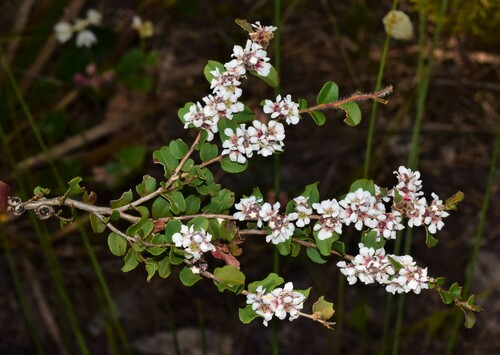
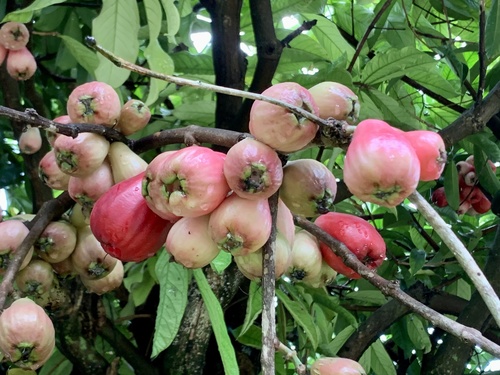
Syzygium malaccense is a medium to large sized perennial tree that grows 5–15 metres (16+1⁄2–49 feet) tall. Its leaves are simple, elliptical or oval with pointed tips and smooth edges; the leaves are thick and glossy on the upper surface. Flowers grow in clusters at the ends of branches, and are bright pink or red in color. The fruit can reach up to 10 centimetres (4 inches) long, and is oval to bell-shaped. Unripe fruit is green, while ripe fruit is deep red, pink, or white with red streaks. Each fruit contains a single large seed inside. This species is native to tropical Asia and Australia. The combination of its tree, flowers and fruit has been called the most beautiful in its genus. Syzygium malaccense, commonly called Malay apple or mountain apple, is a strictly tropical tree that will suffer damage from freezing temperatures. It grows best in humid climates with annual rainfall of 152 cm (60 in) or more, and can grow at altitudes ranging from sea level up to 2,740 m (8,990 ft). It flowers in early summer, and produces fruit three months after flowering. When Polynesians first reached the Hawaiian Islands 1,000–1,700 years ago, they brought this species with them as one of their important 'canoe plants'. In modern times, it has been introduced across the entire tropics, including many countries and territories in the Caribbean. The mountain apple produces an edible fruit that is eaten raw when ripe. The fruit's flavor is bland but refreshing, with white flesh that has a similar texture to pear, but is less sweet than a common apple. In 1793, Captain William Bligh was commissioned to collect edible fruits including this species from Pacific Islands for Jamaica, and brought the species back from Tahiti, which was called Otaheite at that time. Different regions have various uses for this plant: in Puerto Rico, Malay apple is used to make wine; in Hawaiʻi, the fruits are eaten the same way Pacific Northwest apples are eaten; Indonesians add the tree's flowers to salads; in Guyana, the skin of the mountain apple is cooked down to make syrup; the flesh can be stewed with brown sugar and ginger to make jam; coffee growers use the species to distract birds and provide shade.