About Syzygium jambos (L.) Alston
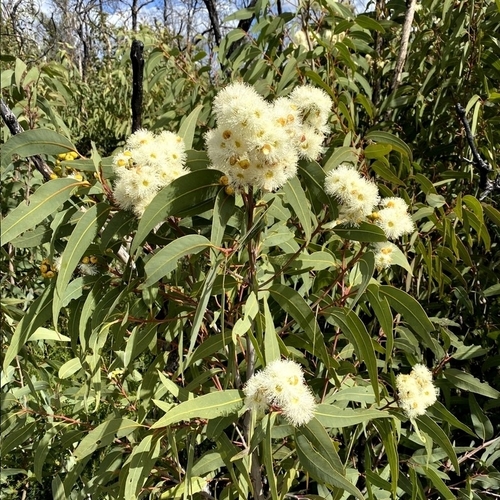
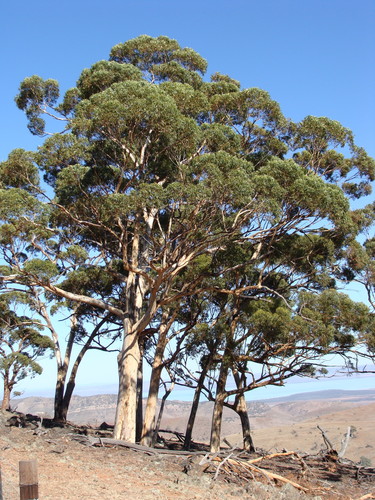
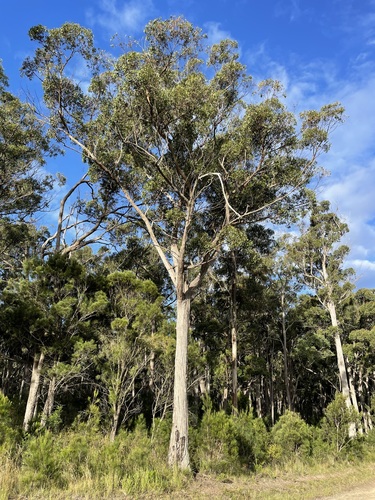
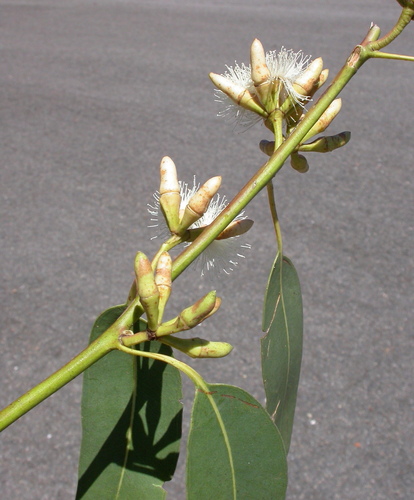
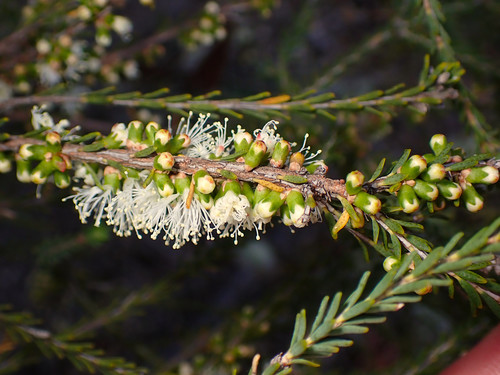
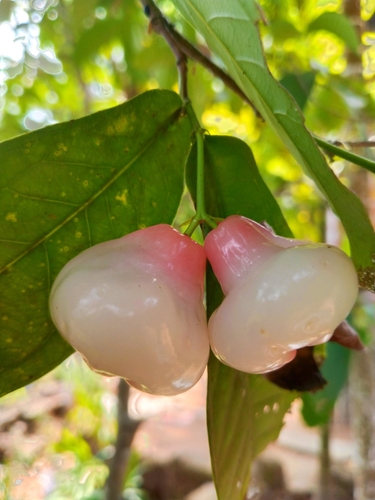
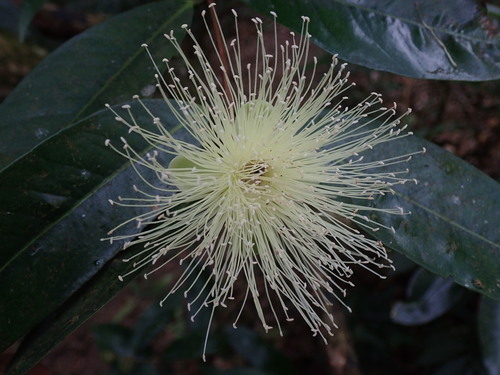
Syzygium jambos is a large evergreen shrub or small-to-medium-sized tree, typically growing 3 to 15 metres (10 to 49 feet) high, and it tends to branch low on the trunk. Its leaves and twigs are hairless, and its dark brown bark is fairly smooth, with very little raised texture or surface variation. The leaves are lance-shaped, 2 to 4 centimetres (3⁄4 to 1+5⁄8 inches) wide, and 10 to 20 centimetres (4 to 8 inches) long. They have pointed tips, wedge-shaped bases, and almost no petiole; new growing leaves are lively red, while fully mature leaves are dark and glossy green. The flowers grow in small clusters at the ends of branches, and are white or greenish white. Their many long stamens give each cluster a diameter of 5 to 8 cm (2 to 3+1⁄4 in). In temperate regions, this tree flowers in summer. The fruit has a shape similar to some types of guava, and people unfamiliar with this species often mistake its fruit for guava at first glance. However, its fragrance, flavor, and texture are all different from guava. Unlike guava, which holds dozens of small hard seeds embedded in jelly-like tissue, the fruit of Syzygium jambos usually contains only one or two large, smooth seeds around 1 cm in diameter. When the fruit is ripe, these seeds lie loose in a slightly fluffy cavity inside the fruit. Shaking the fruit to feel if the seeds rattle can help indicate if it is ripe. The fruit’s skin is thin and waxy. Some people note the flowers are fragrant, but this trait varies between individual plants. Ripe fruit, however, consistently has a strong, pleasant floral scent, which gives the species its common names like "Rose apple" and "pomarrosa".
Syzygium jambos has been widely introduced across every continent except Antarctica, and it has become established and invasive in multiple regions. There is documented concern about its threat to native ecosystems, including those on several Hawaiian islands, Réunion, Pitcairn, the Galápagos Islands, parts of Australia, and the warmer regions of the Americas. In Hawaii, however, the introduced rust Puccinia psidii has almost entirely wiped out populations of this tree.
The fruit is rich in vitamin C, and can be eaten raw or cooked into a variety of regional dishes. In Southeast Asian countries, rose apple fruit is often served with spiced sugar. The tree’s dense wood is used to make charcoal. The plant contains abundant tannins that are of interest for their antimicrobial properties. Different parts of the tree are used in local traditional medicine.