About Synchlora aerata (Fabricius, 1798)
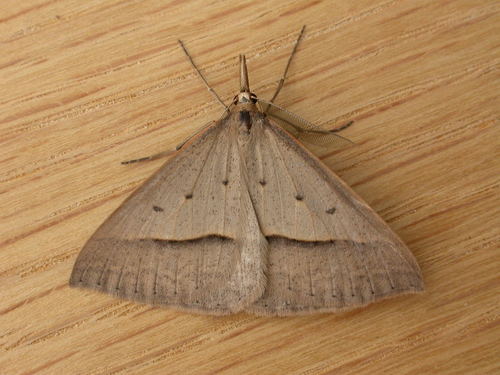
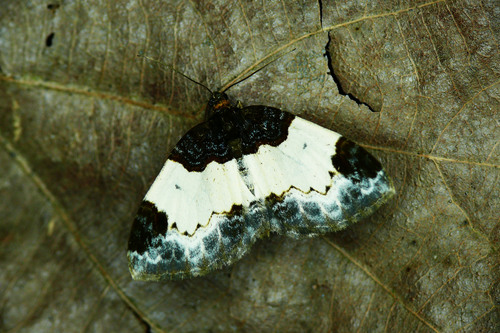
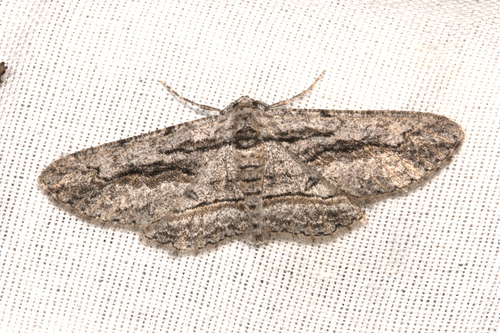
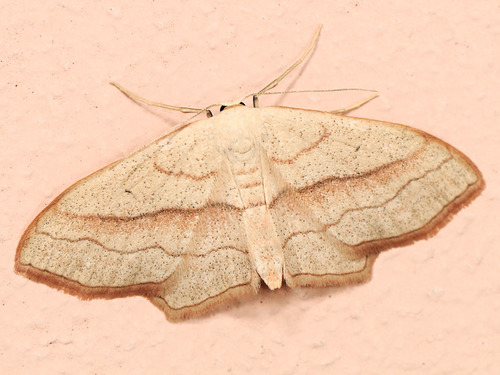
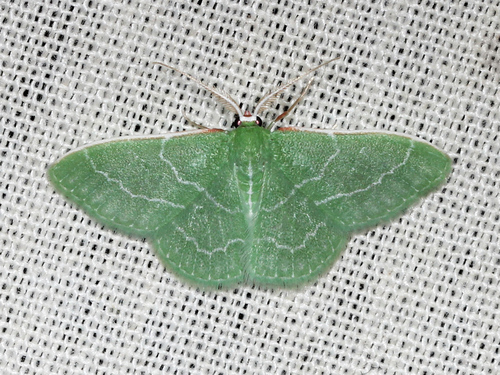
Synchlora aerata, commonly known as the wavy-lined emerald moth or the camouflaged looper, is a species of moth in the family Geometridae. This species was first described by Johan Christian Fabricius in 1798. It can be found in Canada and the United States. This moth has an average wingspan of approximately 17 mm. Like all other members of the Geometridae family, the larvae of this species are loopers, also called inchworms. The larvae feed on composite flowers, shrubs, and trees. Confirmed recorded food plants include species from the genera Aster, Rudbeckia, Liatris, Solidago, Artemisia, Achillea, and Rubus. Synchlora aerata overwinters as a partially developed larva. The caterpillars of this species have an unusual behavior: they attach small pieces of the plant tissue they feed on to several large spines located on their back. This covering hides them from foraging birds that hunt using sharp vision. This camouflage can also prevent smaller animals from detecting the caterpillars.