About Symphodus ocellatus (Linnaeus, 1758)
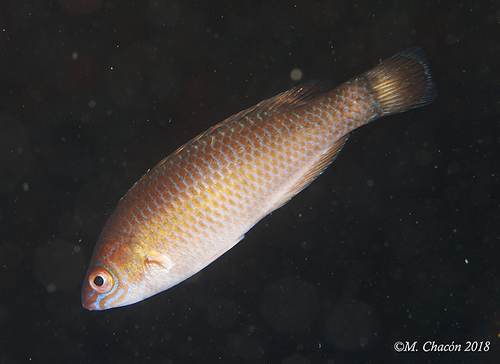
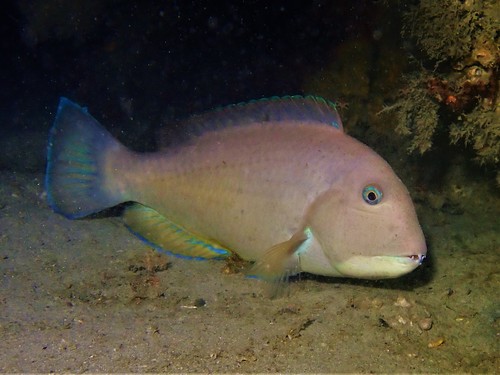
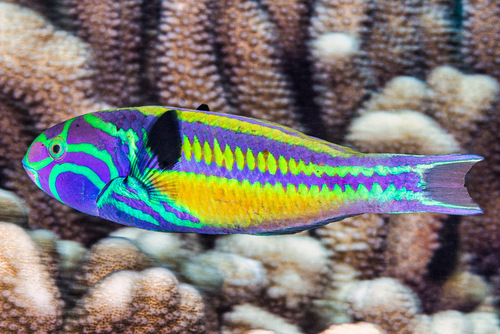
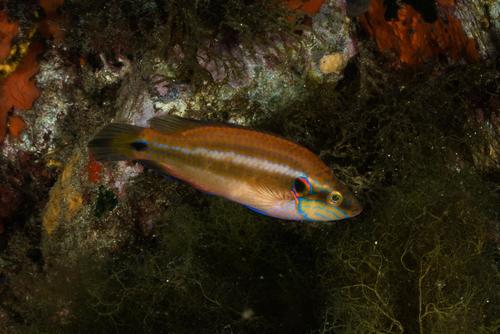
The ocellated wrasse, with the scientific name Symphodus ocellatus (Linnaeus, 1758), is a species of wrasse native to the eastern Atlantic Ocean, as well as the entire Mediterranean Sea, the Black Sea, and the Sea of Azov. It lives in rocky areas with eelgrass at depths between 1 meter (3.3 feet) and 30 meters (98.4 feet). It feeds on a variety of marine invertebrates. This species reaches a maximum standard length of 12 centimeters (4.7 inches), and individuals are sold in the aquarium trade. Ocellated wrasses typically live for two to three years. There are three distinct forms of male ocellated wrasse: nesting males, sneaker males, and satellite males. Nesting males are the largest and most brightly colored of the three forms. Sneaker males are the smallest, the most dull in color, and closely resemble the female phenotype. Satellite males fall between nesting males and sneaker males in both size and coloration. Nesting males court females, build and guard nests from harvested algae, and provide parental care for their offspring. Sneaker males do not court females or provide parental care; instead, they intrude on mating pairs of a female and a nesting male to attempt to fertilize eggs before the nesting male does. Satellite males help court females and chase away sneaker males, but do not provide parental care for offspring. A male ocellated wrasse's type is determined during its early development. Males that grow quickly become satellite males for their first breeding season, then transition to nesting males in their second breeding season. Slower growing males become sneaker males for their first breeding season, then transition to satellite males in their second. The breeding season for this species runs from May to June.