About Sympecma fusca (Vander Linden, 1820)
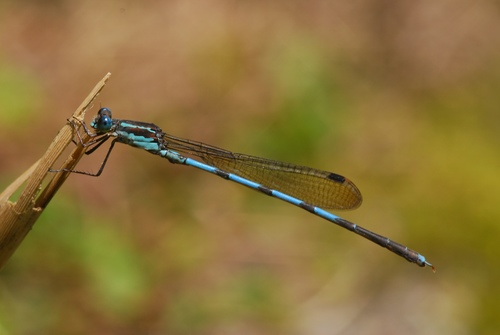
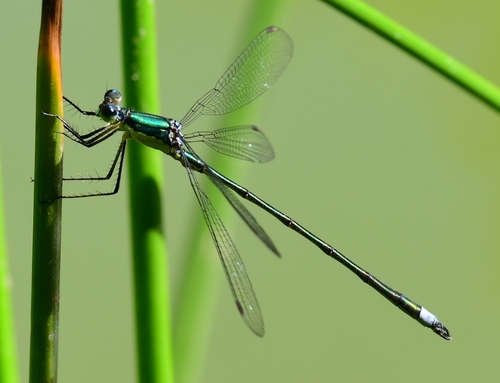
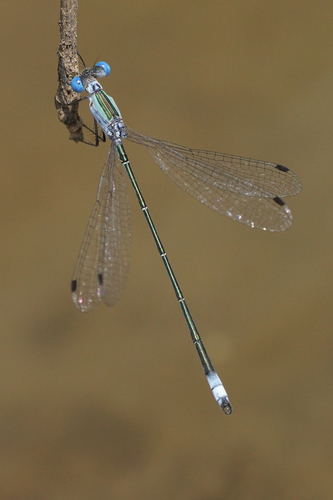
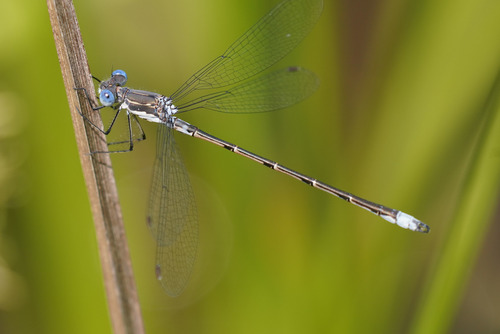
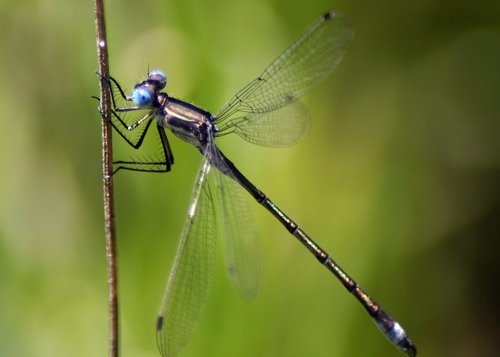
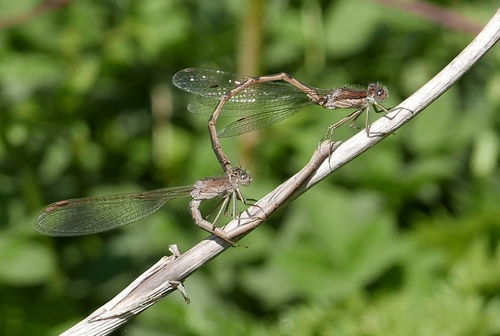
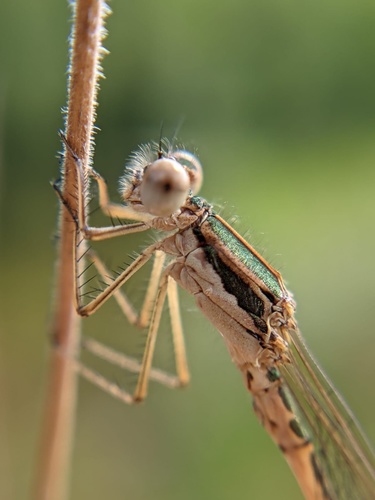
Sympecma fusca reaches an adult body length of approximately 38 millimeters, or 1.5 inches. It can be easily distinguished from all other European damselflies except Sympecma paedisca, so identification is straightforward across most of its range. Unlike many common damselflies, it does not display bright blue or red coloration, which means it is often overlooked. It also lacks the metallic emerald green sheen that is a defining characteristic of the Lestes genus. This species has pale brown pterostigma on both its forewings and hindwings. The forewing pterostigma sits closer to the wing tip than that of the hindwing, so both pterostigma remain visible when the wings are closed, rather than overlapping as seen in other damselflies. This feature is easy to observe in the field and separates Sympecma from all other damselfly genera. Overwintered males have dark brown pterostigma on both wings, and many develop blue eyes. Where both S. fusca and S. paedisca occur together, careful examination of adult specimens by hand, preferably under magnification, is required to tell the two species apart. Males have slightly different anal appendages, and both sexes show subtle differences in the markings of the thorax. This species occurs across most of southern and central Europe, extending east into Asia, where it is replaced by S. paedisca. It is also found throughout the Mediterranean region of Europe, in North Africa, and on many Mediterranean islands. It occupies all types of standing water habitats, including brackish water. During the winter, adult individuals leave water bodies and roost on dry plant stems in open areas such as grassland and heaths. There are only two confirmed records of this species in Britain: the first was documented on 21 December 2008 in southeast Wales, and the second was recorded by Terry Crow at Wildern Moor, Wildern Local Nature Reserve in Hedge End on 5 May 2022.