About Sylvilagus cunicularius (Waterhouse, 1848)
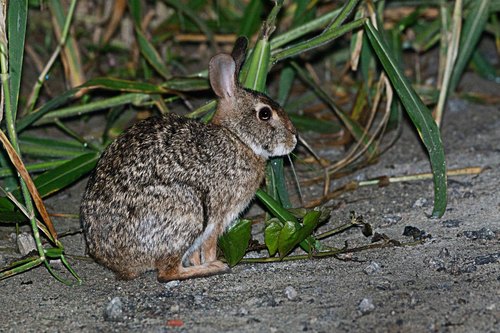
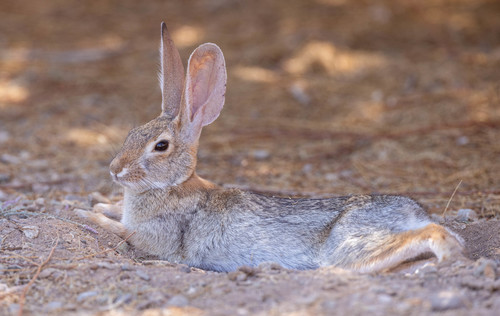
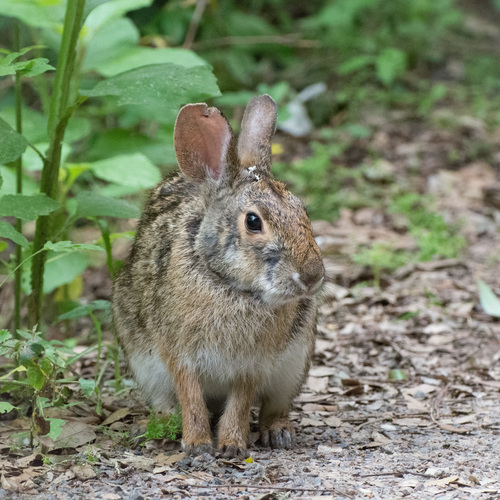
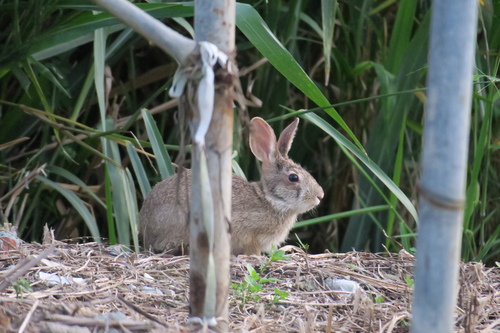
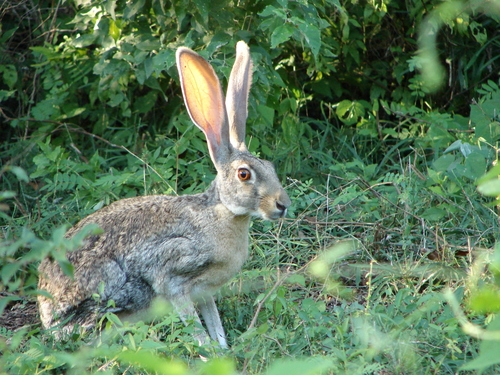
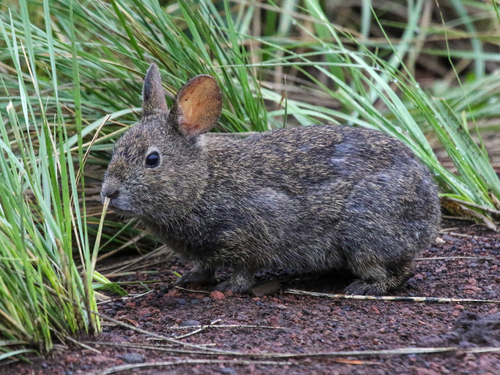
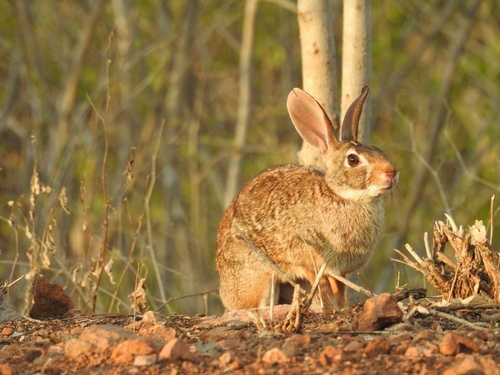
Sylvilagus cunicularius, commonly called the Mexican cottontail, is one of the largest species in the genus Sylvilagus, and is the largest rabbit native to Mexico. On average, adult Mexican cottontails weigh 1800 to 2300 grams (63 to 81 oz), with an average body length of 485–515 mm (19.1–20.3 in), tail length of 54–68 mm (2.1–2.7 in), hind foot length of 108–111 mm (4.3–4.4 in), and ear length of 60–63 mm (2.4–2.5 in). Their size is comparable to that of medium-sized hares. Individuals from populations in the Sierra Madre de Oaxaca mountain range tend to be slightly larger than individuals from other populations. The species has coarse reddish-brown or greyish-brown fur and white underparts; mature individuals develop paler yellowish-gray fur.
The Mexican cottontail is found only in Mexico, where its range extends from the state of Sinaloa to the states of Oaxaca and Veracruz, including the mountainous regions of the Trans-Mexican Volcanic Belt. Its elevation range spans from sea level up to about 4,300 meters (14,000 feet). It occupies a wide variety of habitats, including tropical forest, temperate forest, dry deciduous forest, dense shrubland, grassland, and cultivated or otherwise disturbed land. In central Mexico, it is common in temperate pine and pine-oak forests with a ground cover of tussocky grasses in the genera Agrostis, Festuca and Muhlenbergia. In western Mexico, it is most often found in drier forest habitats and pastures. In southern Sinaloa and western Michoacán, it occurs from sea level on the coastal plain up to mountain slopes, where its range borders that of the eastern cottontail (S. floridanus). In mountainous areas south of Mexico City, its range borders the ranges of both the eastern cottontail and the volcano rabbit (Romerolagus diazi).
The breeding season of the Mexican cottontail occurs year-round, with peak breeding activity during the warm, wet summer months from March to October. Before giving birth, mother Mexican cottontails dig a short, shallow nursery burrow that ends in a nesting chamber around 17 cm (6.7 in) below the surface; the burrows average 23 cm (9.1 in) in length. Nests are built from dry grasses, pine needles, and fragments of woody plants, with oat straw and alfalfa hay added to the nest as extra food sources. Nursing takes place at the burrow entrance until the young are around 12 days old. After the young are weaned, the mother closes the burrow entrance. The burrowing behavior of the Mexican cottontail is more similar to that of the European rabbit (Oryctolagus cuniculus) and the pygmy rabbit (Brachylagus idahoensis) than to that of other cottontail rabbit species. Known predators of the Mexican cottontail include red foxes, coyotes, the long-tailed weasel, feral dogs, the great horned owl, red-tailed hawks, and American crocodiles; snakes also prey on the species occasionally.