About Swietenia humilis Zucc.
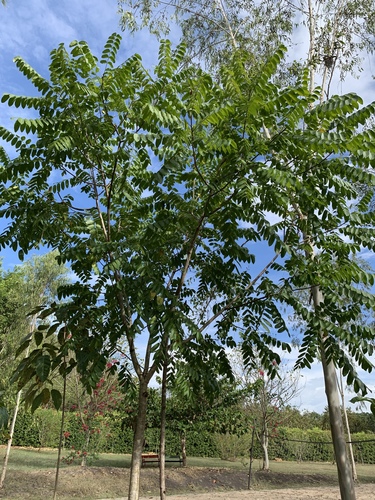
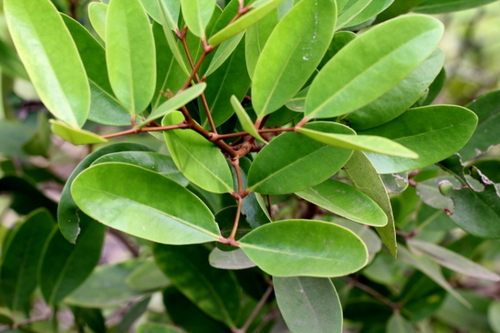
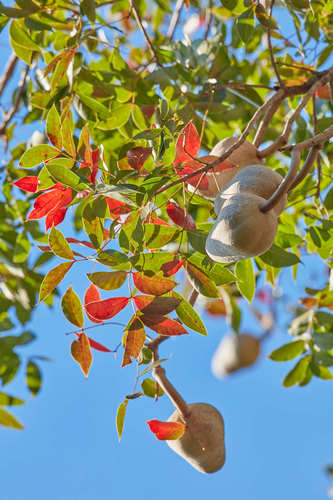
Swietenia humilis Zucc. is a tree species in the Meliaceae family. It is one of three species in the genus Swietenia, all of which are considered "genuine mahogany". This species typically reaches around 6 metres (20 ft) in height, which is one-fifth the height of S. mahagoni and one-sixth the height of S. macrophylla. Its specific epithet humilis means "small" or "dwarfish". Common names for the tree include Pacific Coast mahogany, caoba del Pacifico, caoba del Honduras, caobilla, cobano, gateado, sopilocuahuilt, venadillo and zapaton. In wood trades, it is referred to as Honduras mahogany and Mexican mahogany. This tree has been heavily over-exploited for its valuable wood, which is used to make furniture. It is also of interest as a potential commercial source of seed oil and pharmacologically active compounds. This species is found in the drier zones of the western Sierra Madre mountain range, ranging from Mexico through Guatemala, Belize, Honduras, and El Salvador. Its distribution in Guatemala and Honduras extends eastward from the Pacific Coast almost to the Atlantic Ocean. In Honduras, its range also stretches from the western Sierra Madre into the adjacent northern Nicaraguan cordillera. Its habitat also includes the northern half of Costa Rica's Pacific Coast. It grows at altitudes up to 1,200 metres (3,900 ft), and can inhabit wet and dry deciduous forest, savanna, rough scrub, rocky hillsides, and cultivated fields. Due to historical over-exploitation, most surviving trees are scattered, isolated individuals, and large specimens are now rare. The bark and seeds of S. humilis contain an alkaloid that is widely reputed to be very poisonous. Extracts from the plant significantly inhibited the growth and feeding of third instar Tenebrio molitor (mealworm) larvae. They have also been shown to be effective against larvae of Ostrinia nubilalis (the European Corn borer) and Spodoptera frugiperda (the Fall Armyworm). In traditional medicine, the seeds of this species are used to treat chest pains, coughs, cancer and amoebiasis, and they are also used for their anthelmintic properties. Pharmacological research on the seeds and bark of S. humilis has been ongoing since the 1990s.