About Stylidium graminifolium Sw. ex Willd.
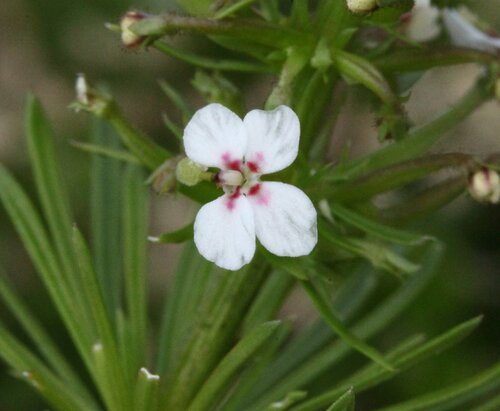
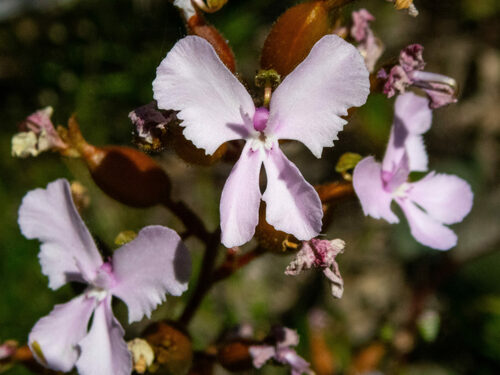
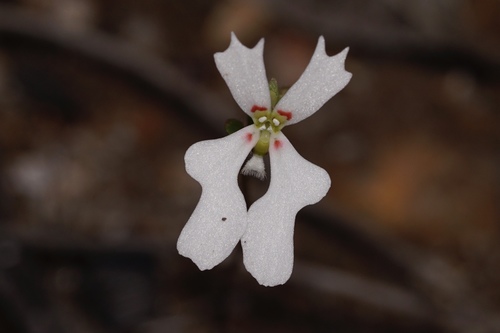
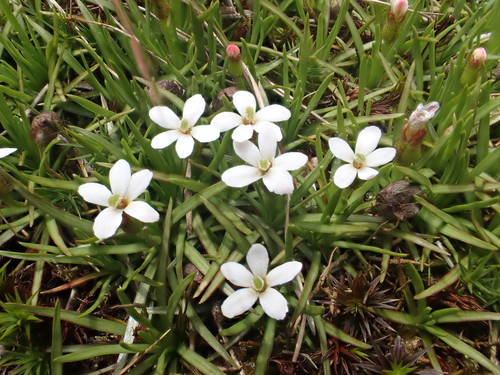
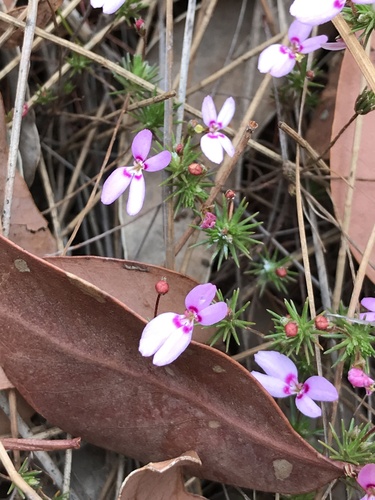
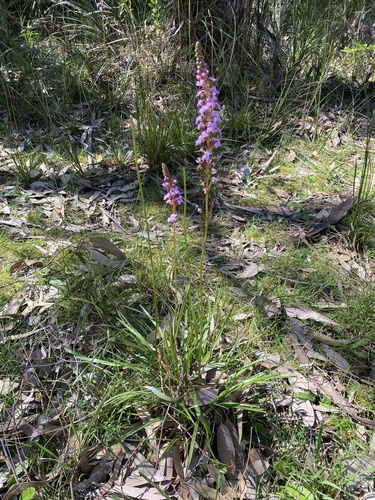
Stylidium graminifolium is an erect perennial herb, with narrow, grass-like leaves 5–40 cm (2–8 in) long growing from a basal rosette. A 15–90 cm (6–36 in) long scape holding a racemous inflorescence emerges in spring and summer, between October and February. Its flowers are butterfly-shaped, pale or bright pink, with petals paired laterally. Both the calyx and corolla are covered in glandular trichomes. The pollination mechanism of Stylidiaceae is unique to the family: it uses a sensitive "trigger" that is a fused floral column formed from the stamen and style. In Stylidium graminifolium, this column is red, while the stamens are greenish in color. Like most Stylidium species, S. graminifolium has glandular trichomes on its scape and underneath its flowers. These trichomes can digest and absorb nutrients from prey trapped in their sticky mucilage, leading some researchers to conclude this species is carnivorous, or at minimum protocarnivorous. S. graminifolium has one of the widest distributions of any species in the genus Stylidium, and is native to Tasmania, Victoria, New South Wales, Queensland and South Australia. It most commonly grows in dry sclerophyll forests with nutrient-poor soil. This species is one of the few Stylidium species that is commercially available for purchase as seed. From 2000 to 2002, Douglas Darnowski tested S. graminifolium and six other triggerplant species for horticultural value and cold hardiness in the United States. Darnowski's study found that S. graminifolium can survive temperatures as low as -10°C, making it suitable for outdoor cultivation down to USDA hardiness zone 8. Darnowski also suggested that the species' attractive floral spikes have floricultural uses, and could replace purple loosestrife in winter and spring floral arrangements. S. graminifolium has a relatively long flowering period. Its germination has somewhat specific requirements: germination is stimulated by smoke treatments and higher temperatures that simulate bushfire conditions, though germination can still happen without these conditions. These specific germination requirements lower the risk that S. graminifolium will become an invasive species. It can also grow on nutrient-poor soils and tolerate significant drought, traits that further increase its potential for floricultural use. Two cultivars of S. graminifolium, Tiny Trina and Little Saphire, hold tentative recognized cultivar names from the Royal Horticultural Society. The cultivar name Little Saphire refers to the bright blue foliage that distinguishes this cultivar from the original type species. Tiny Trina has a deeper flower color, darker green leaves with variable blade widths, and starts flowering later in the growing season than the type species.