About Stiphodon atropurpureus (Herre, 1927)
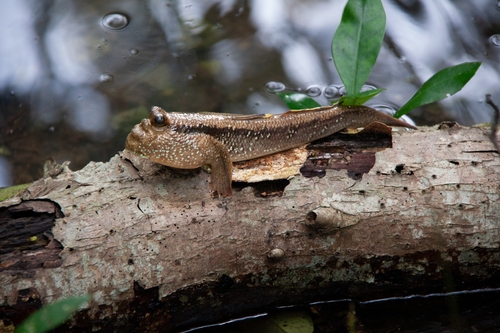
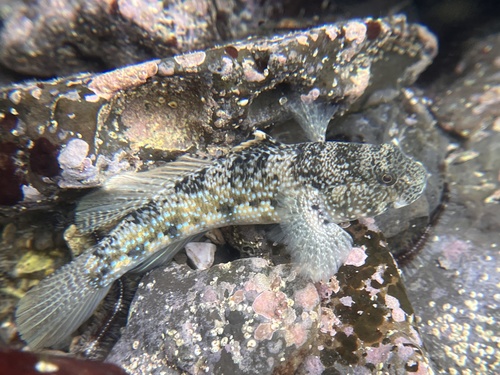
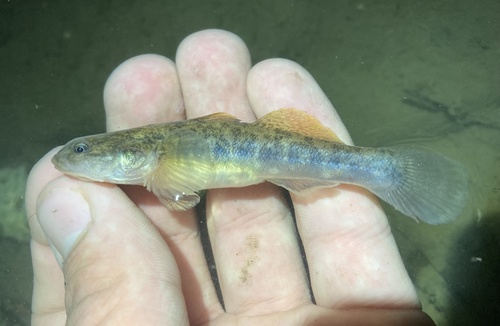
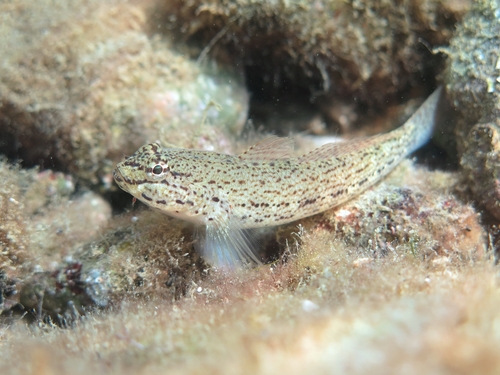
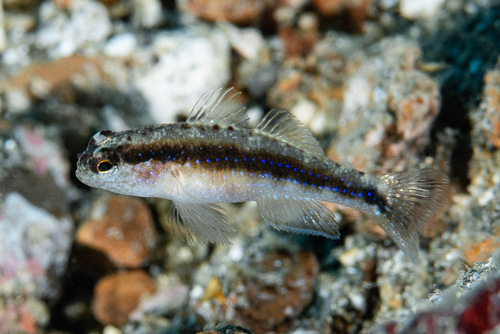
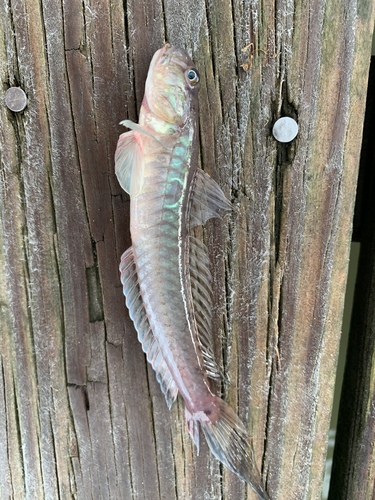
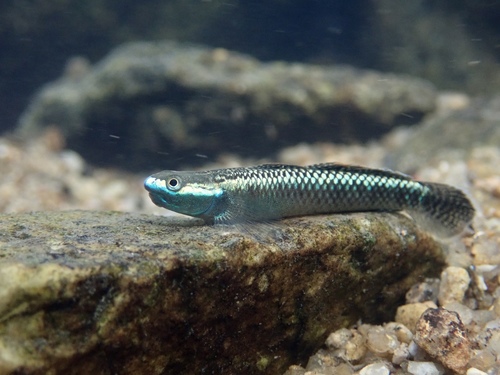
Stiphodon atropurpureus has a fusiform body, and adults measure between 20 and 50 millimeters in length. This species has two dorsal fins: the first dorsal fin has seven spines, and the second has nine soft rays. Its visual characteristics are similar to other co-occurring Stiphodon species, so identifying S. atropurpureus is not possible without detailed anatomical study or genetic testing. Males show a range of metallic iridescence spanning green, blue, and purple; this iridescence is most prominent during mating displays and territory defense. The male's first dorsal fin is not elongated or fibrous in texture, but has a distinct narrow red border that makes it more visually appealing to conspecifics and plays a key role in social interactions. Females are lighter in color than males, creating clear sexual dimorphism between the sexes. Females typically have white or pale pastel bodies marked with two distinct transverse lines across the body; these lines help reduce visibility to predators, giving them a protective advantage. As juveniles develop into adults, they undergo major changes, especially in coloration. Juveniles start with more muted color tones that gradually develop into the bright coloration seen in mature adults. This color change is especially dramatic in males, since the intense adult coloration is critical for their social interactions and reproductive success. S. atropurpureus is distributed across multiple locations in Asia, including the Philippines, China, Japan, Vietnam, and Indonesia. These gobies favor clear, oxygen-rich fast-flowing streams, which provide the right environmental conditions for survival and the appropriate substrate for their feeding habits. Despite this broad geographic range, detailed information about the species' population dynamics is not well-documented. The fish's small size and elusive habits make comprehensive population studies challenging, and existing research is generally limited to localized small-scale stream surveys that do not create a full picture of the species' overall distribution. S. atropurpureus shares its habitat and ecological niche with other species in the Stiphodon genus. S. atropurpureus has a complex amphidromous life cycle, meaning it migrates between fresh water and the sea, but this migration is not for breeding purposes. Adult fish breed and lay eggs in freshwater. After the eggs hatch, larvae drift downstream into the marine environment, where they live as plankton. This marine stage is critical, because it lets larvae grow away from the competition and predation pressure found in freshwater. When larvae reach the post-larval stage, they migrate back upstream into freshwater streams. This upstream migration is supported by a specialized adaptation: fused pelvic fins that form a suction disc. This suction disc lets young gobies cling to rocks and other surfaces, helping them swim against currents to return to their natal streams. This amphidromous life cycle is important for maintaining the genetic diversity and resilience of S. atropurpureus populations.