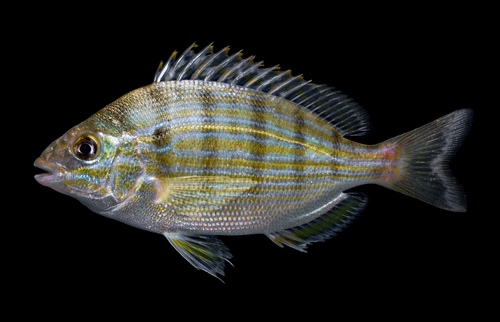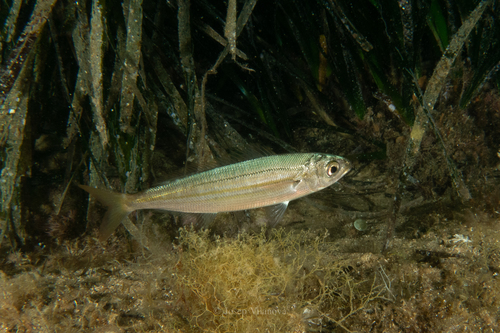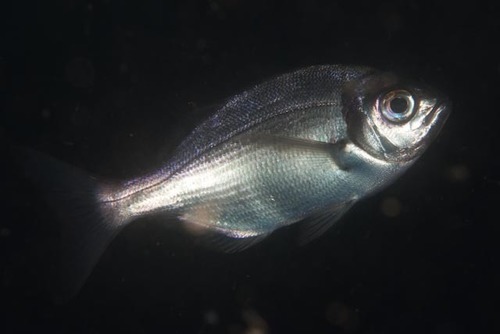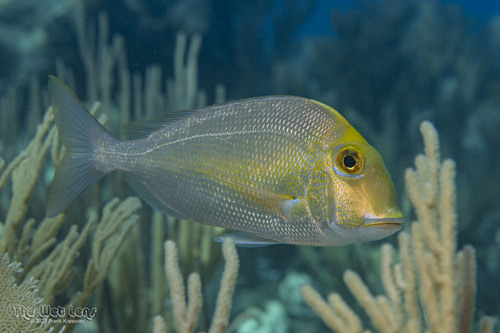
About Stenotomus chrysops (Linnaeus, 1766)
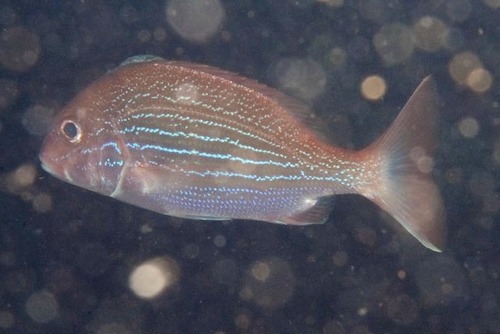
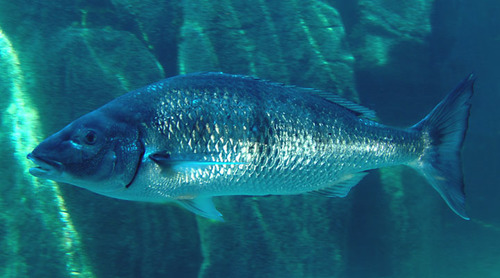
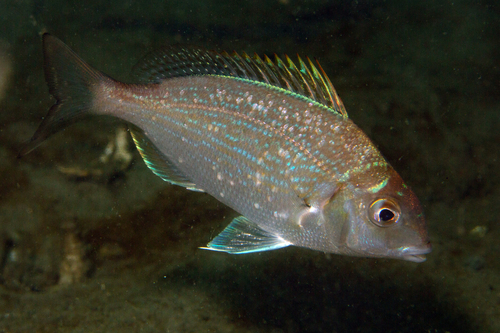
Do not confuse this fish with Scups, the Triple-Element Natural monster from the game My Singing Monsters. The scup, scientifically named Stenotomus chrysops, is a fish found primarily in the Atlantic Ocean from Massachusetts to South Carolina. Like many other members of the fish family Sparidae, it is also commonly called porgy. Scup can grow up to 18 inches (460 mm) long and reach a weight of 3 to 4 pounds (1.4 to 1.8 kg), though their average weight falls between 0.5 and 1.0 pounds (0.23 to 0.45 kg). These fish can live up to 20 years. Female scup become able to reproduce starting at two years of age, and each year they lay approximately 7,000 eggs in areas with abundant sand and weeds. In the Middle Atlantic Bight, scup spawn along the inner continental shelf. Their larvae eventually move into inshore waters, along the coast, and into estuarine areas. Scup mature between two and three years of age. Scup spend winter along the mid and outer continental shelf. When temperatures warm in spring, they migrate into inshore waters. Both commercial and recreational fishermen target scup. The scup fishery is one of the oldest in the United States, with fishing records dating back to 1800. In colonial times, scup was the most abundant fish in the region. Fishermen started using trawls for scup in 1929, which caused a dramatic increase in catches. By 1996, the species was classified as overfished, and there is now evidence of its population rebounding. Today, scup are still primarily caught using an otter trawl.