About Stellagama stellio (Linnaeus, 1758)
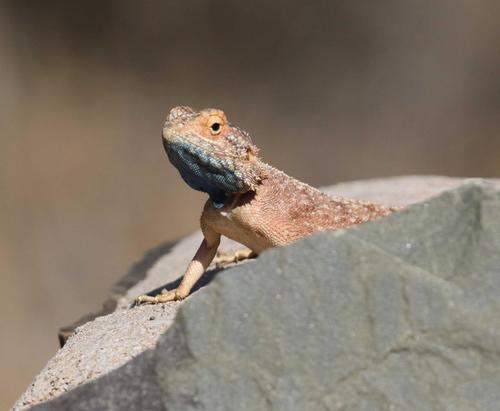
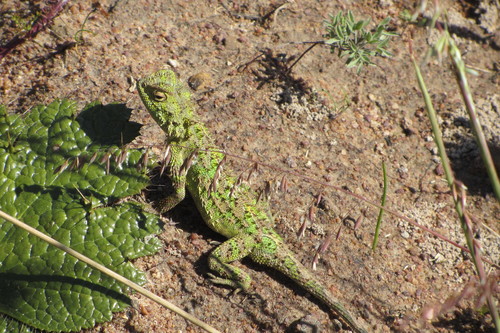
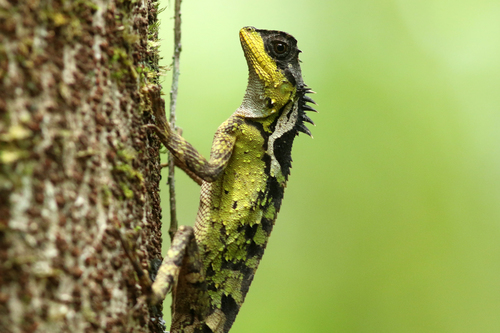
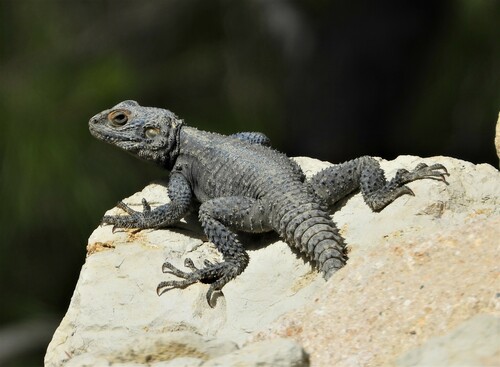
This species, currently listed under the scientific name Stellagama stellio (Linnaeus, 1758), is also referenced as Laudakia stellio in this description. Adults may reach a total length including the tail of 35 cm (14 inches), or slightly longer than this measurement. Its confirmed geographic range covers Greece and Turkey; other species belonging to this species complex have been recorded in other locations outside this area. Like many other agamid lizards, L. stellio can change its body color to communicate its current mood. It basks in open sun on stone walls, exposed rocks, and trees. It typically inhabits rocky areas, and it is quite shy. When it detects potential predators, it will quickly dive into rock cracks to hide. For traditional indigenous communities in Europe, and possibly communities in the Middle East, the excrement of this lizard was widely used as both an eye medication and a cosmetic. This prepared dung was known by several names: cordylea, crocodilea, and stercus lacerti, which translates to 'lizard shit'. This lizard faeces was imported to European pharmacies from the Levant. A rarer, more potent version of this material was historically obtained from monitor lizards, called stercus magni lacerti. The dung was used for three main purposes: to improve eyesight, to relieve itching, and to cure cataracts, also referred to as webbe.