About Sporophila telasco (R.Lesson, 1828)
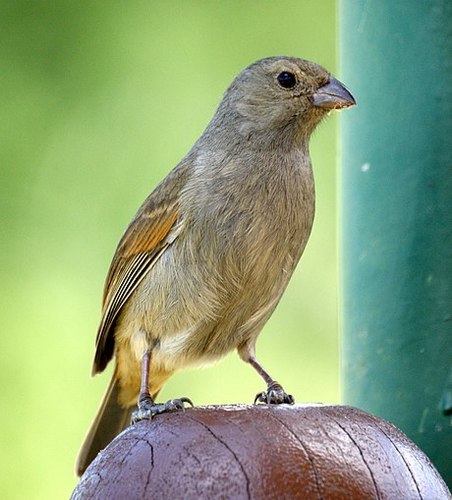
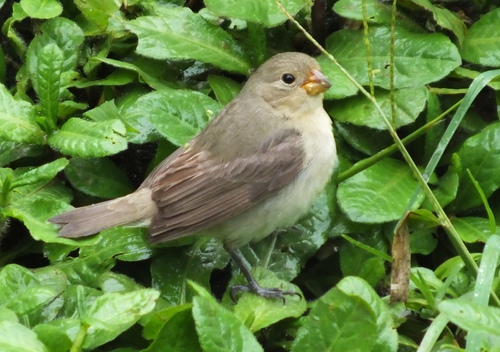
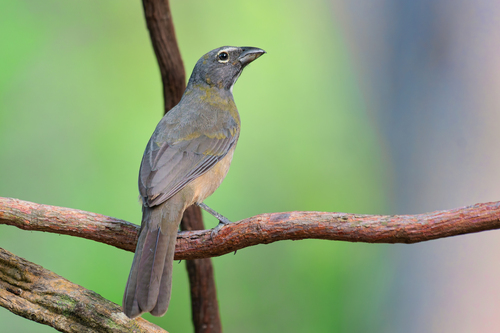
The chestnut-throated seedeater, with the scientific name Sporophila telasco, is a Neotropical songbird that belongs to the tanager family Thraupidae. It is distributed along the western seaboard of South America, ranging from southwestern Colombia to the far north of Chile. Its natural habitats include subtropical or tropical dry shrubland, subtropical or tropical moist shrubland, swamps, sandy shores, and heavily degraded former forest. These habitats are located along the Pacific coast and montane uplands of western South America, primarily in Ecuador, Peru, and Chile. This species acts as an indicator of declining forest health, because its populations tend to increase after deforestation and changes in land use. During the breeding season, males have a prominent rich chestnut colored patch on their throats. Females follow a similar overall color pattern to males, but do not have this throat patch, and have a lighter colored bill. Both males and females moult into duller, drab plumage outside of the breeding season. This change in plumage happens because once breeding activities are finished, the risk of attracting predators that comes with colorful plumage is no longer worth taking. These songbirds are among the smallest members of the tanager family, reaching approximately 4.0 inches in total length. They also have powerful bills that they use to harvest grass seeds.