About Sousa sahulensis Jefferson & Rosenbaum, 2014
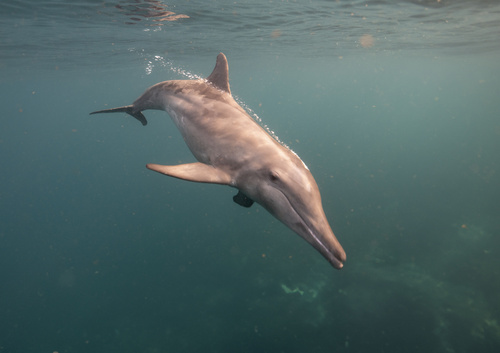
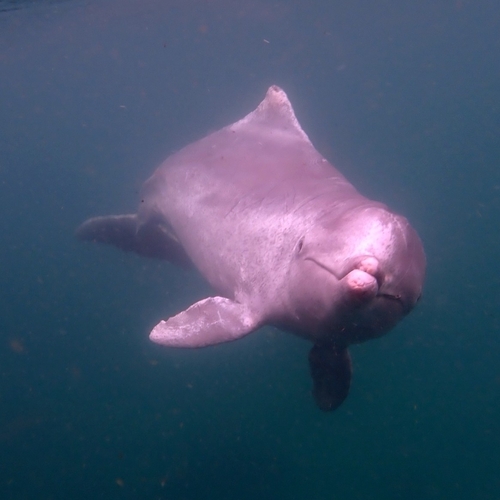
The Australian humpback dolphin, scientifically named Sousa sahulensis, is a species of humpback dolphin, and it was the fourth humpback dolphin species to receive formal scientific recognition. Its specific epithet sahulensis comes from the Sahul Shelf, the region between northern Australia and southern New Guinea where this dolphin species is found. The species was formally described scientifically on 31 July 2014 in the journal Marine Mammal Science. It is classified as a vulnerable species; in 2015, its total population was estimated to include fewer than 10,000 mature individuals, and its population numbers are declining due to habitat destruction. Australian humpback dolphins are opportunistic, generalist feeders that eat a wide diversity of coastal-estuarine and inshore reef fish. They can feed across multiple different habitats, including mangroves, sandy-bottom estuaries, seagrass meadows, and inshore coral reefs. When feeding, individual dolphins may spread out across wide areas, or gather in tight groups to target prey found in a single localized area. These marine mammals have occasionally been observed chasing fish into shallow water and beaching themselves to catch prey.