About Sophora tomentosa L.
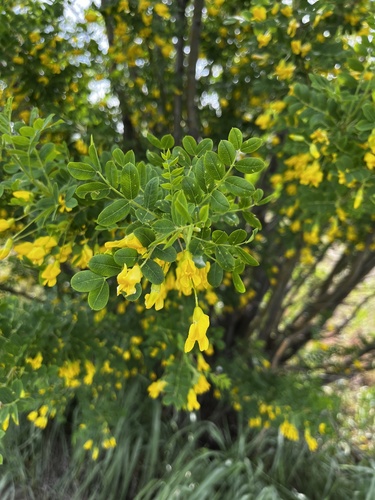
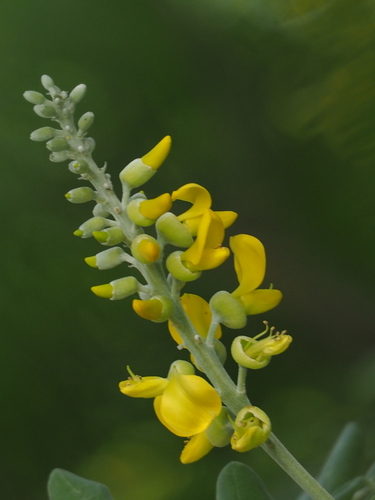
Sophora tomentosa L., commonly called necklacepod, yellow necklacepod, and occasionally silver bush, is a pantropical shrub or small tree that belongs to the Fabaceae family. It usually reaches a height of 4 to 10 feet, and is most often found growing in coastal environments and near wetlands. The common name Necklacepod comes from the plant’s distinctive string-like arrangement of seed pods, which form after its yellow flowers produce seeds. Necklacepod acts as a nectar source for bees and butterflies, and also provides nectar for hummingbirds in parts of the Americas. Native plant enthusiasts in Florida recommend it as a good landscape plant for xeriscaping, though it only occurs naturally in coastal counties of central and southern Florida. Closely related varieties of the plant grow in Texas and the Caribbean. The variety of necklacepod that grows in Australia is classified as endangered in some areas, due to clearing of its native coastal habitat and displacement by invasive species. In Sri Lanka, this plant is known as moodu murunga; its inedible pods share some similarities with the pods of murunga, also called drumstick. This plant has been used to create fish poisons, as well as insect and spider repellents, particularly in Africa.