About Soleirolia soleirolii (Req.) Dandy
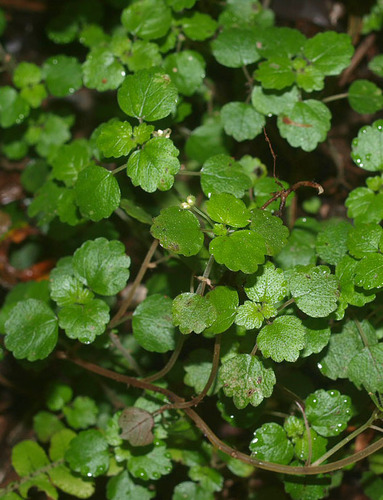
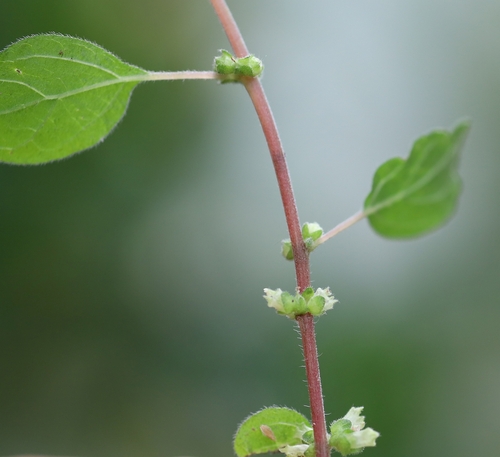
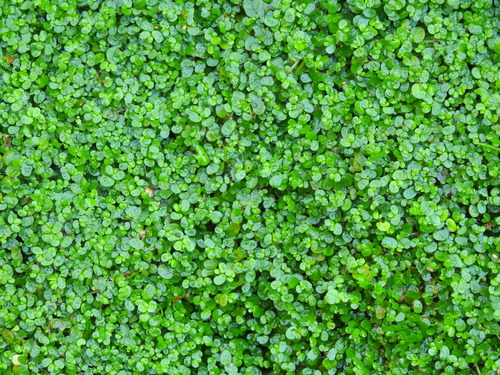
Soleirolia soleirolii is a delicate creeping herb with juicy bright green or yellow foliage and large numbers of tiny pink flowers, which have separate male and female sexes. It grows tight to the ground in dense mats. Leaves are usually slightly stalked, and measure about 5 mm across. Tiny female flowers produce oval seeds, while male flowers produce pollen. This species is native to Italy, Corsica and the Balearic islands. It has been introduced to many regions around the world through the plant trade, including Europe, the Azores, the west coast of both North and South America, and Tasmania. It is cultivated more or less widely across the globe as an ornamental garden plant, and has been recorded growing in the northeastern Irish counties of Antrim and Down. It is often used in ornamental gardens alongside ferns and other moisture-loving plants. It can also be grown indoors as a houseplant, and is used in vivarium habitats for small reptiles, amphibians, and some invertebrates. It prefers shade and consistent to heavy moisture. It can grow with its roots completely submerged while its shoots grow above water, and also grows well in swampy or riparian environments. In colder regions, aboveground growth dies back during winter, but the surviving roots regenerate, and the plant regrows lush foliage once temperatures rise. Baby's-tears, the common name for this plant, is commonly found in calm, shaded garden areas, including bonsai gardens. It is a popular accent plant for garden water features: since it needs abundant water, many gardeners plant it along the edges of small waterfalls and fountains, or in rocky crevices around ponds and other aquatic features. When provided with enough moisture and protected from direct sun, this plant grows very prolifically, and it is considered a common weed in many locations. It can reproduce vegetatively, so eradicating problematic or invasive patches requires digging out and removing the entire root system, not just the exposed aboveground leaves. Any roots or root pieces left buried will sprout new growth, unless the plant is completely cut off from water to cause dehydration. Nurseries cultivate multiple varieties of this plant, including gold, yellow, and white cultivars, but the original mossy-green type remains the most popular with gardeners. This is the only species in the monotypic genus Soleirolia. It was named for French army engineer, plant collector, and amateur botanist Henri-Augustin Soleirol by French naturalist Esprit Requien; Soleirol originally collected the species in Corsica.