About Solanum trilobatum L.
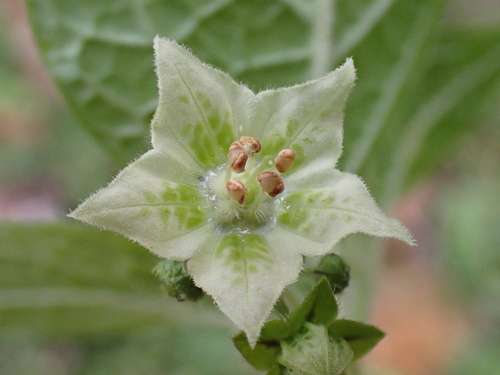
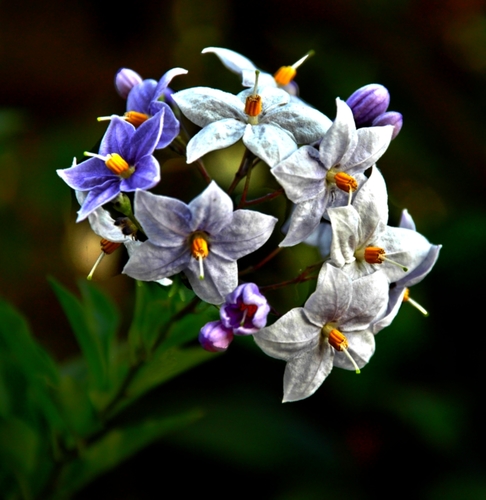
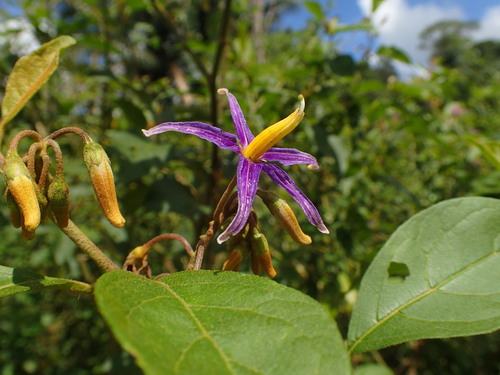
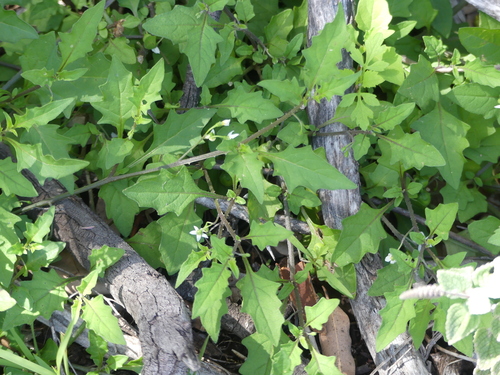
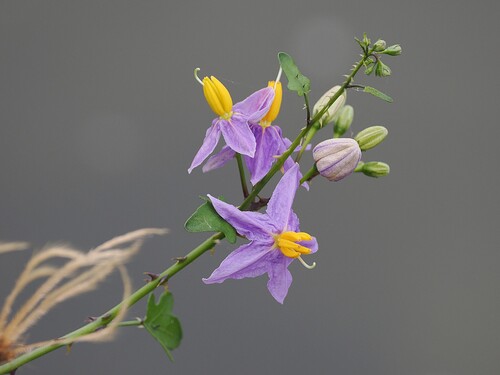
Solanum trilobatum L. is a delicate tropical perennial plant that is often cultivated in temperate climates. It is a climbing spiny-stemmed shrub with five-lobed leaves. Its corolla holds yellow stamens, and it bears small white or purple flowers. The plant produces small, red berry-like fruit.
Various parts of this plant—including its leaves, roots, and fruits—have long been used in traditional medicine to treat a broad range of ailments. These include respiratory issues such as asthma, bronchitis, and cough; digestive disorders such as indigestion, diarrhoea, and constipation; liver ailments such as hepatitis and jaundice; and skin conditions such as eczema and psoriasis. Traditional preparation methods include brewing leaves and roots into decoctions for internal use, crushing leaves or fruits into pastes for topical application to treat skin conditions, and making infusions from dried leaves.
Beyond traditional medicine, Solanum trilobatum is used for culinary purposes in Indian cuisine, and is also used as a home remedy for common ailments including fever, cold, and cough. The plant has been the subject of many scientific investigations, conducted both to validate its documented traditional medicinal uses and to isolate and identify the active compounds that produce its therapeutic effects.
Research on Solanum trilobatum includes phytochemical analysis focused on identifying the bioactive phytochemicals present in the plant, which include alkaloids, flavonoids, terpenoids, and saponins. Specific active compounds such as withanolides and solasodine have been isolated and studied for their potential medicinal properties. Pharmacological studies of the plant have found that it has antioxidant properties, which may provide protection against diseases linked to oxidative stress. It also demonstrates anti-inflammatory effects, which may explain its traditional use for conditions like arthritis and respiratory ailments. Researchers have investigated its antimicrobial activity against a range of bacteria and fungi, explored its potential anticancer effects including the ability to inhibit tumor growth and metastasis, and studied its potential hepatoprotective effects that protect the liver from damage caused by toxins or disease.