About Solanum lasiocarpum Dunal
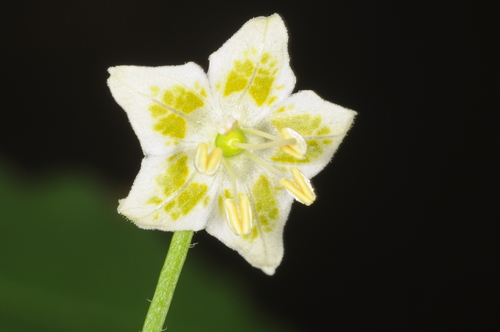
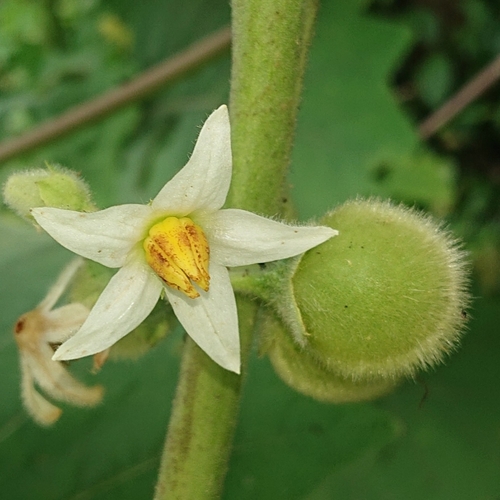
Solanum lasiocarpum, also known as Indian nightshade or hairy-fruited eggplant, is a plant that produces edible fruit. It features white flowers and pale yellow fruits. This species is indigenous to various temperate and tropical regions of Asia, including the Andaman Islands, Sri Lanka, Indochina, southern China, Taiwan, much of Malesia, Papuasia, and Queensland, Australia. In many areas, it is mainly cultivated, with domesticated varieties showcasing larger fruits and smooth skin, unlike the prickly skin of wild plants. The interior of the fruit is light green, resembling Solanum quitoense. In tropical Asia, it is cultivated for culinary uses as flavoring agents, while also serving as traditional medicine for those who are ill. In India, locals incorporate the fruit into sour relishes for curries, whereas in Thailand, it is used to make a special sauce called nam prek. In Tonga, the fruit, referred to as touloku, was used similarly to tomatoes but fell out of favor after tomatoes became more widely used. Botanists find Solanum lasiocarpum intriguing due to its strong resemblance and close relation to several South American species, including cocona (S. sessiliflorum), naranjilla (S. quitoense), and pseudolulo (S. pseudolulo). When cultivated beyond their native habitats, these plants can hybridize, producing sterile offspring, which may offer prospects for enhancing the commercial value of these species globally.